Ethiopia's Industrial Parks Lift 26.5% More Local Jobs
New research shows Ethiopia's bold experiment with industrial parks is working, bringing measurable economic gains and new opportunities for women in communities that host them. The success depends heavily on smart location choices, offering lessons for developing nations worldwide.
Ethiopia is proving that strategic industrial development can transform local economies, one park at a time.
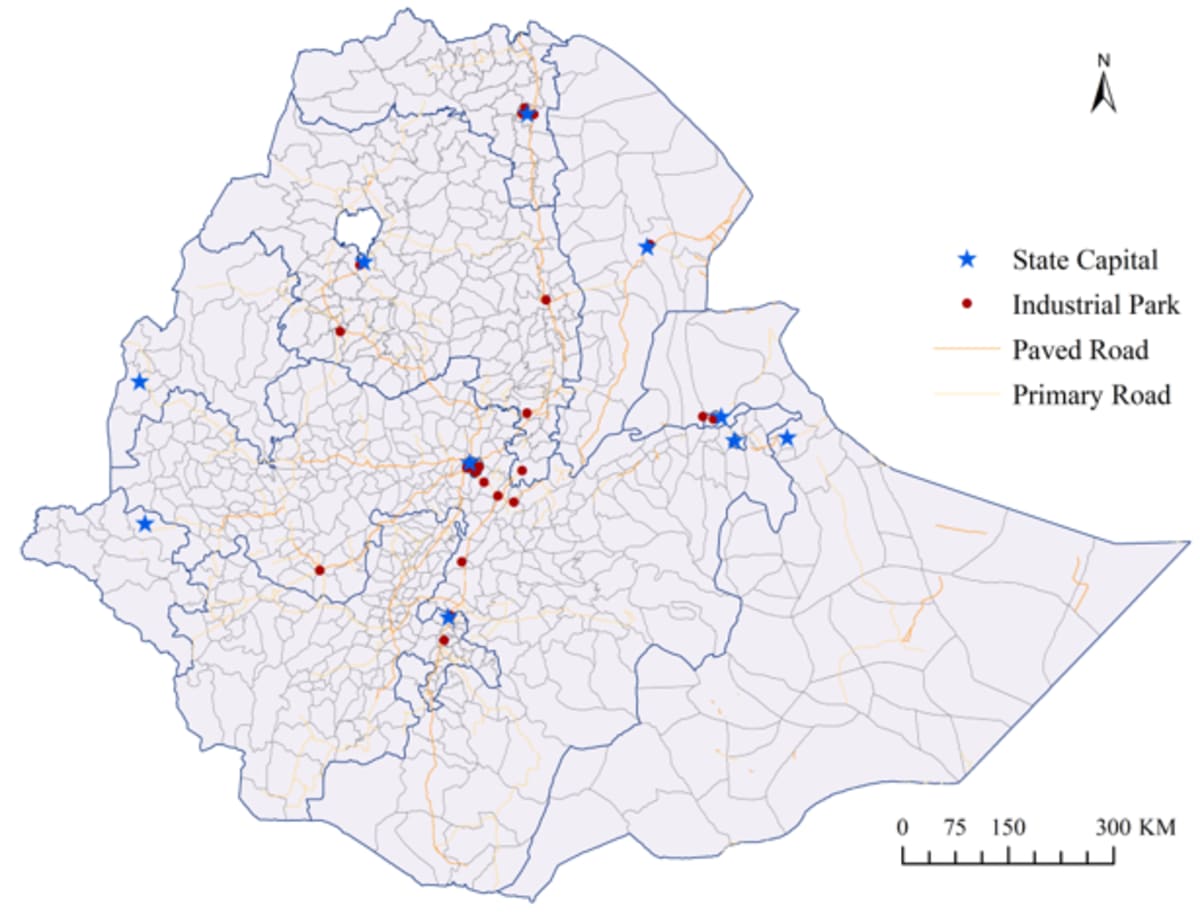
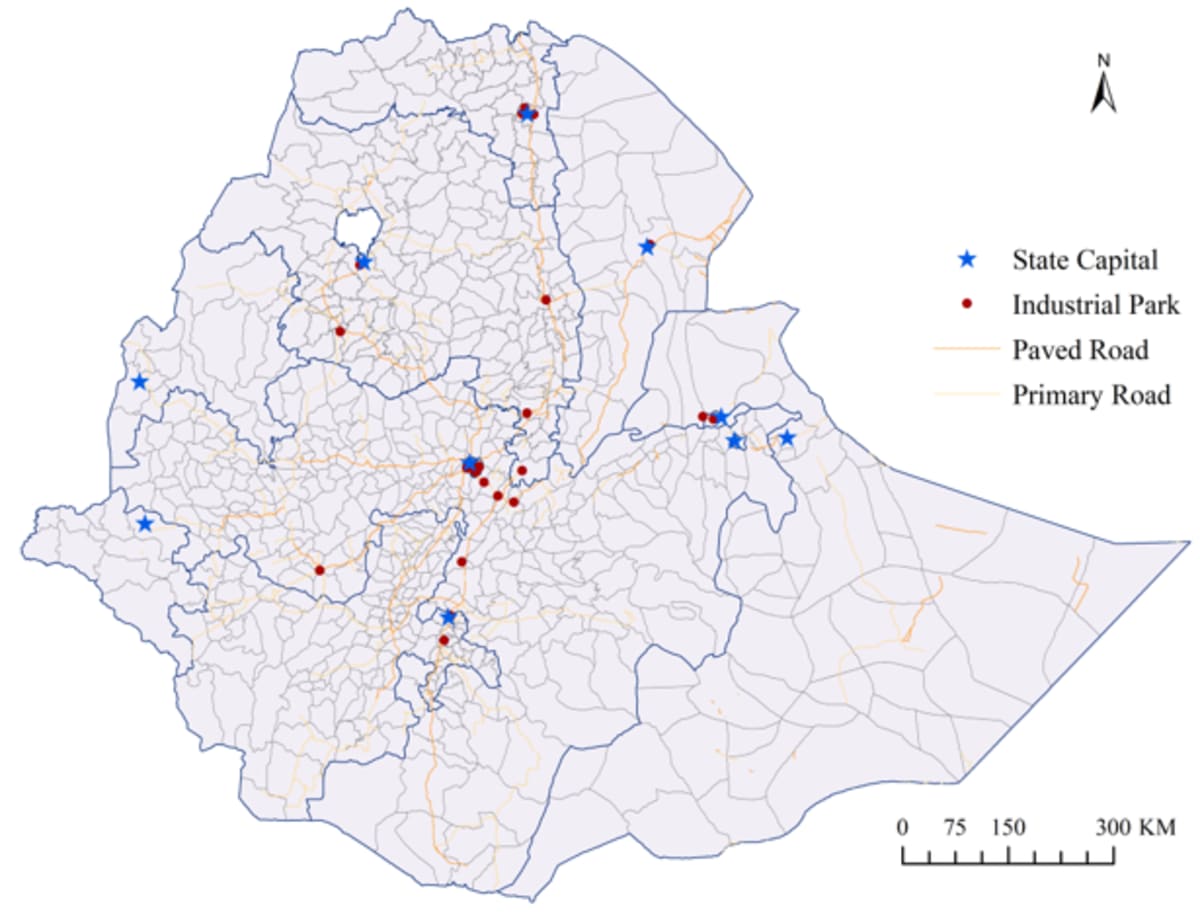
Over the past two decades, Ethiopia has built 22 industrial parks across the country as part of an ambitious plan to lift millions out of poverty through manufacturing jobs. New research from Peking University economists reveals the gamble is paying off: districts that host these parks have seen nighttime lighting increase by 26.5% and significant growth in buildings, roads, and infrastructure.
The parks function like self-contained economic engines, equipped with reliable electricity, paved roads, and streamlined regulations that many low-income countries struggle to provide nationwide. Sixteen are publicly owned, while six are private ventures, together creating concentrated zones where foreign investors can operate competitively.
Women are among the biggest winners. The parks have substantially increased women's empowerment and lifted household living standards in host communities. Most parks specialize in labor-intensive sectors like textiles, apparel, and leather goods, industries that traditionally offer accessible entry points for women entering the formal workforce.
Ethiopia deliberately spread the parks across the country rather than clustering them all near major cities. Some sit near urban centers while others landed in remote southern and western regions, reflecting concerns about political balance and giving more communities a shot at economic growth.
The Ripple Effect
The economic gains don't spread far beyond park boundaries yet, but that's not necessarily bad news. Researchers found no evidence that parks are simply pulling jobs and activity away from neighboring districts. The benefits are genuinely new, not redistributed.
The limited spillover reflects Ethiopia's current stage of development. Firms in the parks rely heavily on imported materials rather than local suppliers, so the parks function more like production enclaves than catalysts for regional upgrading. As Ethiopia's domestic supplier network grows stronger, those connections could deepen.
Location matters enormously for success. The research confirms what development experts have long suspected: putting an industrial park in the right spot, with good transportation links and access to workers, makes all the difference between transformation and disappointment.
The staggered rollout, with parks opening between 2008 and 2021, created a natural experiment. Economists compared districts before and after parks arrived, confirming the gains appeared only once parks started operating, then built steadily as firms moved in and ramped up production.
Ethiopia's experience offers a roadmap for other African nations wrestling with how to industrialize when nationwide infrastructure remains weak. The country has shown that creating pockets of competitiveness, while not perfect, can deliver measurable progress where people live.
For communities hosting these parks, the changes are visible from space and felt on the ground: more lights at night, more pavement, more jobs, and more opportunities for families to build better lives.
More Images


Based on reporting by Regional: ethiopia development (ET)
This story was written by BrightWire based on verified news reports.
Spread the positivity!
Share this good news with someone who needs it