EU and Mexico Sign New Trade Deal Worth €86.8 Billion
The European Union and Mexico just strengthened their 20-year partnership with a revamped trade agreement that opens new markets and reduces dependency on superpowers. The deal brings hope for economic stability as both sides choose cooperation over uncertainty.
After two decades of partnership, the EU and Mexico just locked in a modernized trade deal that strengthens ties between two powers choosing collaboration in uncertain times.
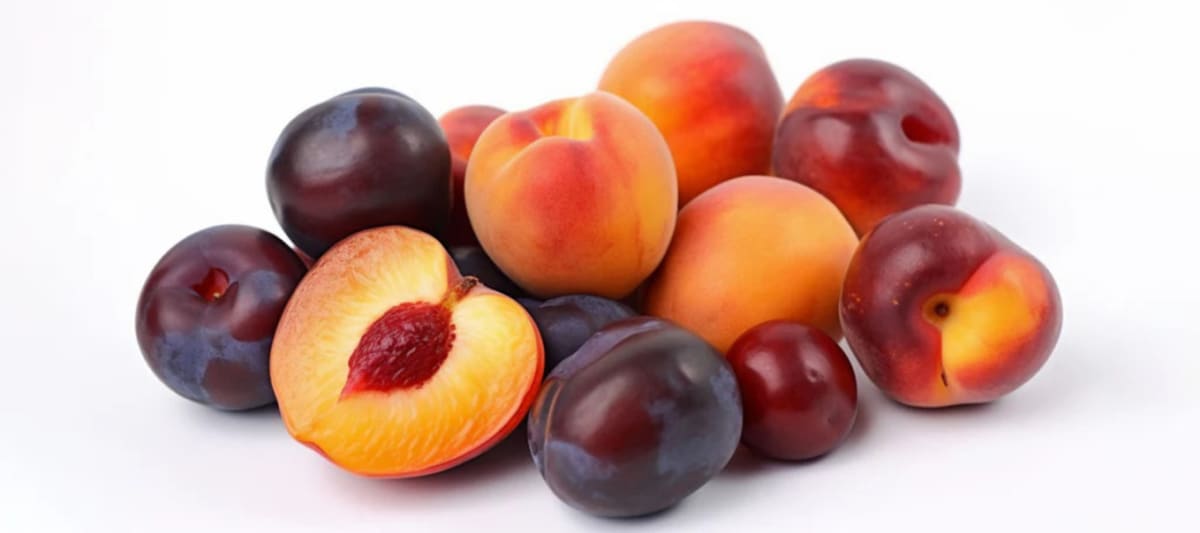
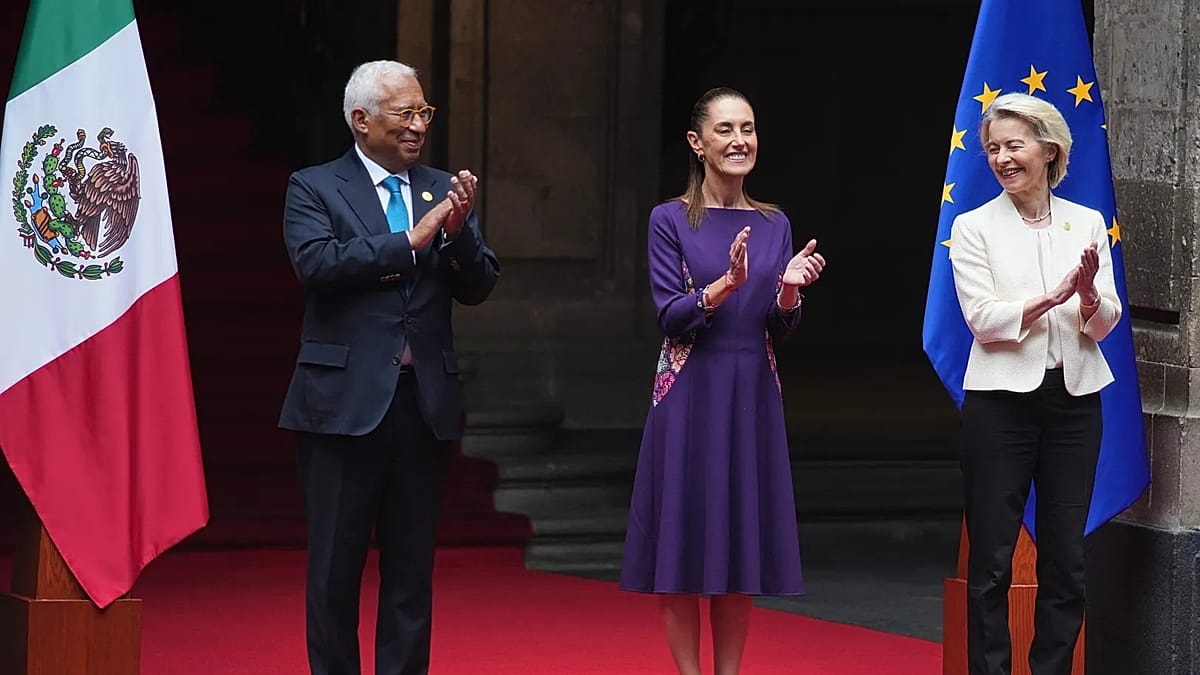
European Commission President Ursula von der Leyen and European Council President António Costa signed the agreement Friday in Mexico City alongside President Claudia Sheinbaum. The updated pact replaces a 20-year-old agreement, expanding market access for European products like pork, dairy, cereals, pharmaceuticals and machinery while opening doors for Mexican coffee, fruit, chocolate and agave syrup.
The timing matters. Both the EU and Mexico are working to reduce their reliance on larger trading partners amid shifting global relationships and protectionist policies from Washington.
Mexico stands as the EU's second-largest trading partner in Latin America, with trade reaching €86.8 billion in goods last year and €29.7 billion in services. While those numbers pale next to Mexico's $900 billion trade with the US, the deal signals a commitment to diversification and stability.
More than 43,000 European companies already export to Mexico, and over 11,000 EU businesses operate there. The new agreement protects 568 European and 26 Mexican geographical indications, safeguarding the unique products each region produces.
"At a time of growing global uncertainty, the EU and Mexico are choosing openness, partnership and ambition," said EU Trade Commissioner Maroš Šefčovič. That choice reflects a broader strategy as the EU builds a dense network of trade relationships across Latin America.
The Ripple Effect
This deal completes an impressive web of cooperation. With trade agreements now covering Argentina, Brazil, Paraguay, Uruguay and Mexico, the EU has connected with 97% of Latin America and the Caribbean's GDP through preferential agreements.
For European farmers worried about the recent Mercosur backlash, Brussels designed this agreement differently. Sensitive agricultural imports remain protected through tariff quotas, addressing concerns about unfair competition while still opening new markets for both sides.
The partnership shows what's possible when medium-sized powers work together, building bridges instead of walls and choosing shared prosperity over isolation.
Based on reporting by Euronews
This story was written by BrightWire based on verified news reports.
Spread the positivity!
Share this good news with someone who needs it