EU Envoy: Congo Success Means Less Foreign Aid Needed
The European Union's top diplomat in the Democratic Republic of Congo has a radical vision of success: a day when his own job becomes unnecessary. Fabrice Basile says real progress means Congo managing its own vast resources and helping its own people without massive foreign support.
The Democratic Republic of Congo sits on some of the world's most valuable resources, from cobalt and lithium that power our phones to rainforests that help regulate our climate. Now the EU's lead envoy says the ultimate measure of success won't be how much aid flows in, but when Congo no longer needs it.
Fabrice Basile, the EU's top representative in Kinshasa, shared this hopeful vision in a recent interview. He's working on programs to help Congo manage its mineral wealth more transparently and process materials locally instead of shipping raw resources overseas.
The challenges are real. Armed conflict still plagues parts of the country, governance systems need strengthening, and local communities haven't always benefited from the riches beneath their feet. But Basile sees reasons for optimism.
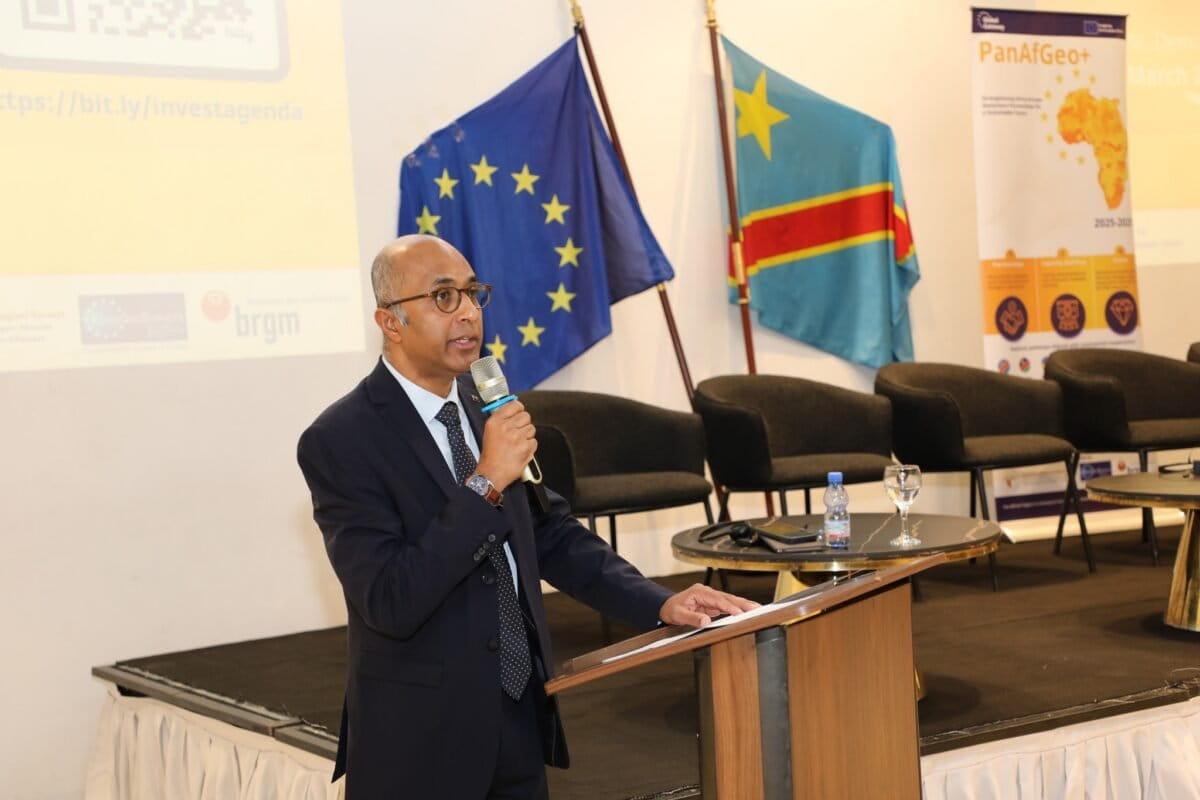
The EU is investing about $14 million through the PanAfGeo+ program to help digitize Congo's geological data. This means better tracking of where minerals come from and where the money goes. The goal is transparency that ensures profits flow back to Congolese people.
Beyond minerals, the EU is supporting five major conservation zones across Congo. These programs focus on protecting biodiversity while creating jobs and economic opportunities for local communities. The idea is giving people alternatives to joining armed groups or activities that harm the forest.
Why This Inspires
What makes Basile's approach different is his long view. Instead of measuring success by how many projects the EU launches or how much money it invests, he's looking toward a future where Congo stands on its own. It's the diplomatic equivalent of teaching someone to fish rather than giving them seafood forever.
He points to places like Virunga National Park, where conservation efforts have created local economic models that work. These aren't perfect solutions, but they show what's possible when programs adapt to local realities instead of imposing one-size-fits-all approaches.
The vision extends beyond just resource management. Basile talks about supporting reforms that give Indigenous and local communities a real voice in decisions affecting their lands. It's about building systems that last long after foreign delegations pack up and leave.
Congo's potential has always been enormous, but realizing it requires patient partnership focused on building local capacity. When a foreign envoy dreams of the day his position becomes obsolete, that's a different kind of development story worth celebrating.
More Images


Based on reporting by Mongabay
This story was written by BrightWire based on verified news reports.
Spread the positivity!
Share this good news with someone who needs it