EU Hits 46% Renewable Electricity in Early 2026
Nearly half of all electricity flowing through European Union homes and businesses came from renewable sources in the first quarter of 2026. The milestone marks a dramatic acceleration in the continent's clean energy transition.
The European Union just crossed a threshold that seemed impossible a decade ago: nearly half its electricity now comes from wind, solar, and other renewable sources.
New data from Eurostat shows that 46% of the EU's electricity came from renewables in the first quarter of 2026. That's a remarkable jump from where the continent stood just years earlier, when fossil fuels still dominated the grid.
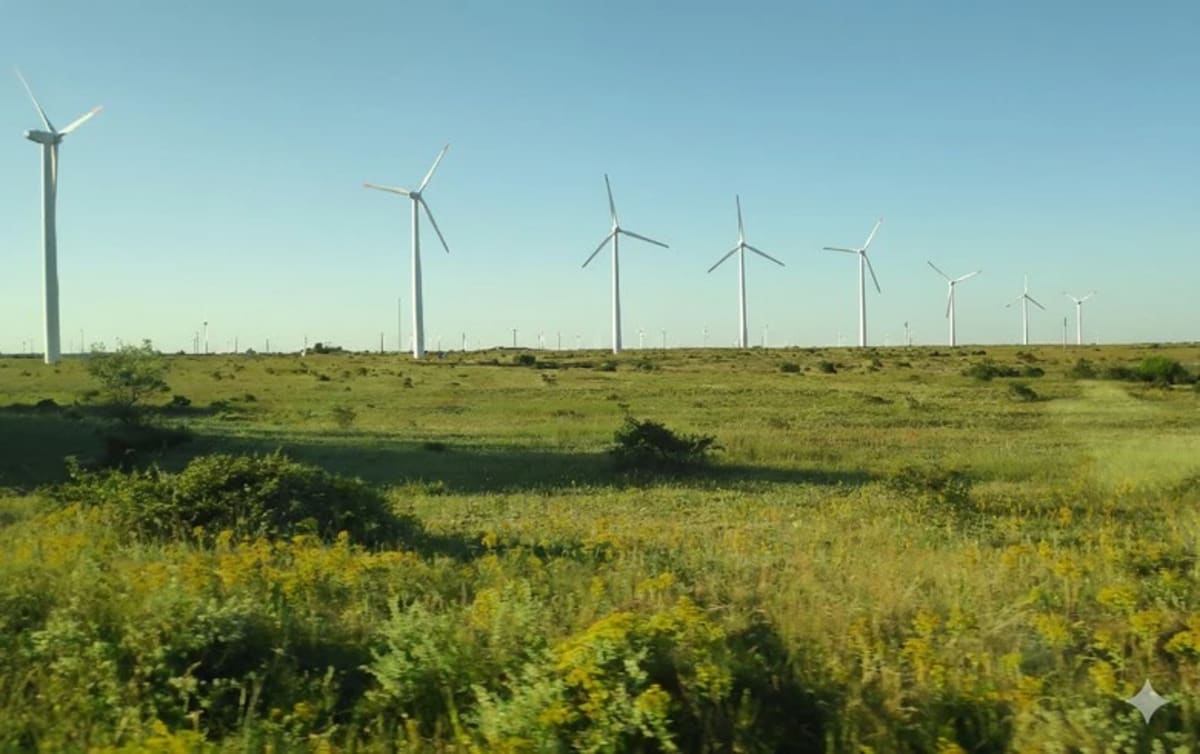
The shift represents millions of solar panels installed on rooftops, wind turbines spinning across coastlines, and hydroelectric plants harnessing river power. Every light switch flipped in Brussels, every phone charged in Stockholm, and every factory running in Berlin now has nearly a 50-50 chance of being powered by clean energy.
The momentum isn't slowing down either. Overall renewable energy use across all sectors reached 26% of total EU energy consumption, and both renewable energy and natural gas supply increased throughout 2025.
This transition touches every corner of daily life. The electricity charging electric vehicles, powering hospitals, and keeping food fresh in grocery stores increasingly comes from sources that don't pump carbon into the atmosphere.
The Ripple Effect
The EU's renewable surge creates ripples far beyond its borders. As Europe proves that major economies can run on clean energy without sacrificing reliability, it builds confidence for other regions considering similar transitions.
The infrastructure being built today also drives down costs globally. Every solar panel manufactured at scale, every wind turbine engineering improvement, and every grid storage solution developed makes renewable energy more affordable for countries everywhere.
Perhaps most importantly, the shift creates new jobs across the continent. Technicians install solar arrays, engineers design wind farms, and workers manufacture the components that make the energy transition possible.
Young Europeans entering the workforce now can build careers in industries that didn't exist when their parents graduated. The renewable energy sector offers both economic opportunity and the satisfaction of contributing to climate solutions.
The path to 46% wasn't simple, requiring years of policy coordination, infrastructure investment, and public support, but Europe's achievement shows what focused commitment can accomplish.
Based on reporting by Regional: sweden renewable energy (SE)
This story was written by BrightWire based on verified news reports.
Spread the positivity!
Share this good news with someone who needs it