EU Pledges $232M to Greenland for Energy and Minerals
The European Union is investing $232 million in Greenland to strengthen ties with the Arctic territory, focusing on clean energy and critical minerals. The partnership arrives as Greenland's strategic importance grows amid melting ice and global competition for resources.
The European Union just made a major investment in Greenland's future, and it signals a new chapter for the Arctic island of 57,000 people.
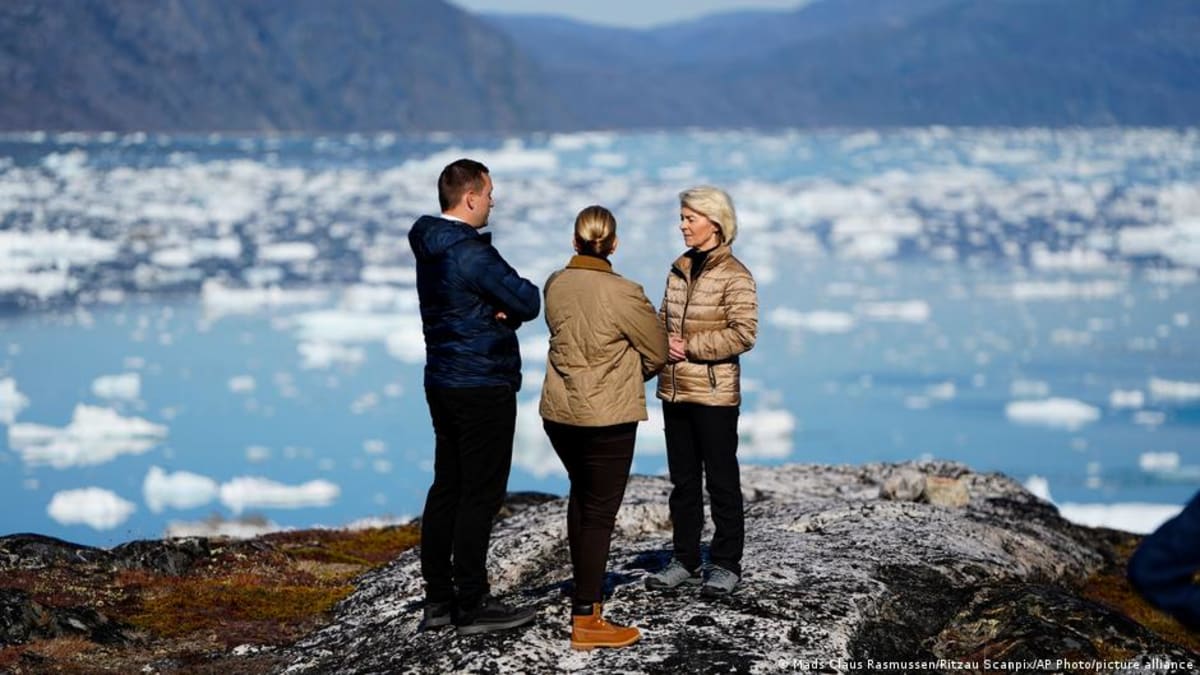
European Commission President Ursula von der Leyen announced a $232 million partnership package during her visit to Nuuk, Greenland's capital. The investment will flow into three key areas: connecting Greenland to global networks, developing clean energy projects, and responsibly mining critical minerals needed for green technology.
"Greenland's future is for the people of Greenland and Denmark to decide, no one else," von der Leyen said at a joint press conference with Danish Prime Minister Mette Frederiksen and Greenlandic Prime Minister Jens-Frederik Nielsen. The statement reinforced the EU's support for Greenland's territorial integrity and sovereignty.
The timing matters. As Arctic ice melts, new shipping routes are opening and access to valuable mineral deposits is increasing. These changes have drawn attention from the United States, Russia, China, and Europe, all seeking strategic advantages in the region.
Greenland's Prime Minister Nielsen welcomed the investment as a chance to deepen the territory's "close friendship and good partnership" with the EU. The largely autonomous territory left the EU in 1985 but maintains close ties, with its residents holding EU citizenship through Denmark.
The Ripple Effect
This partnership represents more than money flowing into Greenland. It's a model for how larger powers can support smaller territories without threatening their independence.
The investment in renewable energy and critical minerals could help Greenland develop its economy sustainably while meeting global demand for materials needed in smartphones, electric vehicles, and wind turbines. Better satellite communications will connect remote communities to education, healthcare, and economic opportunities.
The approach stands in contrast to demands for control. Instead, it offers collaboration that respects Greenland's right to chart its own course while benefiting from international partnerships.
For a territory of fewer than 60,000 people spread across the world's largest island, having partners who respect their autonomy while investing in their potential creates new possibilities for sustainable development and self-determination.
The Arctic is changing rapidly, and Greenland now has a partnership that puts its people first.
Based on reporting by DW News
This story was written by BrightWire based on verified news reports.
Spread the positivity!
Share this good news with someone who needs it