EU Solar Powers 25% of Grid, Saves €30B in Gas Costs
Solar panels generated a record 25% of Europe's electricity in June while saving the continent €30 billion in gas imports during a six-month period. The EU added 33.8 gigawatts of new solar capacity in early 2026, beating predictions of market decline.
Europe just proved solar power isn't just about saving the planet anymore. It's saving billions while keeping the lights on.
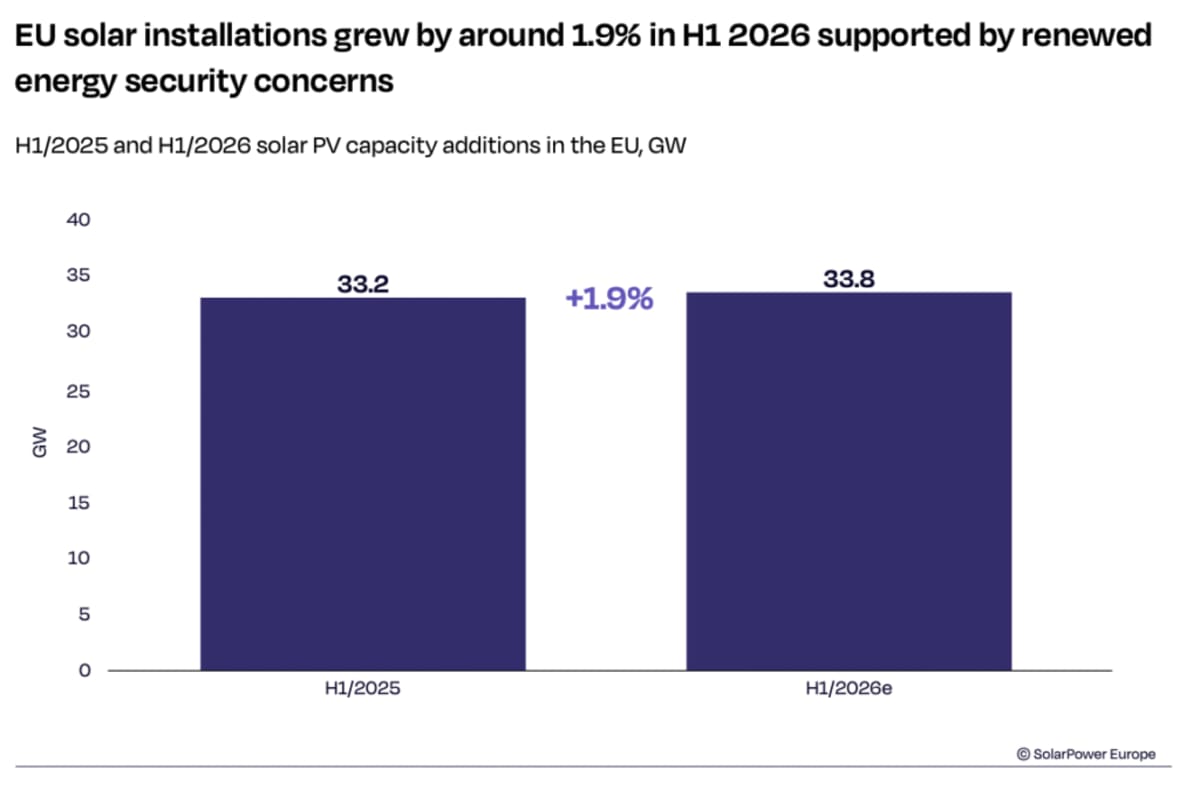
The European Union installed 33.8 gigawatts of new solar capacity in the first half of 2026, a modest 1.9% increase from last year. While that growth sounds small, it defied forecasts that predicted the solar market would actually shrink this year.
The real story emerged when the sun started doing heavy lifting across the continent. Solar panels met over 20% of EU electricity demand throughout May, June, and July. In June, that number hit a stunning 25%, making solar the top electricity source across all 27 member states for the first time.
This solar surge came at exactly the right moment. Energy security concerns from Middle East conflicts pushed gas prices higher, making the economic case for solar stronger than ever. Between March and August, solar generation helped Europe avoid roughly €30 billion in gas import costs, saving more than €1 billion every single week.
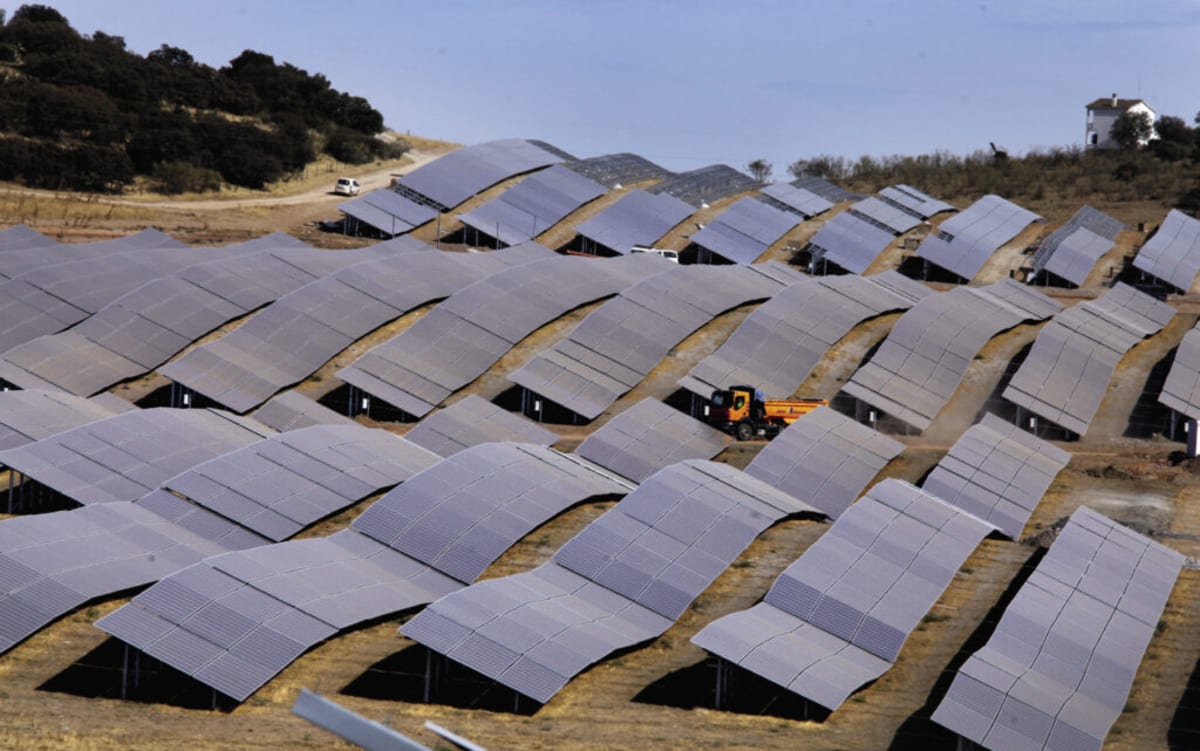
Germany and Spain led the charge with consistently high installation rates, while Finland and Latvia saw rapid expansion thanks to major new solar farms. France, Italy, Poland, Romania, and Greece all posted year-over-year growth.
The timing couldn't have been better for another reason. Summer heatwaves drove up demand for cooling just as high river temperatures and low water levels limited nuclear and hydroelectric power. Solar stepped in to fill the gap.
The Ripple Effect
This shift is fundamentally changing how Europe thinks about energy security. Solar power started as a climate solution, but it's becoming an insurance policy against volatile fossil fuel markets. Every panel installed reduces dependence on imported gas and oil.
The benefits extend beyond just keeping costs down. Utility-scale projects account for 56% of new installations, while commercial and industrial rooftop systems show strong growth. This means both big solar farms and business rooftops are contributing to energy independence.
The momentum is building for the rest of 2026. Industry analysts now project 68.1 gigawatts of total new solar capacity this year, well above December predictions and nearly matching 2025's record of 69.6 gigawatts.
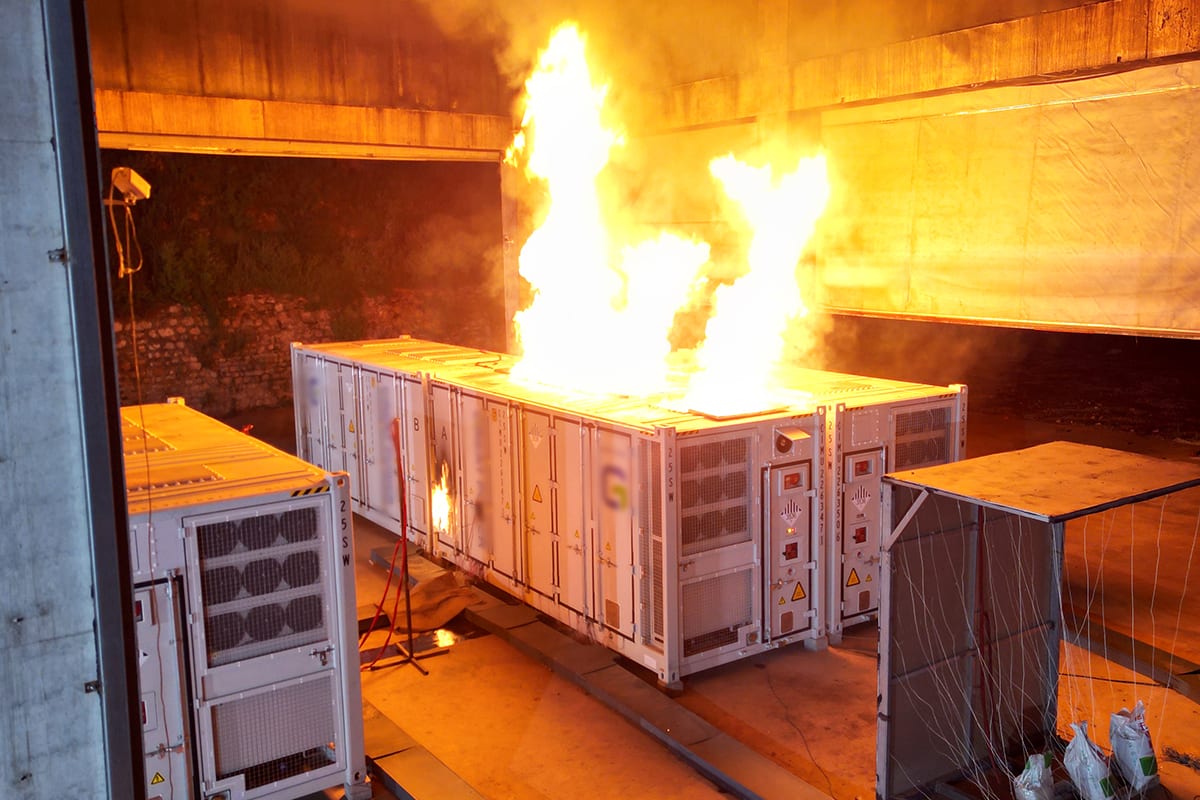
Challenges remain, particularly around grid infrastructure struggling to keep pace with solar expansion. Some regions are seeing renewable energy curtailment during peak sun hours because the grid can't handle all that clean power. Europe needs faster rollout of storage and flexible grid technologies to capture every ray.
Still, the transformation is undeniable. What started as an environmental initiative is now proving itself as practical economics and strategic security, one sunny day at a time.
More Images


Based on reporting by PV Magazine
This story was written by BrightWire based on verified news reports.
Spread the positivity!
Share this good news with someone who needs it