Europe Can Power 614 GW of Solar Within Current Grid Limits
New research shows Europe could absorb 614 gigawatts of solar power without a single hour of overproduction, proving renewables can work within today's infrastructure. Even better, that's just the baseline before adding batteries or flexible demand.
Europe has far more room for solar power than anyone thought, and the findings prove clean energy skeptics wrong on a fundamental level.
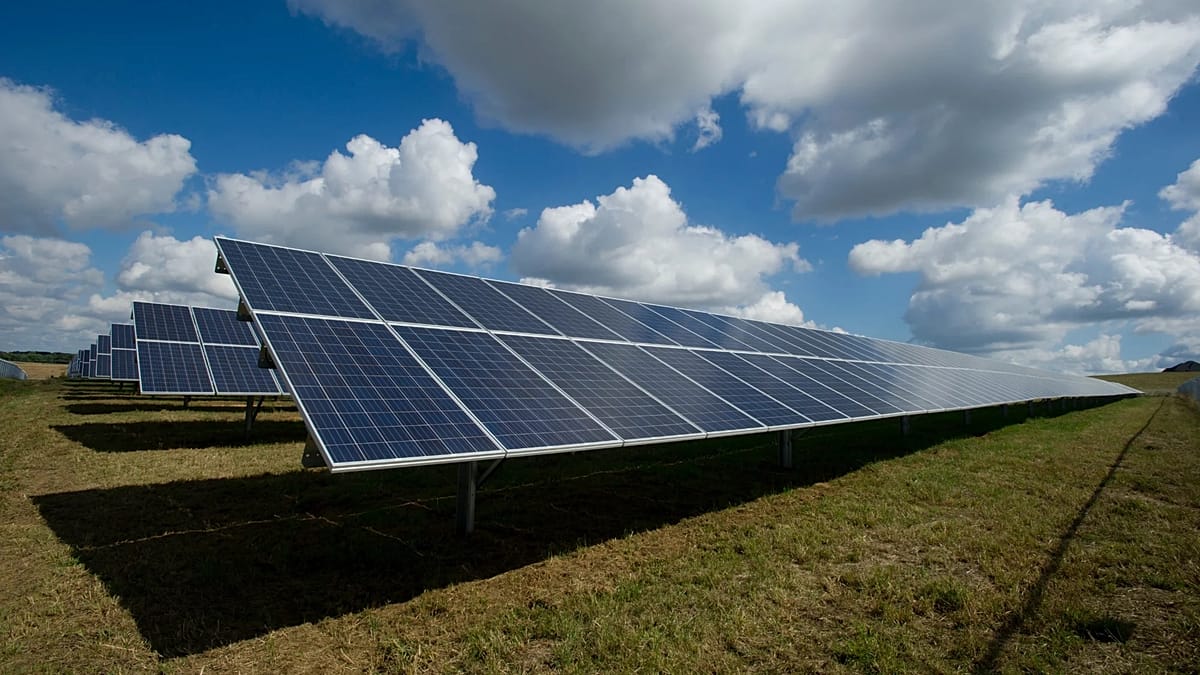
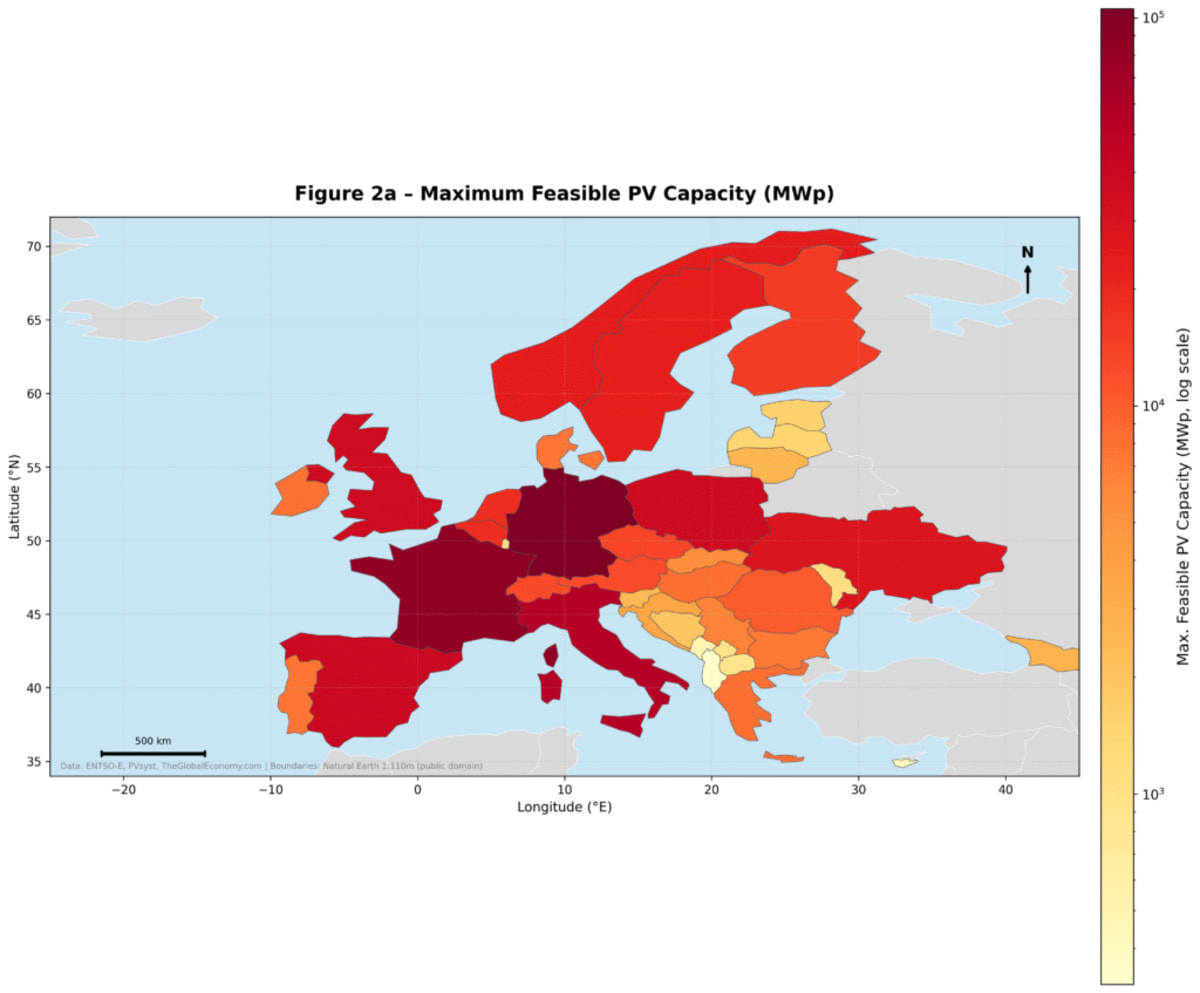
A groundbreaking study published in the journal Land reveals that 38 European countries could deploy 614 gigawatts of solar panels, generating 678 terawatt-hours of electricity annually, without ever producing more power than people need in any single hour. That's enough capacity to replace hundreds of coal plants while keeping the lights on reliably.
Hassan Gholami, a senior consultant at Norway's Multiconsult and researcher at the University of Stavanger, took a different approach than previous studies. Instead of relying on annual averages that miss crucial details, he matched solar generation to electricity demand hour by hour throughout the entire year.
"The real ceiling on solar is not how much sunlight or land a country has, but how well solar generation lines up with electricity demand," Gholami explained. His analysis used actual hourly consumption data from Europe's power grid transparency platform, making the findings remarkably practical.
Germany leads the pack with capacity for 106 gigawatts of solar, followed by France at 85 gigawatts, Italy at 54 gigawatts, and Spain at 39 gigawatts. These six countries alone account for more than half of Europe's solar potential.
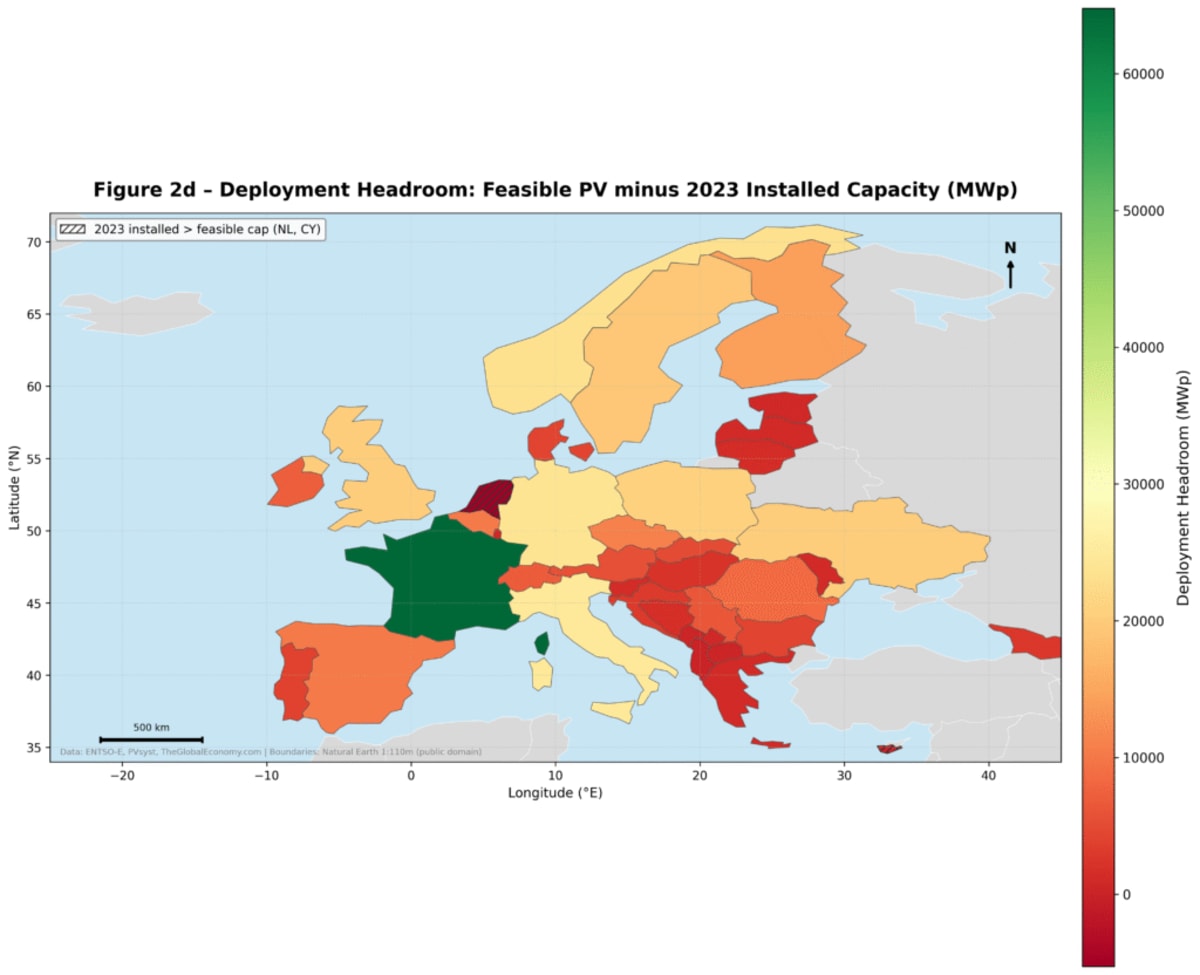
Only two countries have already maxed out their current solar capacity: the Netherlands and Cyprus. For them, adding more panels will require battery storage or shifting electricity demand to sunnier hours.
Why This Inspires
Here's the truly exciting part: these numbers represent a conservative floor, not a ceiling. The 614 gigawatt figure assumes no energy storage, no smart appliances shifting demand to match generation, no electric vehicles charging when the sun shines, and no exports to neighboring countries.
Add those proven technologies into the mix, and Europe's solar potential jumps dramatically higher. We already have the tools to go further.
Southern Europe shows the strongest potential, with Spain and Georgia capable of meeting 27% of their total electricity needs from solar alone. Portugal and Italy follow at 25%. Even northern countries with less sunshine have substantial room to grow.
The research also highlights where investments would deliver the biggest impact. Smaller Eastern European countries like Serbia, Bosnia, Moldova, and Georgia have massive headroom for solar deployment. Their main barriers aren't technical but financial and regulatory.
Gholami points to clear next steps: modernize grids, strengthen cross-border connections, incentivize energy storage, and electrify heating and transport. Each of these measures would let Europe absorb even more clean energy while making power more affordable and reliable.
The study gives policymakers something they desperately need: realistic, country-by-country targets based on hard data rather than wishful thinking. It shows exactly where solar deployment makes sense today and where grid upgrades would unlock the most value.
The path to abundant clean energy isn't blocked by physics or technology anymore; it's just waiting for smart planning and investment.
More Images

Based on reporting by PV Magazine
This story was written by BrightWire based on verified news reports.
Spread the positivity!
Share this good news with someone who needs it