Europe Completes 4-Satellite Radar Fleet Watching Earth
Europe just activated its fourth Earth-watching satellite, completing a powerful constellation that monitors our planet 24/7, rain or shine. The system helps track disasters, climate changes, and natural threats with unprecedented consistency.
Europe's eyes in the sky just got sharper. The final satellite in the Sentinel-1 constellation is now fully operational, giving scientists and emergency responders an unprecedented view of Earth's changing surface.
The European Space Agency completed its four-satellite radar network when Sentinel-1D finished testing and entered full service this month. This milestone caps a journey that started in 2014 when the first Sentinel satellite launched, kickstarting Europe's ambitious Copernicus Earth observation program.
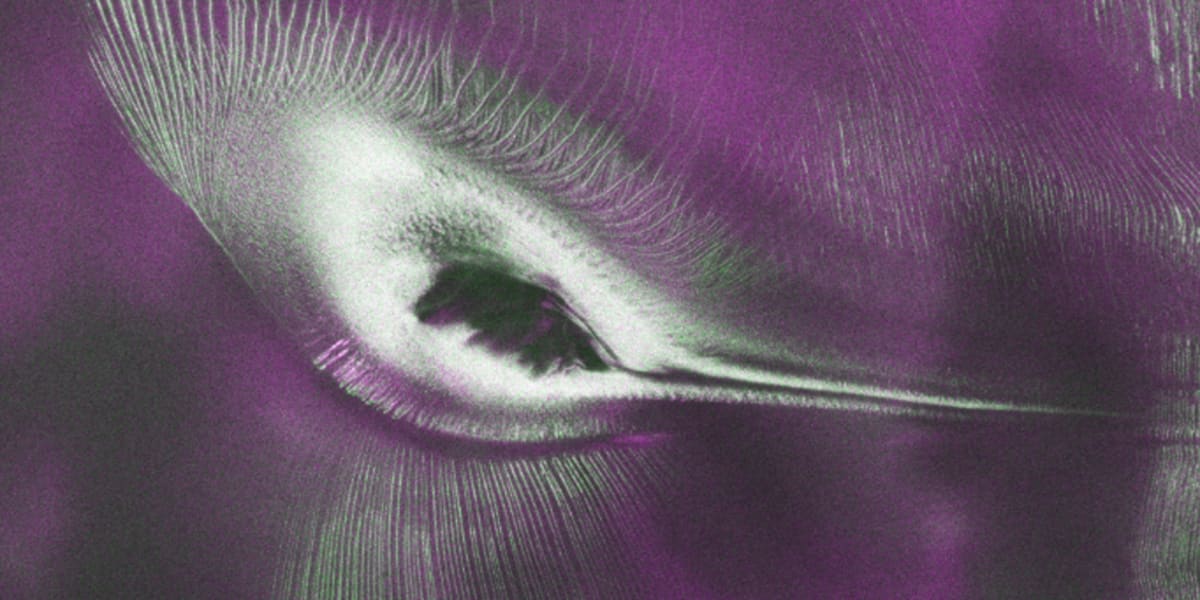
Unlike regular cameras, these satellites use radar to see through clouds, darkness, and bad weather. They capture detailed images of Earth's surface around the clock, providing critical data that conventional satellites simply can't deliver.
The path to four satellites had its setbacks. The original plan called for just two satellites orbiting opposite each other. When Sentinel-1B failed in 2022 after six years of service, Europe didn't just replace it. They doubled down, building a four-satellite fleet that offers even better coverage.
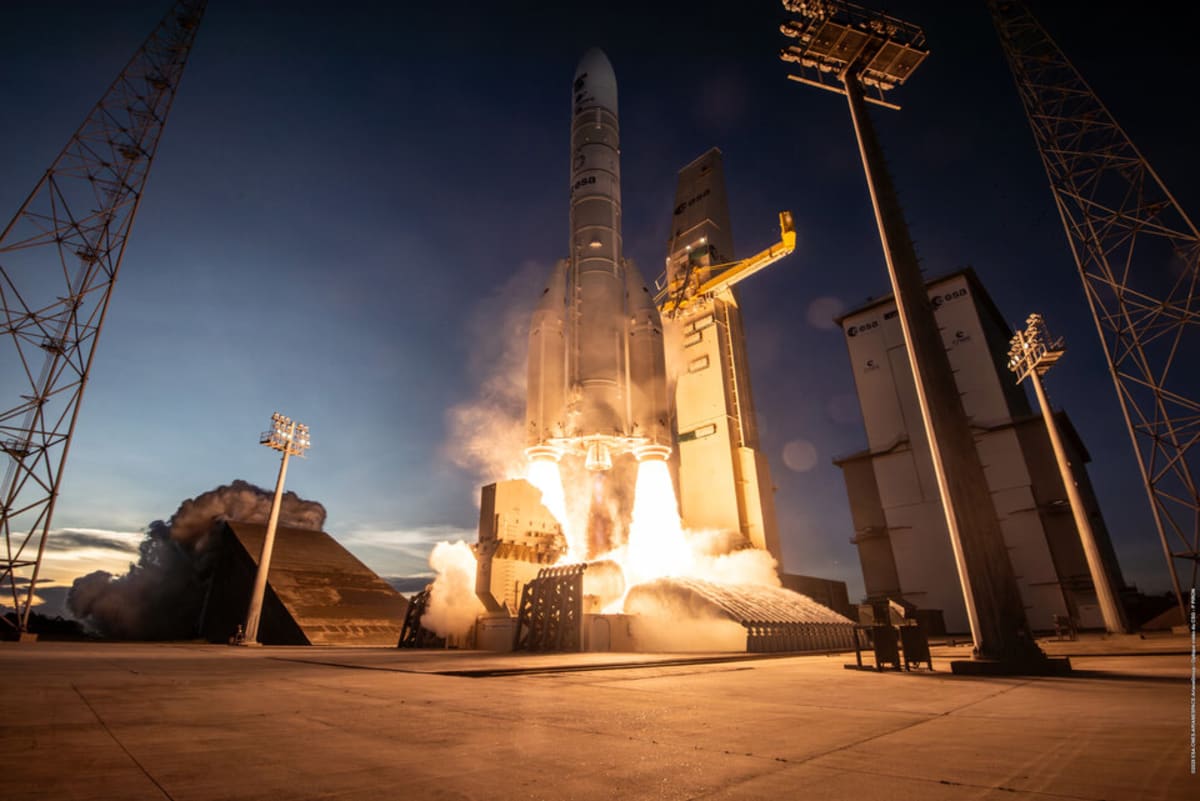
Sentinel-1C launched in 2024 to restore the two-satellite setup. Sentinel-1D rode into orbit on an Ariane 6 rocket a year later, completing the expanded constellation.
The Ripple Effect
The real power of this system lies in what it enables. Emergency responders use the data to track floods in real time. Climate scientists monitor melting ice sheets and deforestation. Researchers study how earthquakes shift the ground, sometimes detecting changes as small as a few millimeters.
The satellites track disasters as they unfold, giving people on the ground the information they need to save lives and protect communities. From monitoring volcanic activity to mapping oil spills at sea, the constellation provides eyes where human observers can't reach.
Perhaps the most valuable contribution is consistency. The Sentinel-1 series is on track to deliver 20 uninterrupted years of radar observations by the mid-2030s. No other Earth observation program has achieved that kind of continuity.
That unbroken record lets scientists spot gradual changes that shorter studies would miss. It's the difference between a snapshot and a time-lapse video of our changing planet.
The newest satellites even include improved separation mechanisms designed to reduce space debris, reflecting Europe's commitment to keeping orbit clean for future missions. Europe is already developing next-generation Sentinel satellites to maintain this critical data stream into the 2030s and beyond, ensuring this watchful eye on Earth never blinks.
More Images

Based on reporting by Google News - Science
This story was written by BrightWire based on verified news reports.
Spread the positivity!
Share this good news with someone who needs it