Europe Cuts Light Pollution By 4% Since 2014
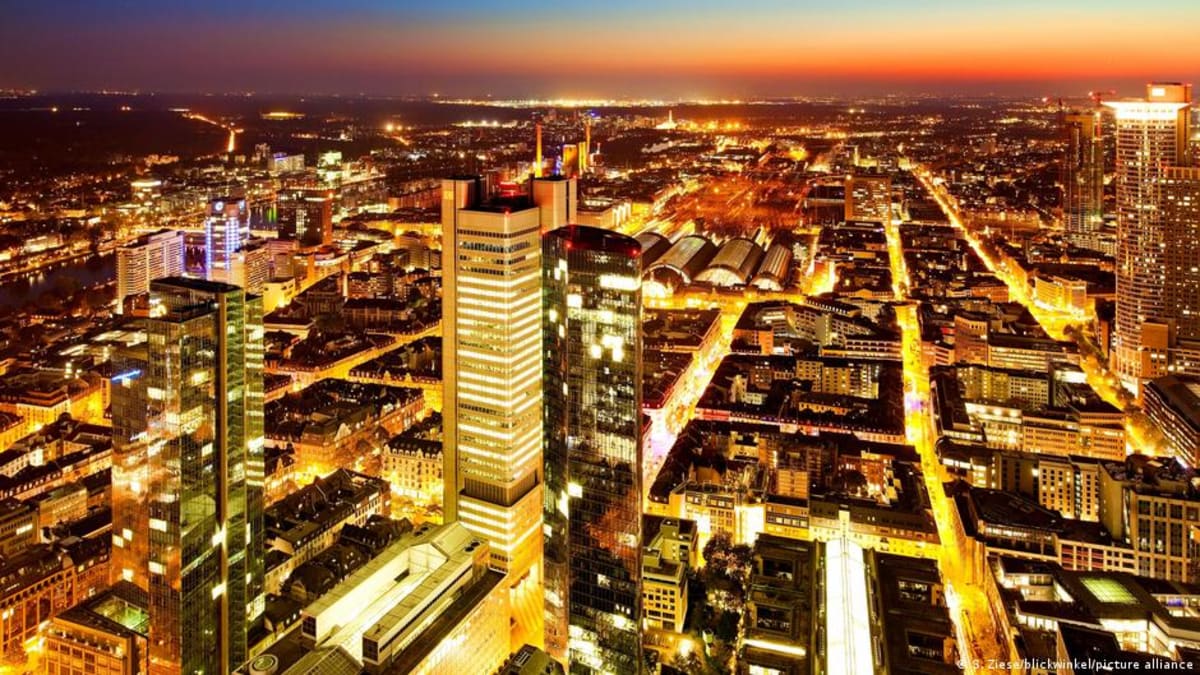
Cities across Europe are winning the fight against light pollution, with France, the UK, and Netherlands leading a continent-wide effort to bring back the night sky. New research shows meaningful progress in restoring darkness for both people and wildlife. ##
Good news is shining through from an unexpected place: the darkness. After decades of increasing artificial light threatening our health and wildlife, Europe has successfully reduced light pollution by 4% since 2014.
France led the charge with an impressive 33% reduction in nighttime light emissions. The United Kingdom followed with a 22% drop, and the Netherlands achieved a 21% decrease, according to research published in Nature.
This matters for more than stargazing. Excessive artificial light disrupts our sleep cycles, affecting hormones that regulate everything from mood to metabolism. Restoring natural darkness helps reduce risks of diabetes, depression, and obesity linked to constant light exposure.
The benefits extend far beyond human health. More than half of all species are nocturnal, and brighter nights have been devastating for wildlife. Migratory birds use stars to navigate, but artificial lights divert them from their routes, leading to exhaustion. Billions of insects die each year circling streetlights when they should be finding food and mates.
Cities are finding smart solutions that protect both safety and the night sky. Energy-efficient lighting with better directional control means streets stay safe while reducing unnecessary glow into homes and habitats. Strategic placement and timing of lights preserves darkness where it matters most.
The progress stands in sharp contrast to other regions. Asia saw the highest increases in light pollution, particularly in fast-growing areas of China and India. California's expanding cities contributed to increased brightness on the US West Coast.
The Ripple Effect
Europe's success shows that economic growth doesn't require sacrificing the night. These cities proved you can modernize infrastructure while restoring natural rhythms that all life depends on.
For nocturnal mammals like hedgehogs and bats, darker skies mean more habitat. For fish species that won't cross light barriers during spawning migrations, reduced illumination opens critical pathways. Each percentage point of reduced light pollution helps ecosystems recover.
The shift also reconnects people with something humans enjoyed for millennia: a clear view of stars. Most people today must travel far from cities to see the Milky Way, but thoughtful lighting policies are bringing back that perspective right where we live.
Other regions are taking notice of Europe's approach. As cities worldwide balance safety needs with environmental health, these success stories provide a roadmap for progress.
Europe's darker nights prove we can restore what seemed permanently lost.
##
More Images

Based on reporting by DW News
This story was written by BrightWire based on verified news reports.
Spread the positivity!
Share this good news with someone who needs it