Europe Tests Moss Banks to Clean Roadside Air Pollution
European cities are replacing roadside grass with moss that naturally absorbs traffic pollution and slows stormwater runoff. The low-maintenance plants could transform thousands of kilometers of highways into pollution-fighting green corridors.
Imagine if the grass alongside every highway could actually clean the air you breathe. That's exactly what European countries are testing with a surprisingly simple swap: moss.
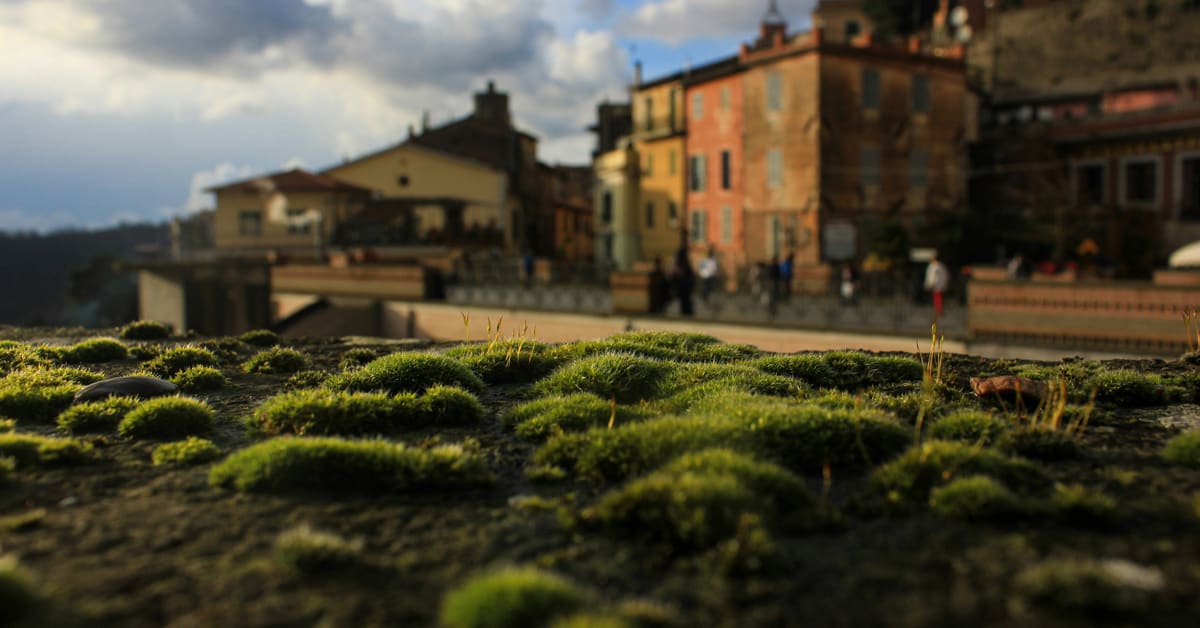
Instead of the usual grass banks lining busy motorways, cities across Europe are experimenting with moss plantings that naturally absorb pollution from passing traffic. Unlike grass, these ancient plants pull nutrients and pollutants directly from the air rather than soil.
The timing couldn't be better. Scientists have used moss as a living pollution detector for decades because it accumulates heavy metals and traffic emissions like nitrogen compounds and particulate matter. When exposed to highly polluted air, moss even changes color from fresh green to brownish, offering a visible warning sign.
The European Moss Survey already tracks air pollution across dozens of countries using moss samples. Now researchers are asking: what if we intentionally plant moss beside our busiest roads to trap pollution before it spreads into nearby communities?
The benefits extend beyond cleaner air. Moss acts like a natural sponge, absorbing several times its own weight in water and releasing it slowly. On roadside slopes, this could help prevent flash flooding by slowing rainwater runoff during heavy storms, a growing concern as climate change brings more extreme weather.
There's a practical advantage too. Moss grows slowly and stays low to the ground, requiring far less mowing than grass. Across thousands of kilometers of European roads, that translates to significant savings in maintenance costs and labor.
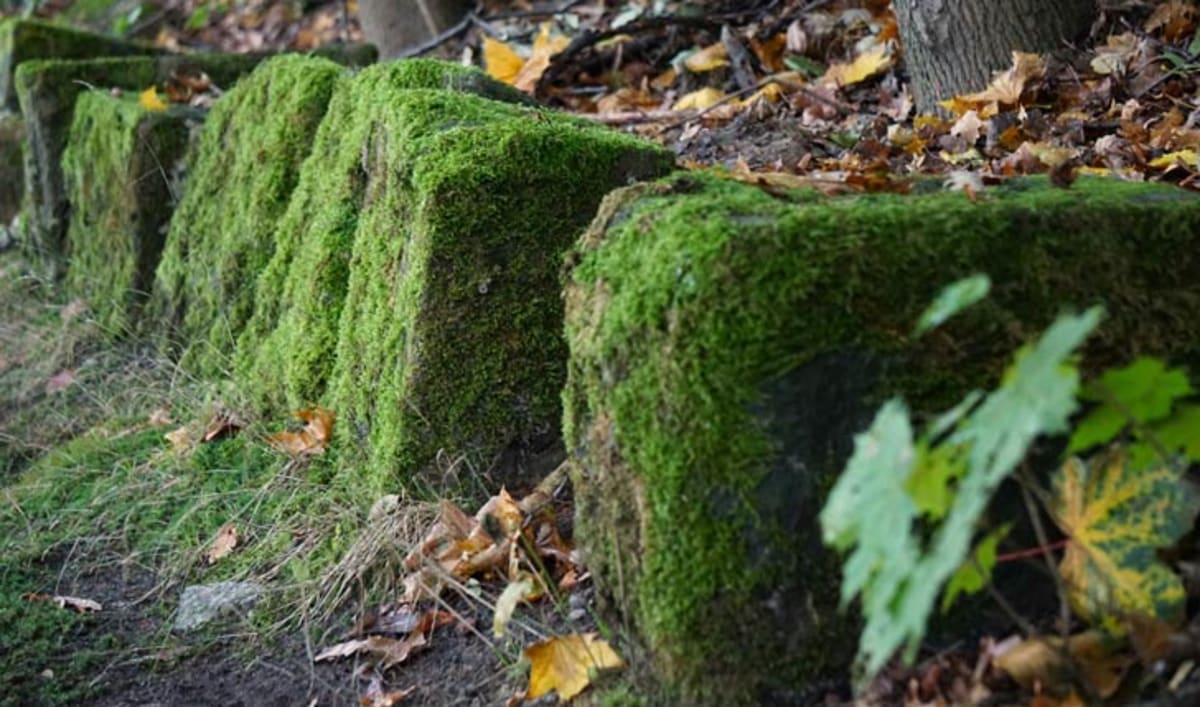
The approach works best in cool, damp climates with frequent rainfall, conditions common across much of the United Kingdom and Northern Europe. Shaded roadside slopes where grass struggles to grow are particularly ideal for moss.
The Ripple Effect
Road networks occupy vast land areas that are usually managed just to look tidy. Reimagining these spaces as pollution-capturing, water-managing ecosystems could create connected habitat corridors stretching across entire countries.
These narrow green strips could help insects and small organisms move between fragmented habitats in landscapes dominated by agriculture and urban development. Moss-covered banks might support microhabitats for invertebrates and microorganisms that thrive in moist, shaded environments.
The approach isn't perfect. Moss takes years to establish fully, and winter road salt can damage many species. Pollutants absorbed by moss remain stored in the plant material, potentially requiring periodic monitoring or removal. And on sunny, dry slopes, traditional vegetation may still work better.
But the concept represents a shift in thinking: roadside land doesn't just need to be maintained, it can actively contribute to solving environmental challenges. Small ecological changes along thousands of kilometers could add up to meaningful progress on pollution, flooding, and climate resilience.
Sometimes the simplest solutions grow right beneath our feet.
More Images


Based on reporting by Good Good Good
This story was written by BrightWire based on verified news reports.
Spread the positivity!
Share this good news with someone who needs it