Europe's Best Second Cities Beat Tourist Crowds
Travelers are ditching packed capitals for Europe's charming "second cities" that offer authentic culture, local food, and historic charm without the endless queues. From Croatia's coastal Split to Ireland's walkable Cork, these hidden gems deliver richer experiences at lower prices.
Fed up with crowded tourist traps and long lines at famous landmarks, travelers across Europe are discovering something better.
Second cities—destinations just outside a country's most popular spots—are winning hearts with their authentic local culture, friendlier prices, and breathing room to actually enjoy your vacation. These aren't runner-up destinations. They're places where you can grab a table at the best restaurant in town, explore neighborhoods locals actually live in, and connect with a country's true character.
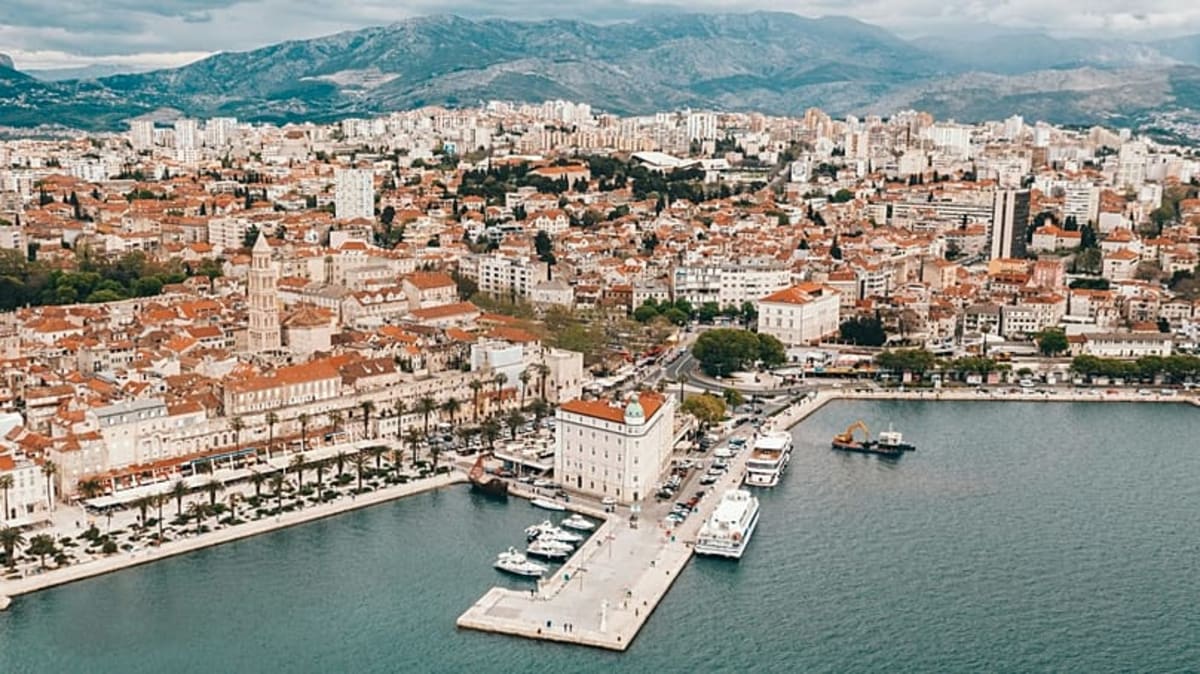
Split, Croatia blends 2,000 years of history with Adriatic coastal living. The ancient Diocletian's Palace sits at the city's heart, with Roman-era alleys leading straight to waterfront cafés and beaches perfect for unwinding after a day of exploring.
Cork, Ireland packs historic markets, riverside parks, and colorful harbor towns into one walkable city center. The Cork English Market has been selling fresh fish, local produce, and handmade treats since 1788, giving visitors a taste of authentic Irish life.
In Graz, Austria, Renaissance courtyards meet futuristic architecture like the Murinsel, a floating island café on the river Mur. A €3.30 ticket on the historic Schloßbergbahn funicular unlocks sweeping views of the Old Town below.
Hamburg, Germany pairs its massive port with vibrant street art across neighborhoods like St. Pauli. The local specialty? Fresh fish sandwiches from catches that morning, a beloved snack you won't find in typical tourist guides.
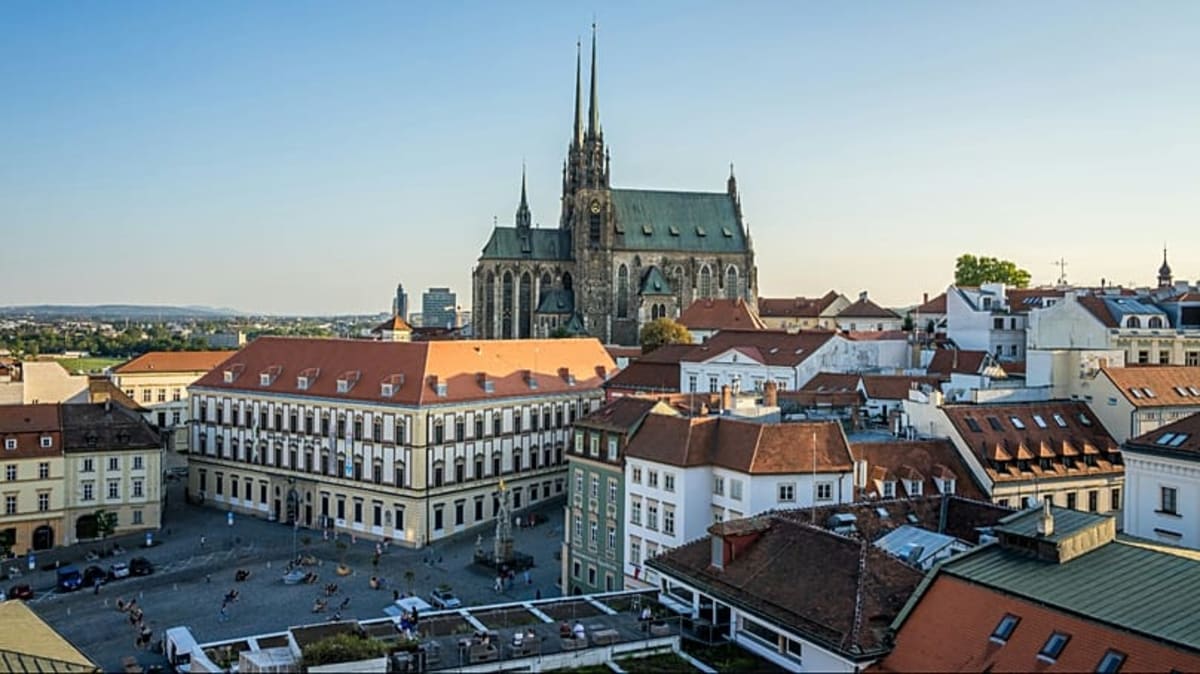
Brno, Czechia offers medieval castles and hidden underground passages that reveal centuries of history. Beneath the streets, explorers can tour the city's labyrinths and historic water tank systems that once served the entire city.
Ypres, Belgium weaves First World War history into cycling routes past preserved trenches and memorials. The Yper Museum celebrates 11 centuries of local heritage through archaeological finds and even offers a playful cat-themed hunt through town.
The Bright Side
These destinations prove you don't need to sacrifice culture or beauty to avoid tourist chaos. Second cities offer something increasingly rare: the chance to travel at a human pace, meet locals who have time to chat, and discover places that feel personally meaningful rather than checked off a list. Your wallet benefits too, with accommodations and meals often costing significantly less than in major capitals.
Travel is getting personal again, one quiet cobblestone street at a time.
More Images
Based on reporting by Euronews
This story was written by BrightWire based on verified news reports.
Spread the positivity!
Share this good news with someone who needs it