Europe's Biggest Battery Test Centre Makes EVs Safer
In a small German town, scientists are setting batteries on fire, crushing them, and blasting them with sandstorms to ensure the energy transition keeps us all safe. Europe's largest battery testing facility is torture-testing tomorrow's technology today so failures happen in labs, not in your driveway. #
Inside massive garage-sized chambers in Klettwitz, Germany, batteries are having the worst day of their lives, and that's exactly the point.
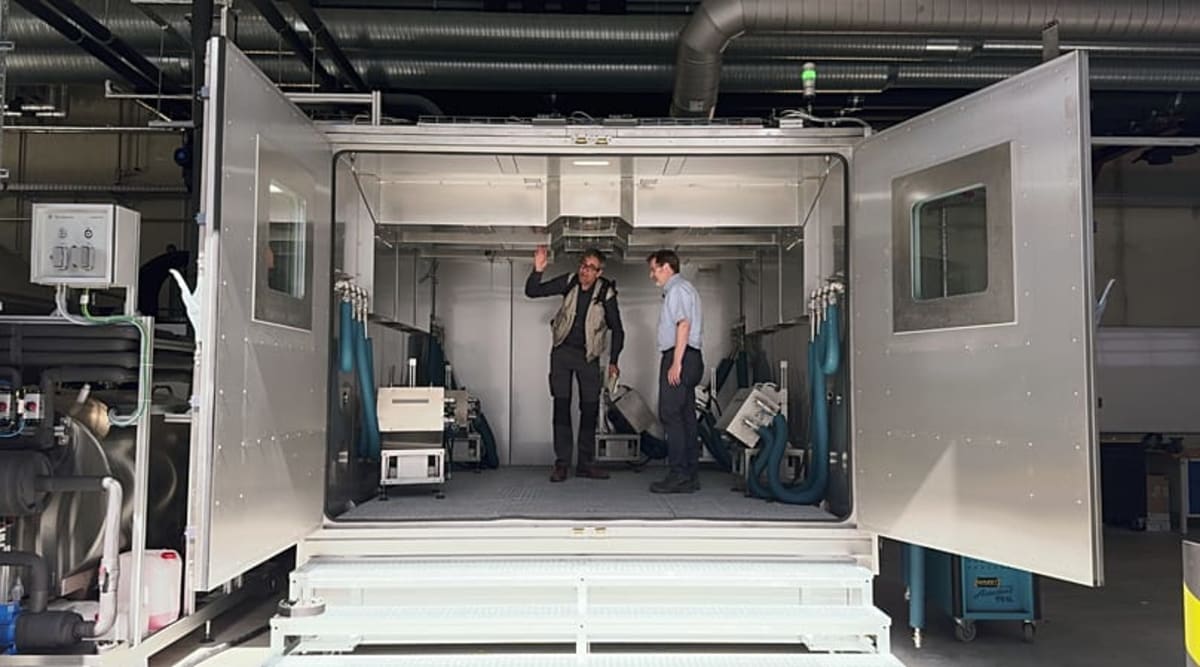
At DEKRA's facility, Europe's largest battery testing centre, teams deliberately subject electric vehicle batteries and renewable energy storage systems to fire, crushing forces, extreme cold, sandstorms, and simulated car crashes. Every battery that powers your future needs to prove it can survive the absolute worst before it reaches consumers.
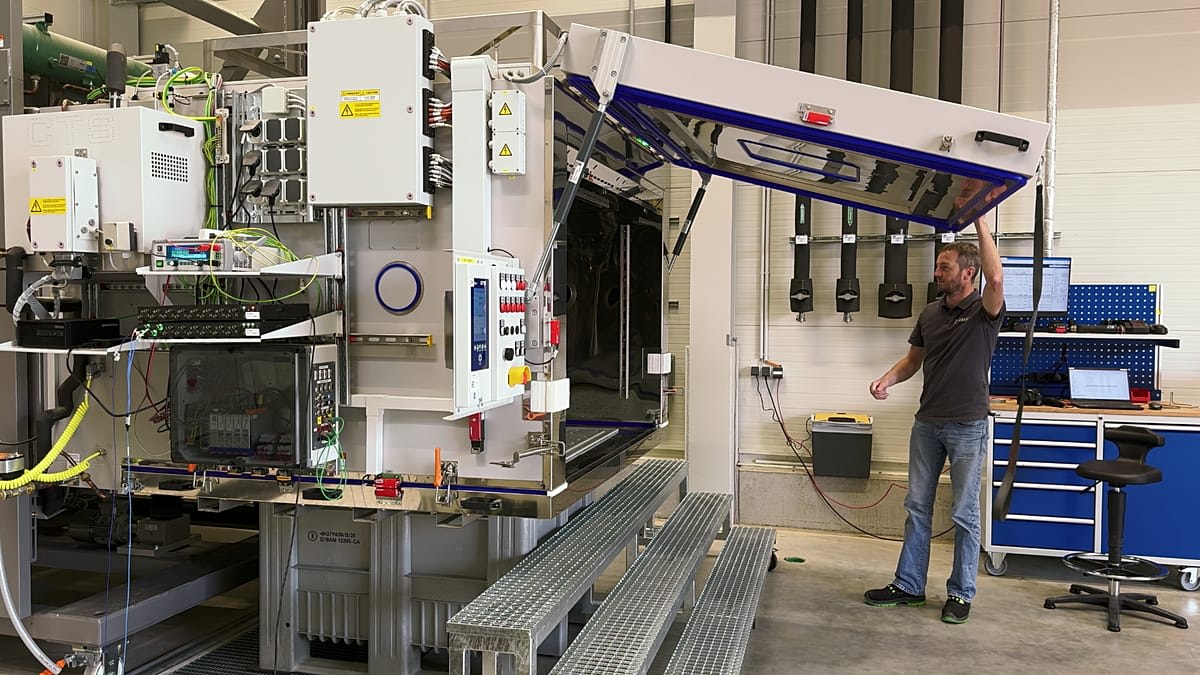
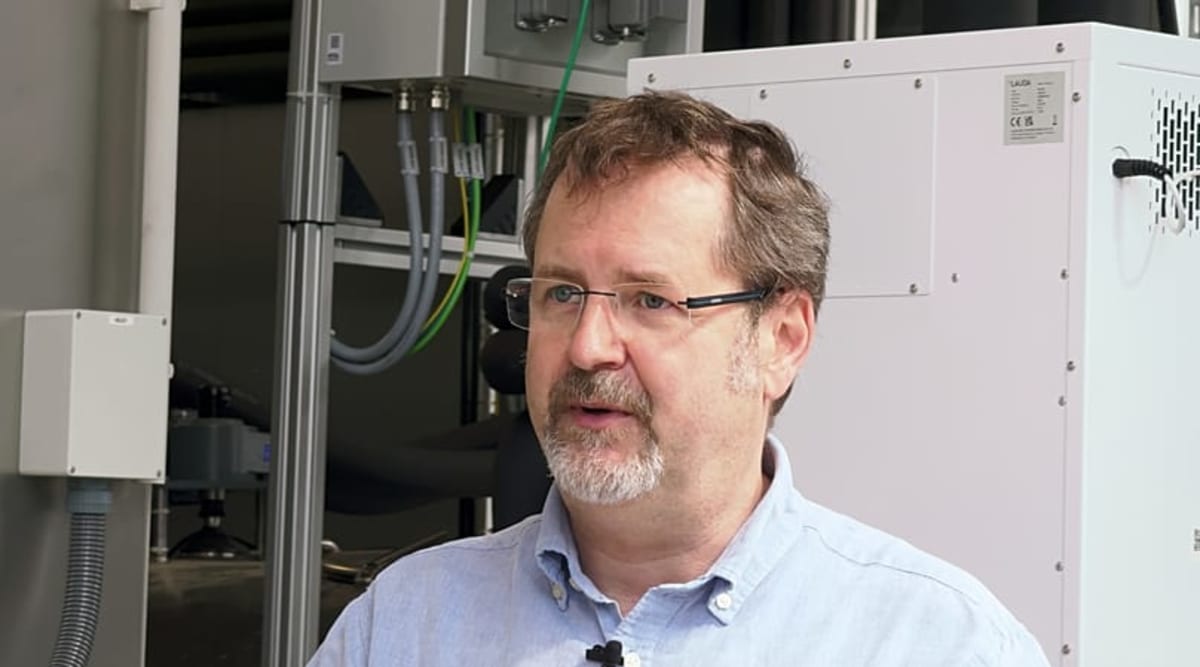
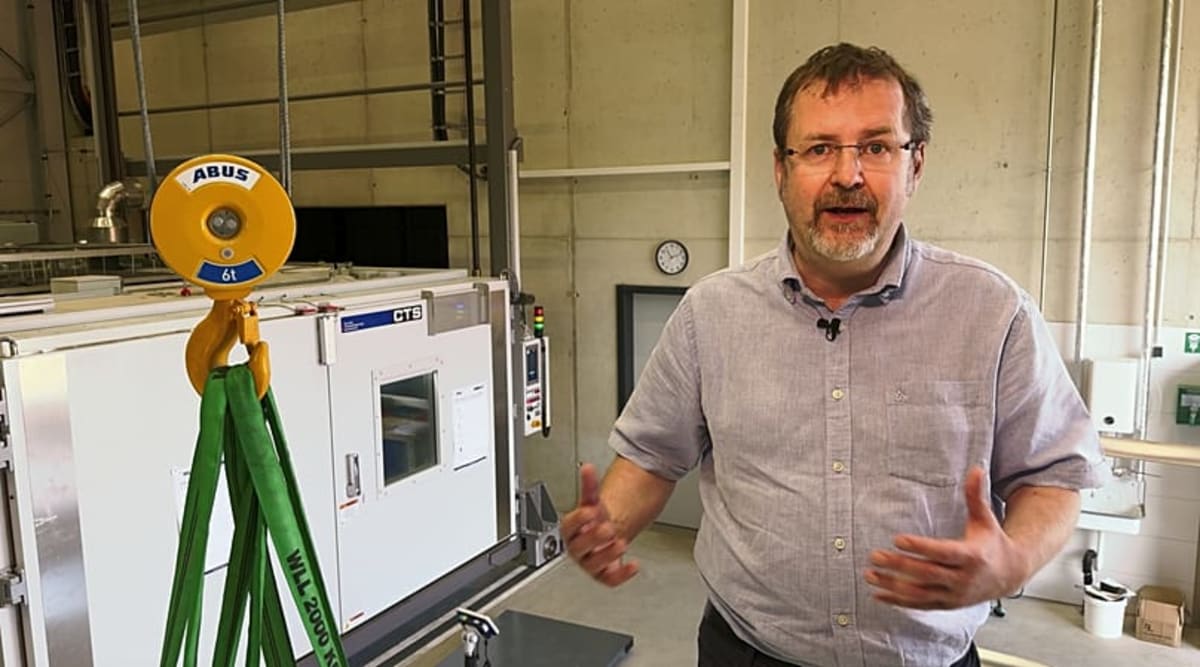
Thomas Hucke, who leads the facility, walks past rows of climate chambers that can recreate conditions from Siberia to the Sahara. "We're testing how battery prototypes behave at very low temperatures, or at very high temperatures," he explains, casually dialing a chamber down to minus 40 degrees Celsius.
The testing isn't just about electric cars. As Europe races to store solar and wind energy, massive stationary batteries are becoming critical infrastructure, and those need their own extreme trials.
In the "fire hall," scientists recently set an entire battery container ablaze. With climate change fueling more extreme heat and wildfires across Europe, it's not unrealistic that flames could one day reach a solar farm's storage facility. These tests ensure batteries can withstand intense heat without catastrophic failure.
Down another corridor sits the "crush bed," a cathedral-high bunker where an oversized mechanical vice squeezes batteries with tremendous force. European regulations require that absolutely nothing dangerous happens when batteries are compressed, simulating what might occur in a severe accident.
The facility even has specialized dust chambers for full-blown sandstorm simulation. If a battery is destined for desert use, it must prove its worth before earning certification.
The Ripple Effect
This rigorous testing serves a purpose far beyond product approval. Every fire that doesn't start, every explosion that never happens, and every malfunction caught here builds public trust in the technology powering our clean energy future.
The European Union's new Battery Regulation mandates these tests, focusing on sustainability, supply chains, and above all, safety. "The energy transition must function safely and sustainably," Hucke emphasizes. "This requires testing service providers who ensure that certain rules and standards are adhered to."
The work extends beyond preventing disasters. By identifying weaknesses in controlled environments, engineers can redesign batteries to be more resilient, more efficient, and longer-lasting, accelerating innovation while protecting consumers.
As renewable energy and electric vehicles become mainstream, these unsung heroes in their German testing chambers are quietly ensuring that the future doesn't just arrive faster, but safer for everyone.
#
More Images
Based on reporting by Euronews
This story was written by BrightWire based on verified news reports.
Spread the positivity!
Share this good news with someone who needs it