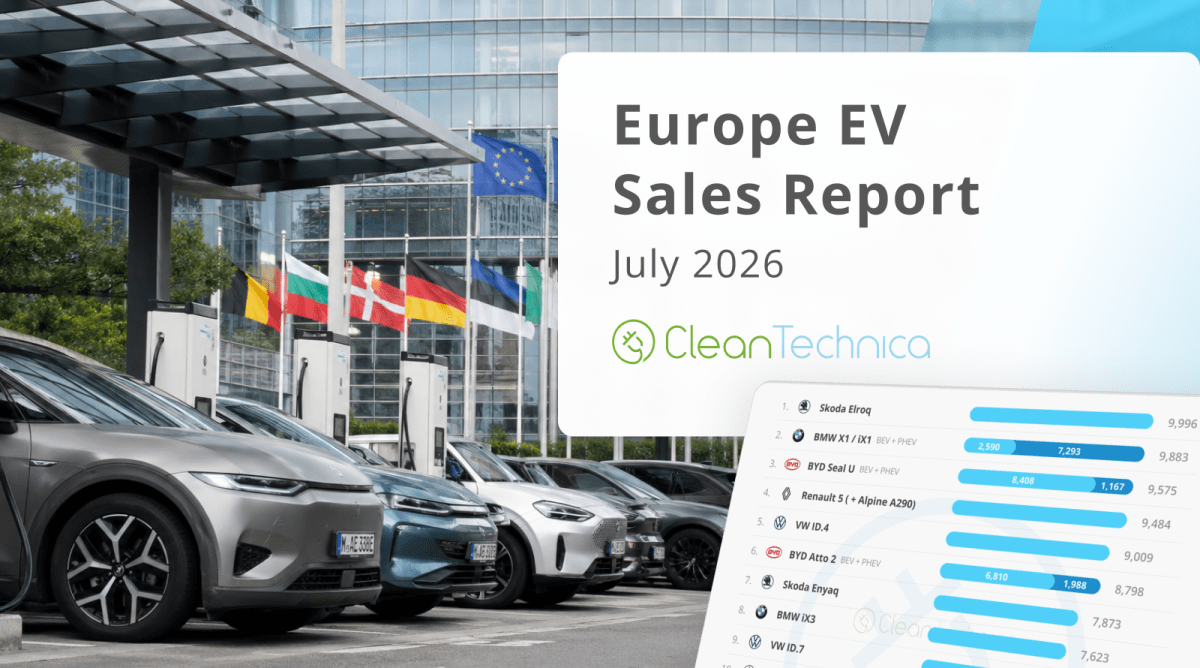
Europe's Electric Cars Hit 26% Market Share in July
Electric vehicles are taking over European roads faster than expected, with 288,000 new EVs registered in July alone. The shift is happening so quickly that some countries could see nearly all-electric car sales by 2030.
📺 Watch the full story above
Europe just proved that the electric vehicle revolution isn't slowing down—it's accelerating. In July 2026, fully electric cars captured 26% of all new vehicle sales across the continent, marking a stunning 51% jump from the same month last year.
The numbers tell a powerful story. Nearly 288,000 electric vehicles rolled off dealer lots in a single month, the fastest growth rate Europe has seen all year. This surge happened even as Tesla sales dropped 36%, proving that the continent no longer depends on one manufacturer to drive change.
What's fueling this electric boom? New, more affordable models are flooding the market, gas prices remain high, and Chinese automakers are bringing competitive options to European buyers. Together, these factors have created a perfect storm for electric vehicle adoption.
The transformation looks different across Europe's map. Norway leads the charge with electric vehicles representing 98% of new car sales, while Denmark follows at 80%. The Netherlands, Belgium, Finland, and Sweden all report electric vehicles capturing between 43% and 53% of their markets.
Southern and Eastern European countries are moving slower. Italy sits at just 6% electric vehicle share, while the Czech Republic reaches 8%. These gaps mean full electrification will arrive at different times across the continent, with some markets hitting 100% electric by 2030 and others not until 2040.
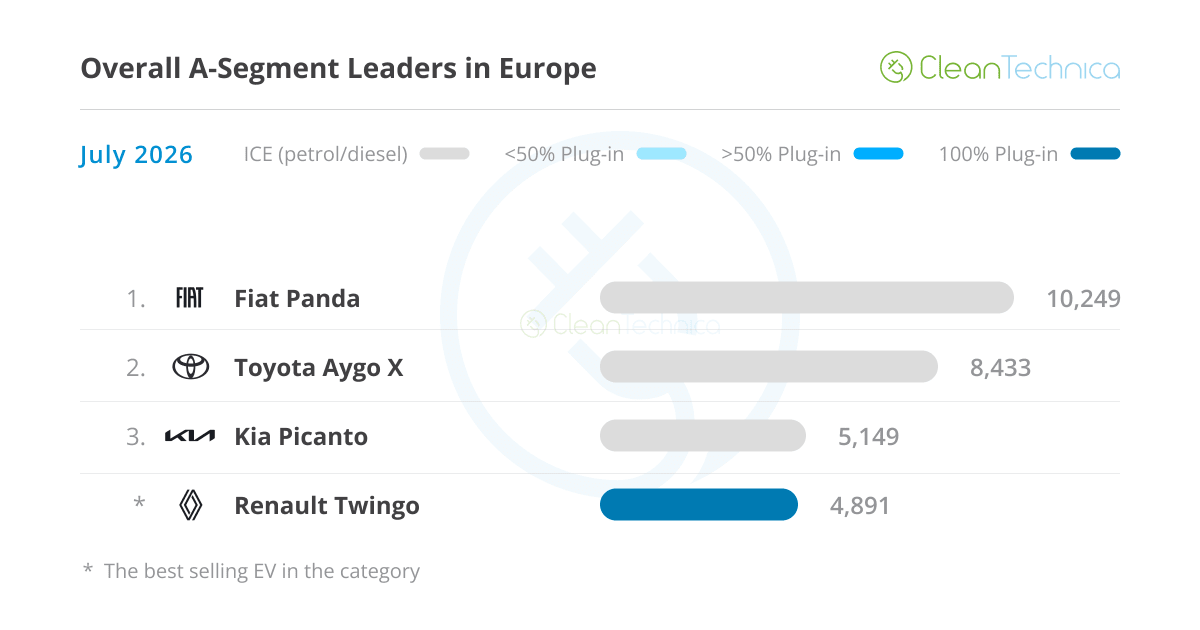
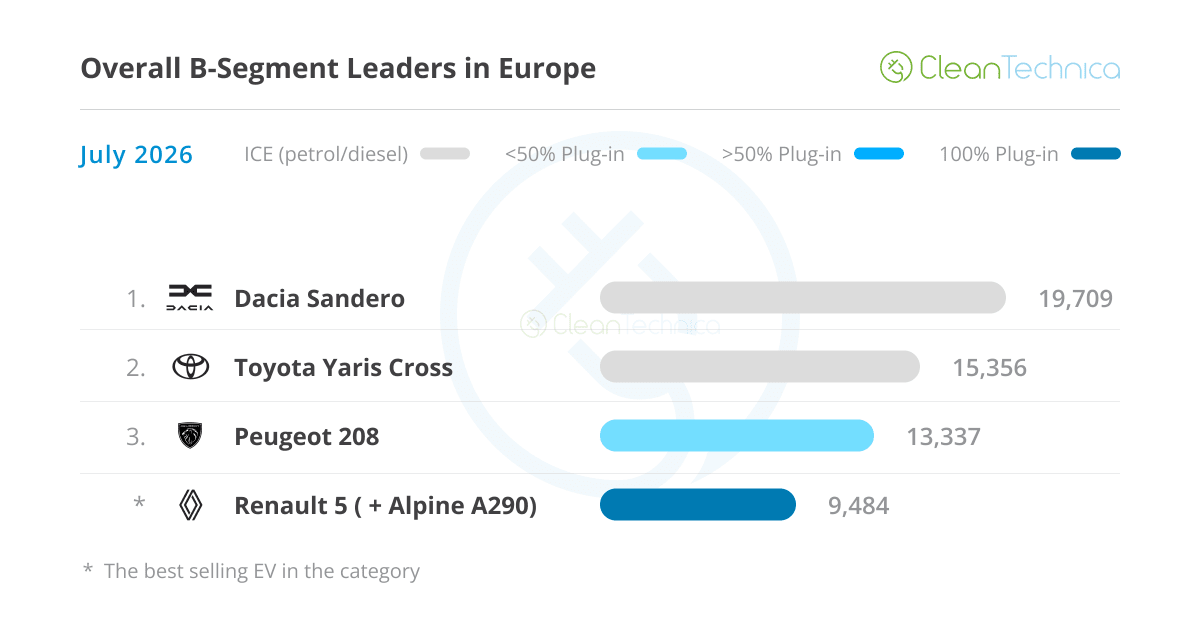
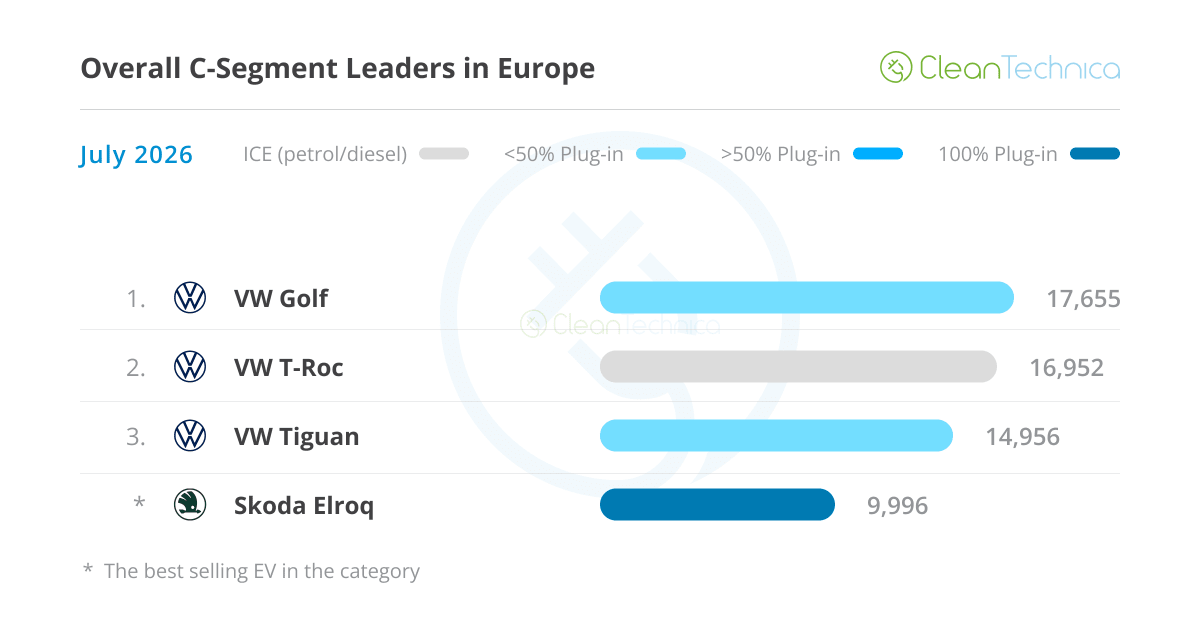
The shift is reshaping every vehicle category. City cars are leading the charge, with affordable electric models like the Renault Twingo and Leapmotor T03 climbing sales charts. Midsize luxury vehicles show strong electric adoption too, with the Mercedes GLC selling 52% of its vehicles as either fully electric or plug-in hybrid versions.
Even traditional segments are changing. The BMW 5 Series now sells 62% of its cars as electric or hybrid models. The Mercedes E-Class hits 40% electrification. These aren't niche products anymore—they're becoming the mainstream choice.
The Ripple Effect
This electric vehicle surge creates benefits beyond cleaner air. As sales volumes grow, prices drop, making electric cars accessible to more families. Charging infrastructure expands to meet demand, making electric vehicles practical for more people. Manufacturing jobs shift toward future technology rather than dying industries.
Europe's experience also provides a roadmap for other regions. The combination of infrastructure investment, model variety, and consumer incentives shows what works. As Chinese and European automakers compete, innovation accelerates and prices fall, benefiting buyers worldwide.
The momentum suggests Europe could reach its climate goals faster than planned. With electric vehicles already exceeding 2025's full-year projections by mid-2026, the path to sustainable transportation looks clearer than ever. Every new electric vehicle on the road proves that big change happens one driver at a time.
More Images
Based on reporting by CleanTechnica
This story was written by BrightWire based on verified news reports.
Spread the positivity!
Share this good news with someone who needs it