Europe's Home Energy Revolution Cuts Bills and Grid Stress
Millions of European households are taking control of their energy bills with solar panels and smart batteries that pay for themselves faster than ever. New AI systems make it as simple as talking to a friend.
Across Europe, families are finding a surprising solution to soaring energy bills: managing their own power at home.
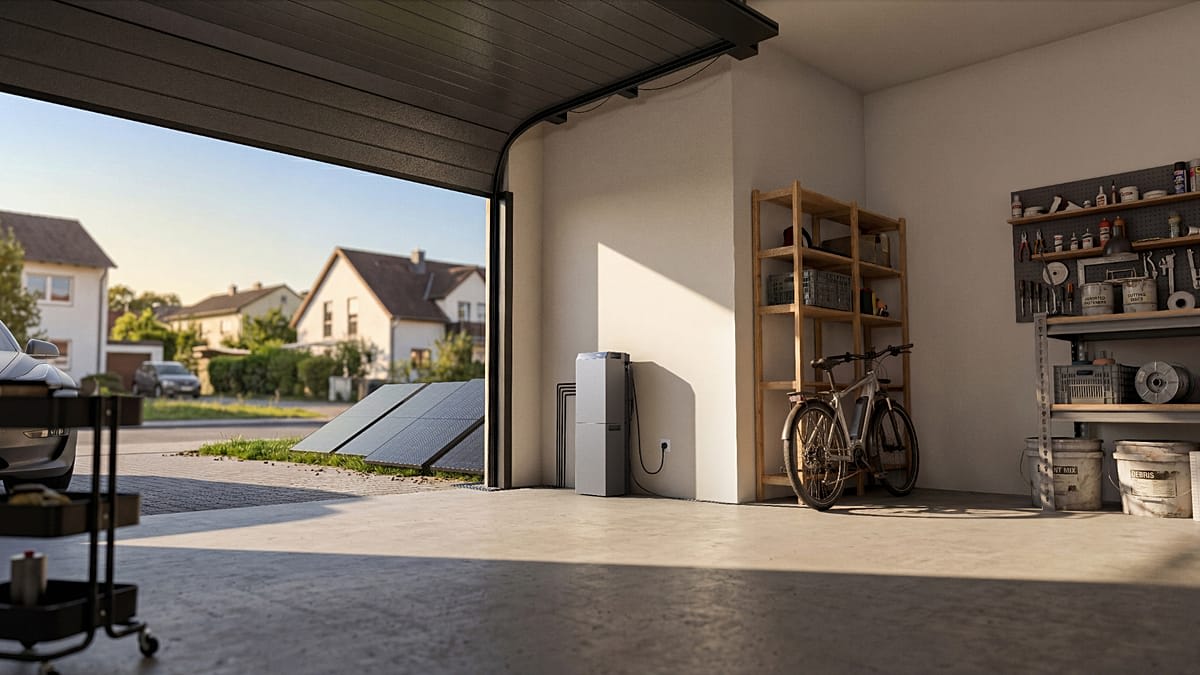
The shift is happening quietly but quickly. In Germany, over 1.33 million households now run small solar systems. The Netherlands has solar panels on one in three homes. And in the UK, families with smart batteries are dodging expensive evening electricity rates by storing cheap overnight power.
What changed is the math. Solar and battery costs keep falling while European electricity prices remain stubbornly high, sitting around 29 cents per kilowatt-hour on average. For German households paying 39 cents, the payback period for home energy systems gets shorter every year.
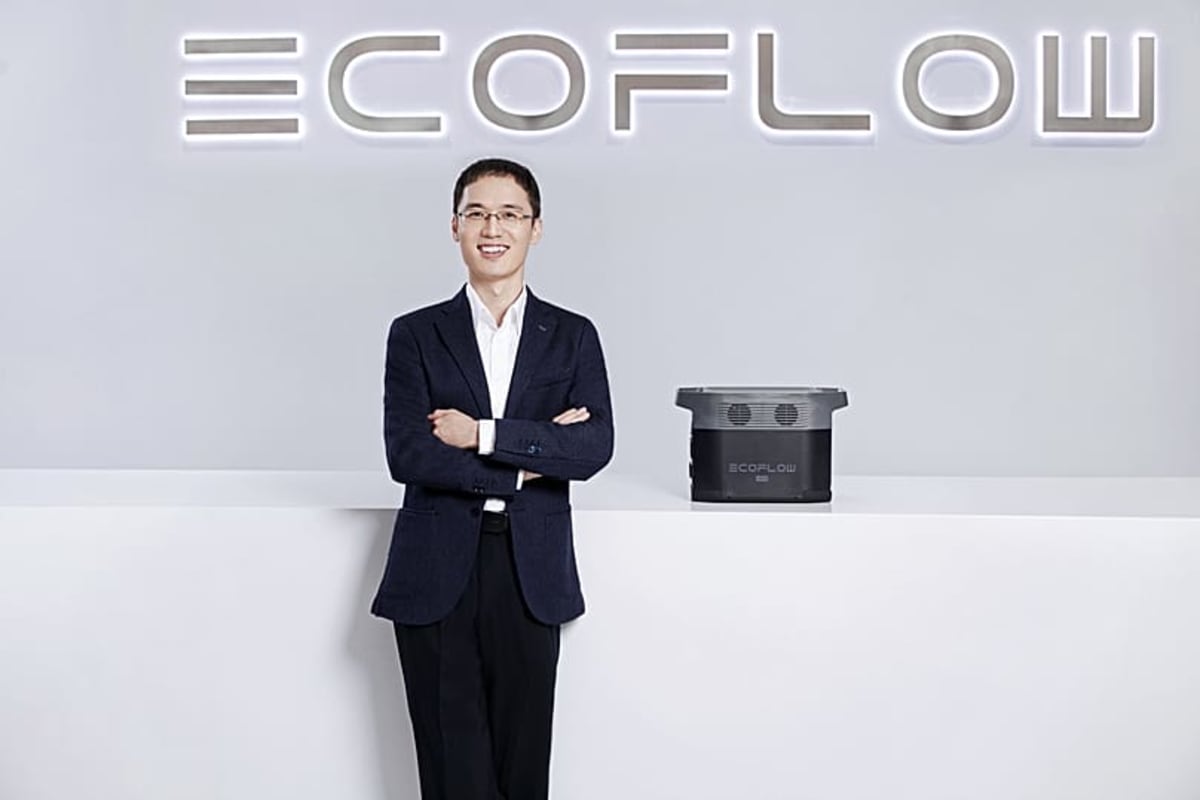
Dr. Bruce Wang, CEO of EcoFlow, a company designing energy systems for European homes, sees it clearly. "People feel they are at the mercy of events outside their hands," he says. "We are responding by returning control to the individual."
The technology solves real problems families face today. Europe's summers are getting hotter. Many households considering air conditioning for the first time now worry about the running cost. Home solar and storage can power those units without the scary bills.
Even apartment dwellers can join in. Balcony solar panels can help run smaller AC units when coupled with smart energy management.
The breakthrough is making it simple. Managing home energy used to mean tracking tariff schedules, predicting tomorrow's weather, and deciding when to charge batteries. EcoFlow's OASIS 3.0 platform automates those decisions completely.
Its AI assistant, EcoBot, takes it further. Leaving for vacation? Just say "I'm away until Friday. Keep my costs down." The system configures itself automatically. One sentence replaces dozens of manual adjustments.
The approach adapts to each country's unique situation. Dutch households face a major change on January 1, 2027, when net metering ends. From that point, using your own solar power matters more than sending it back to the grid. Battery registrations more than doubled in early 2026 as families prepared.
The Ripple Effect
When millions of home batteries connect to the grid, they become something bigger. Virtual Power Plants coordinate distributed batteries to store and release power exactly when the grid needs it most.
The pressure is already visible. This summer, one Dutch energy provider paid households to reduce their solar output during peak generation hours. Grids built for predictable demand struggle with the volume of power that rooftop solar now produces.
Smart batteries solve this directly. Energy generated at noon gets stored and released after sunset, precisely when demand peaks.
"Many grid operators already agree," Dr. Wang says. "That is why industry leaders are pushing forward with Virtual Power Plants."
The vision is straightforward: millions of families lowering their bills while strengthening the grid. No technical expertise required. Just technology that finally works for everyone.
More Images

Based on reporting by Euronews
This story was written by BrightWire based on verified news reports.
Spread the positivity!
Share this good news with someone who needs it