Europe's Light Tech Fights Pollution and Explores Mars
Scientists are using photonics—the science of light—to create breakthrough technologies that clean up manufacturing, monitor water pollution, and explore the Martian atmosphere. Three European projects show how light-based innovations are tackling some of our biggest challenges.
Imagine replacing toxic chemical baths with lasers, detecting microplastics with a solar-powered sensor, or sending a compact device to Mars that weighs less than a backpack. That's exactly what European researchers are accomplishing with photonics, the science of manipulating light particles.
While photonics already powers everyday tech like smartphone cameras and LED lights, new projects are pushing this technology into exciting new territory. The European Union is backing these innovations through its Horizon Europe program, and the results are delivering real environmental and scientific wins.
The BILASURF project cracked a major manufacturing problem. Instead of dunking turbine blades and other complex parts into chemical baths that create toxic waste, they developed high-speed lasers that etch microscopic patterns directly onto surfaces. These nature-inspired textures reduce friction, improve performance, and make parts last longer without producing a single drop of hazardous waste.
Water pollution monitoring just got smarter too. The IBAIA project built a portable sensor system that can detect everything from microplastics to heavy metals in a single device. Powered by solar panels, it sits in remote locations and continuously monitors water quality without needing constant attention or battery replacements.
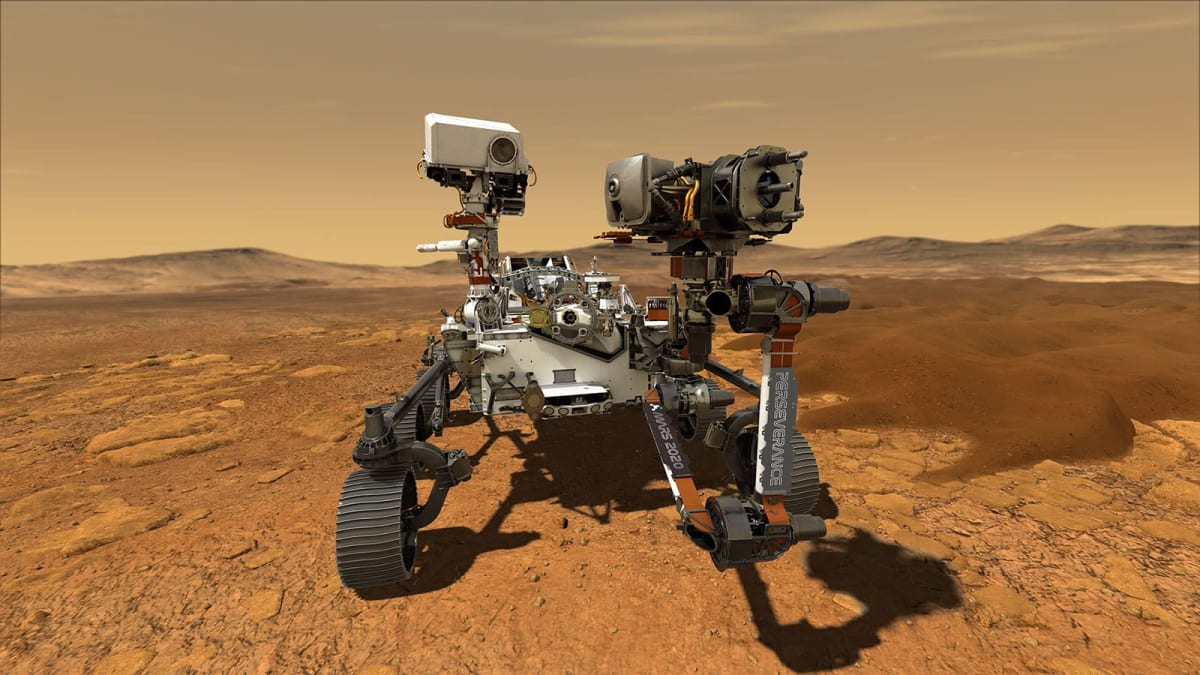
Perhaps most thrilling is the MiLi project's achievement for Mars exploration. Traditional atmospheric monitoring equipment is too bulky and power-hungry for most space missions. The team shrunk the technology down using advanced photonics, creating a lightweight LiDAR system that can analyze Martian dust storms and clouds while sipping minimal power.
The device already passed field testing at Spain's Yebes Observatory, working flawlessly during both day and night conditions. It even uses special ceramic materials designed to handle Mars's wild temperature swings.
The Ripple Effect
These breakthroughs extend far beyond their immediate applications. Cleaner manufacturing means less pollution entering our ecosystems and safer workplaces for factory employees. Better water monitoring protects drinking supplies and helps communities catch contamination before it spreads. Mars atmospheric research teaches us about climate change on both planets while preparing for future human exploration.
The aerospace, transport, and manufacturing sectors are already exploring how to scale up the laser surface treatment technology. The water monitoring system's modular design means communities worldwide could deploy affordable pollution detection, even in developing regions with limited infrastructure.
As conventional electronics bump against their physical limits, photonics is proving that light-based solutions can deliver better speed, precision, and energy efficiency. These projects show that sometimes the brightest innovations come from harnessing the simplest element: light itself.
More Images
Based on reporting by Google: scientific discovery
This story was written by BrightWire based on verified news reports.
Spread the positivity!
Share this good news with someone who needs it