Europe's Regional Airports Lead Clean Aviation Revolution
Five European nations are transforming regional airports into testing grounds for electric aircraft, reshaping the future of sustainable air travel. Smaller airports are proving perfect for launching the next generation of cleaner aviation technology.
Regional airports across Europe are becoming the unlikely heroes of sustainable aviation, as France, Germany, Netherlands, Belgium, and Spain join forces to revolutionize air travel.
The collaboration marks a turning point in how Europe approaches cleaner skies. Instead of relying solely on massive international hubs, these countries are empowering smaller regional airports to lead the charge on electric aircraft testing and development.
Regional airports offer something their larger counterparts cannot: flexibility. With lower passenger volumes and less operational pressure, they can adapt quickly to new technologies and serve as real-world laboratories for electric aircraft. This makes them ideal launching pads for innovations that could transform European air travel.
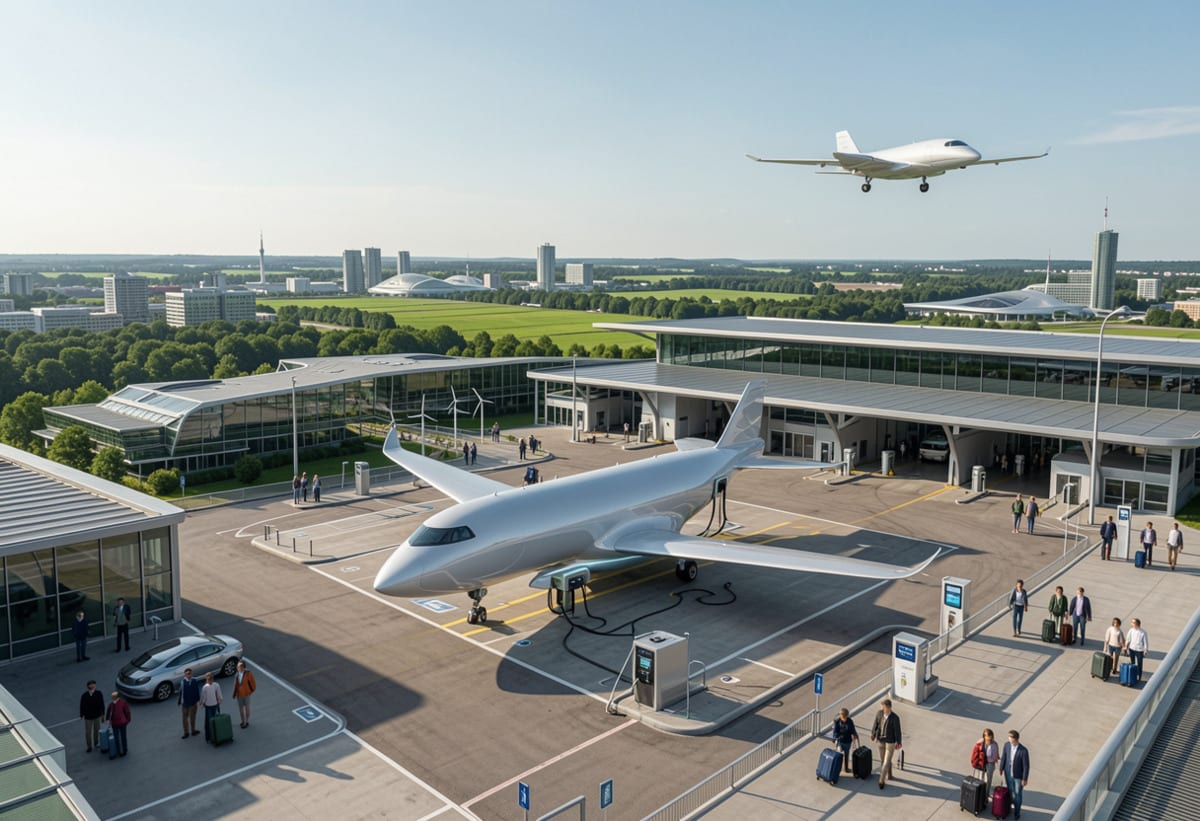
France is leading the effort by positioning its regional airport network as a testing ground for next-generation aircraft. These airports are preparing to install charging infrastructure and specialized services designed specifically for electric planes. The goal is to support short-distance routes where electric aircraft can operate most efficiently.
Germany brings its aerospace engineering expertise to the partnership, investing heavily in electric propulsion systems and alternative aircraft technologies. The country's regional airports are preparing to become bridges between experimental technology and everyday passenger service.
The Netherlands is focusing on creating sustainable airport ecosystems that support electric aviation growth. Dutch airports are exploring ways to reduce environmental impact while preparing infrastructure for cleaner aircraft operations.
This shift addresses a real problem: aviation accounts for significant carbon emissions, and short regional flights are often the least efficient. Electric aircraft operating from regional airports could provide cleaner alternatives for routes under 500 miles, covering many European journeys.
The Ripple Effect
The transformation extends beyond aircraft themselves. Airports are upgrading charging stations, maintenance facilities, and operational systems to support electric flight. This creates jobs in green technology and positions smaller communities as innovation centers rather than just transit points.
The partnership also strengthens regional connectivity. As electric aircraft become viable for shorter routes, communities served by regional airports gain better access without the environmental cost of traditional aviation. Passengers could see more direct flights between smaller cities, reducing travel time and carbon footprints simultaneously.
The collaboration represents practical progress on climate goals. By 2030, these regional airports aim to host regular electric aircraft operations, proving the technology works for commercial service. Success in Europe could inspire similar programs worldwide, multiplying the environmental benefits.
This approach shows how solving big problems sometimes requires thinking smaller. Regional airports, once considered secondary players, are becoming essential to aviation's sustainable future. Their willingness to experiment today could determine how millions of Europeans travel tomorrow.
Based on reporting by Google News - Germany Innovation
This story was written by BrightWire based on verified news reports.
Spread the positivity!
Share this good news with someone who needs it