Europe's Renewables Surge Creates Free Electricity Hours
Clean energy is flooding Europe's power grid so much that electricity prices dropped below zero for over 1,200 hours in early 2026, more than double last year. It's a sign that solar and wind are becoming so abundant, countries are paying people to use power during peak production times.
Europe just hit a clean energy milestone that sounds almost too good to be true: electricity became so plentiful in early 2026 that prices went negative for 1,223 hours across the continent.
That means during those hours, energy companies actually paid consumers to use electricity. It's more than double the 593 negative-price hours recorded in the same period last year and ten times higher than 2022.
Spain led the surge with 347 hours of negative pricing in the first three months of 2026, a dramatic jump from just 73 hours the year before. Portugal followed close behind with 294 hours, while Greece went from zero negative-price hours in early 2025 to 138 in 2026.
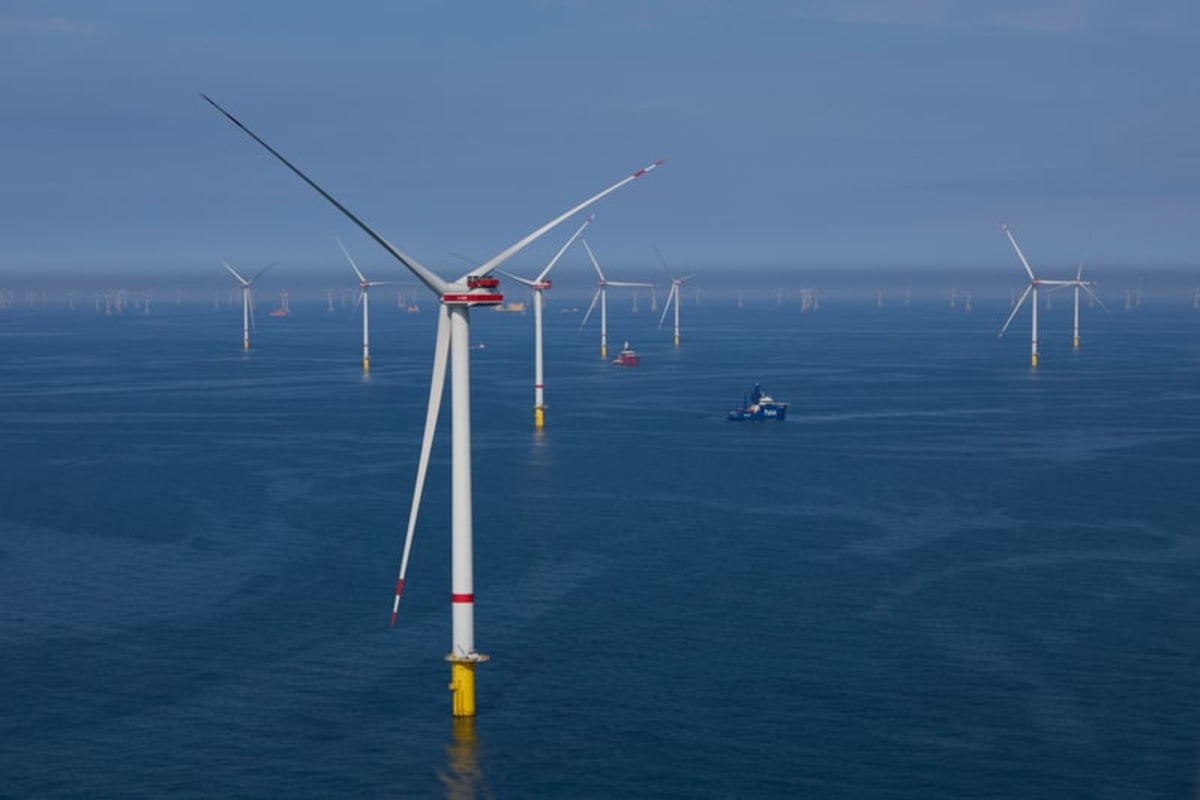
The reason? Solar and wind farms are producing so much clean electricity that the grid sometimes can't handle it all. When production exceeds demand, especially during sunny midday hours, prices drop below zero as energy companies look for ways to keep the grid balanced.
In Germany during April 2026, nearly half of all solar power was generated during negative-price hours. That means almost 50 percent of the country's solar energy that month was produced when electricity was essentially free or better than free.
The pattern reveals just how dramatically renewable energy has grown. Spain had never recorded a single negative-price hour in the first quarter of any year before 2023. Three years later, negative prices happened during 16 percent of all trading hours in early 2026.
The Bright Side
While negative prices might sound like a problem for energy companies, they're actually a sign of remarkable progress. Europe's grid is being flooded with clean, renewable electricity that doesn't burn fossil fuels or emit carbon dioxide.
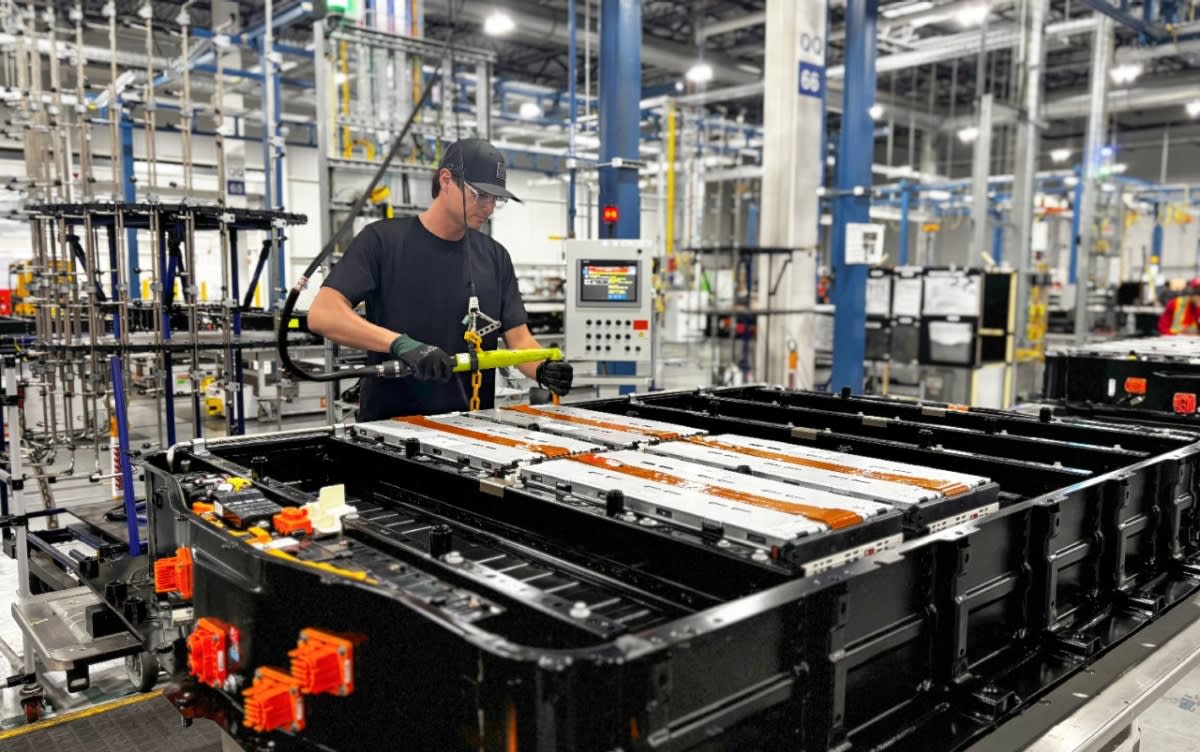
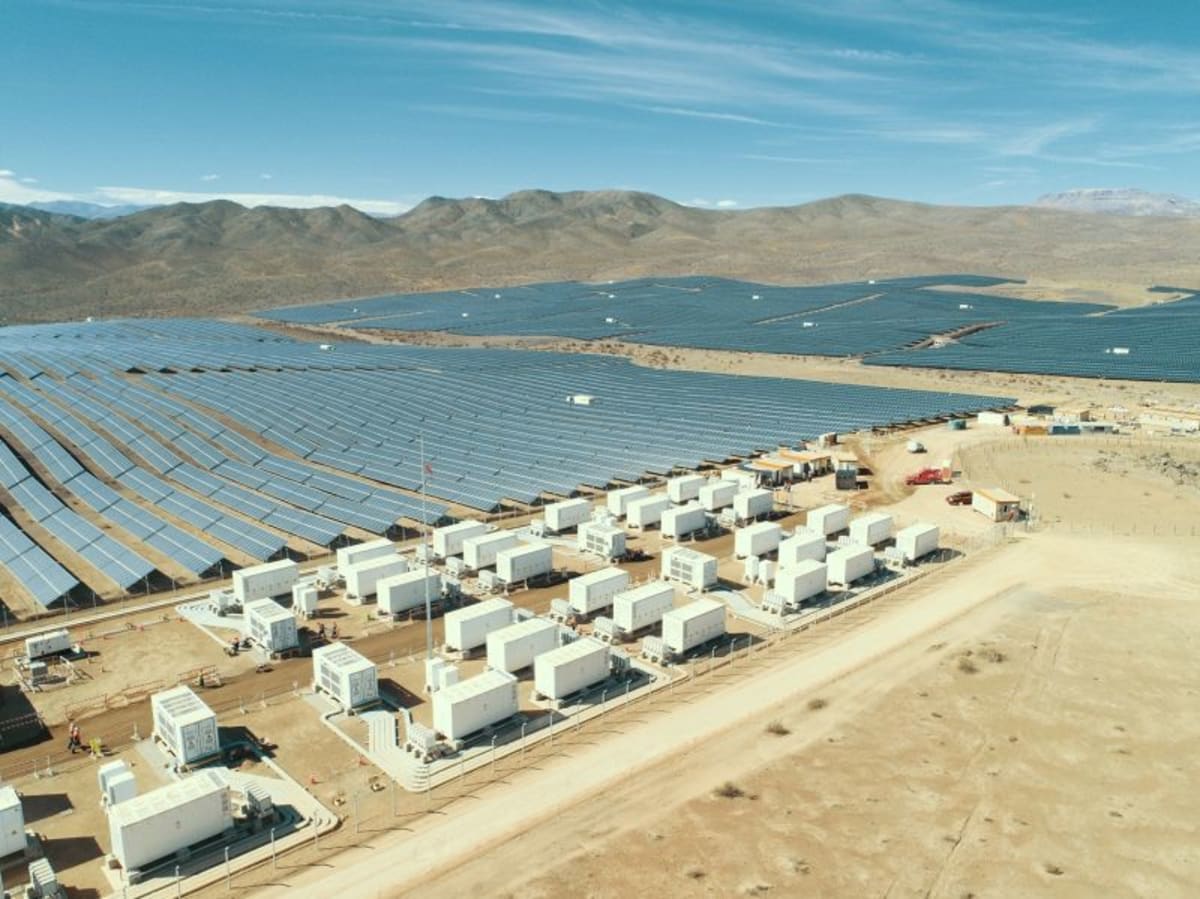
These negative-price hours also drive innovation in energy storage and grid flexibility. Countries are now investing in battery systems that can store excess solar and wind power during peak production and release it when the sun sets or the wind dies down.
The phenomenon is also encouraging smarter energy use. Some manufacturers are already shifting energy-intensive operations to coincide with these negative-price windows, getting paid to run their factories on completely clean power.
Not every country experienced the same pattern. Italy hasn't recorded a single negative-price hour in the first quarter across eight years of data, while Finland and Sweden saw their negative-price hours drop back to zero in early 2026 after previous surges.
The first quarter is actually the mildest period for solar oversupply since sunlight peaks in summer months, meaning these numbers represent a floor rather than a ceiling for Europe's clean energy abundance.
Europe's renewable energy revolution is creating a new kind of challenge: what to do when clean power becomes almost too plentiful to use all at once.
More Images


Based on reporting by PV Magazine
This story was written by BrightWire based on verified news reports.
Spread the positivity!
Share this good news with someone who needs it