Europe's Tiny EVs Challenge SUV Trend With Style
After years of building bigger electric SUVs, European carmakers are finally cracking the code on small, affordable EVs designed for narrow city streets. Cars like the Renault Twingo E-Tech prove going electric doesn't mean going big.
European cities are getting their charm back, one tiny electric car at a time.
For years, electric vehicles meant one thing: massive SUVs. Battery technology was too expensive for smaller cars, so manufacturers focused on bloated models that barely fit down medieval lanes. But European carmakers have finally figured out how to squeeze the technology into city-sized vehicles without breaking the bank.
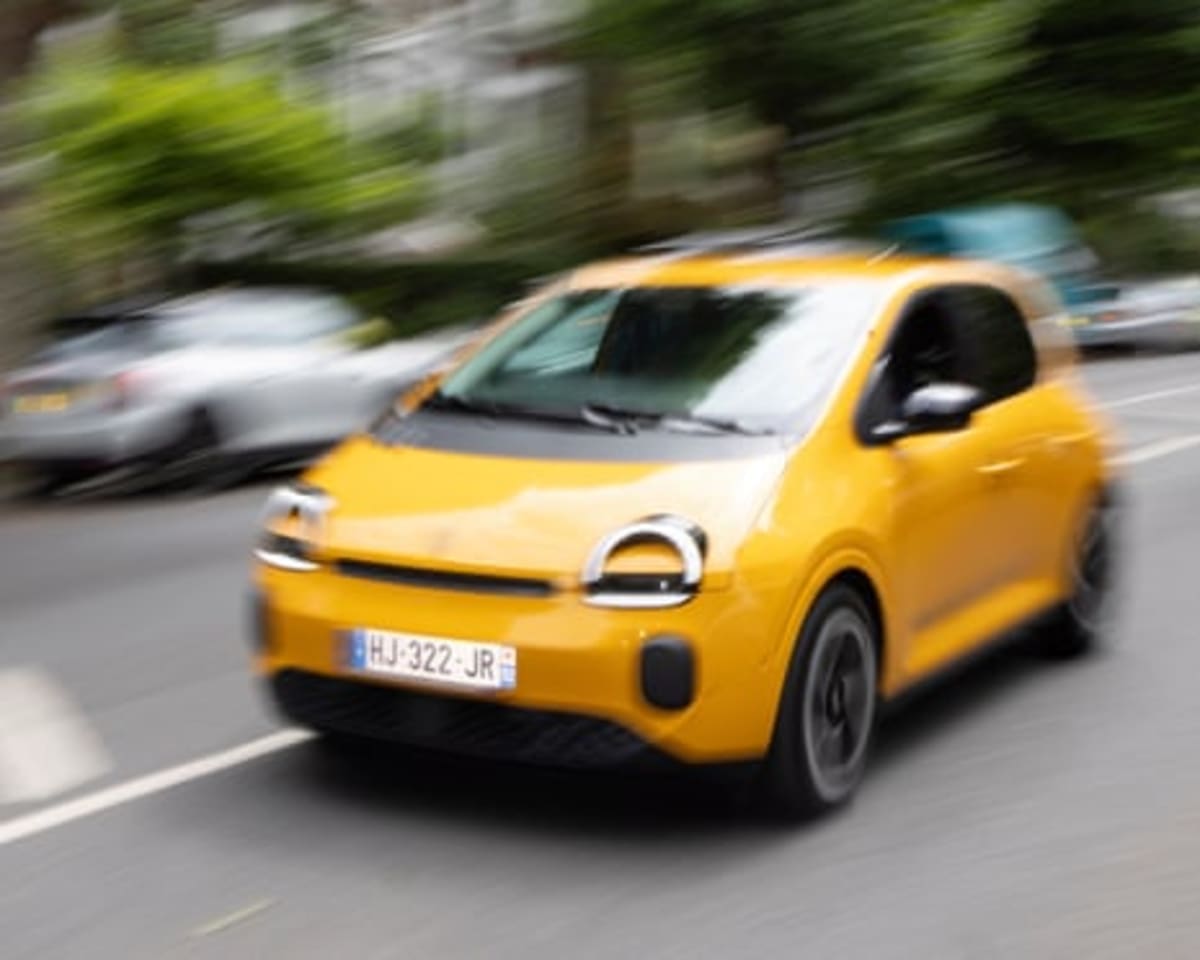
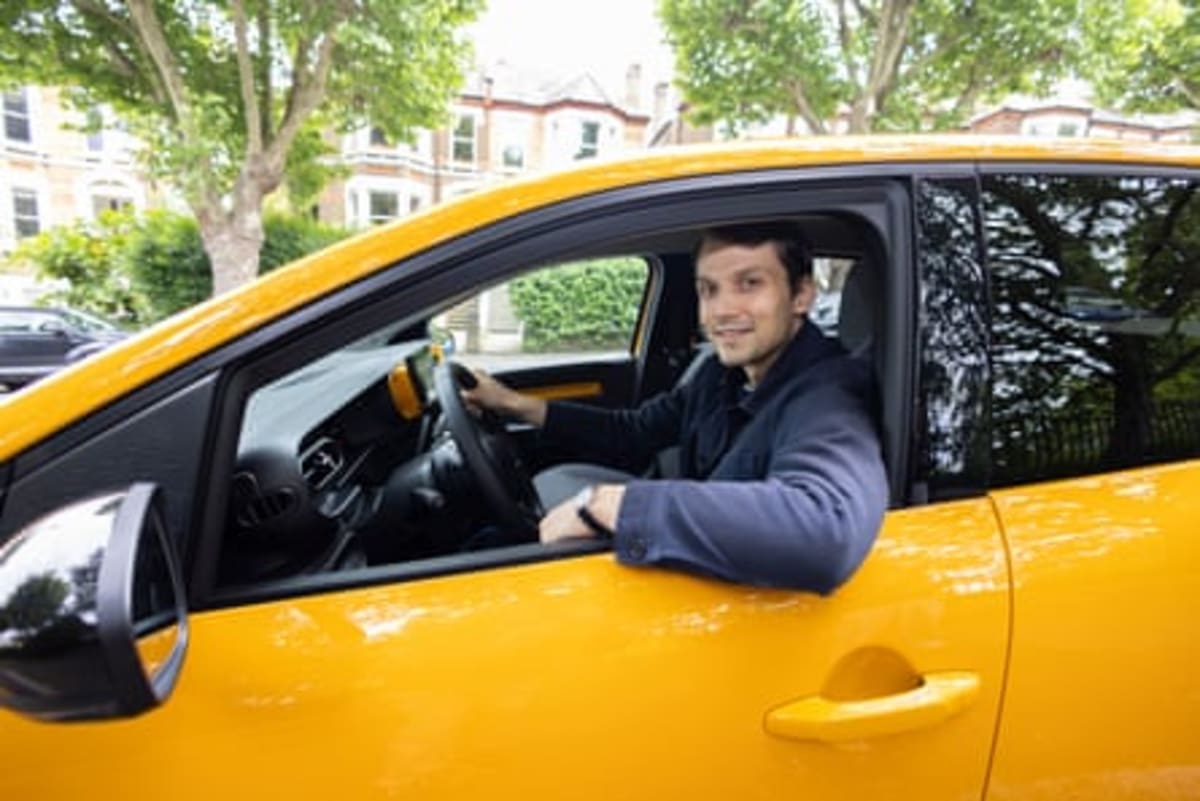
The new Renault Twingo E-Tech is leading the charge. With bulbous headlights earning it the nickname "frog" and available in eye-catching mango yellow, this city car turns heads on London streets for all the right reasons. Starting around £18,000 when it launches in the UK next year, it represents a major shift in the electric vehicle market.
"The world is not going to be saved by big SUVs that are electric," says Renault's chief design officer Laurens van den Acker. "The world is going to be saved by small electric cars."
He's got a point. Road transport accounts for about a fifth of EU emissions. Switching from a small petrol car to an electric SUV is like taking two steps forward and one step back—the emissions from manufacturing those huge batteries and the extra energy needed to move all that bulk add up.
The Twingo isn't alone anymore. Citroën has the ë-C3 and plans to revive the classic 2CV name for a small electric model. Peugeot offers the E-208. Volkswagen is working on an ID. Polo. Even tinier "quadricycles" like the Citroën Ami are creating a whole new category of ultra-compact city vehicles.
This reversal comes after decades of cars getting steadily larger. The average 2024 car measured 14 feet 5 inches long, five percent longer than 2016 models, according to Dutch government statistics. Width increased nearly four percent to 5 feet 10 inches, making Amsterdam's canal-side streets feel like obstacle courses.
The Ripple Effect
Making small cars profitable again required smart thinking. Renault slashed development time from four years to two and reduced parts from up to 2,000 down to just 750. The key breakthrough was falling battery costs, which finally made affordable small EVs financially viable.
But cost-cutting didn't mean sacrificing personality. The Twingo features sliding back seats for flexible legroom or cargo space, a sleek windscreen-to-bonnet profile, and those unforgettable headlights. Van den Acker wanted "EVs that you could actually fall in love with."
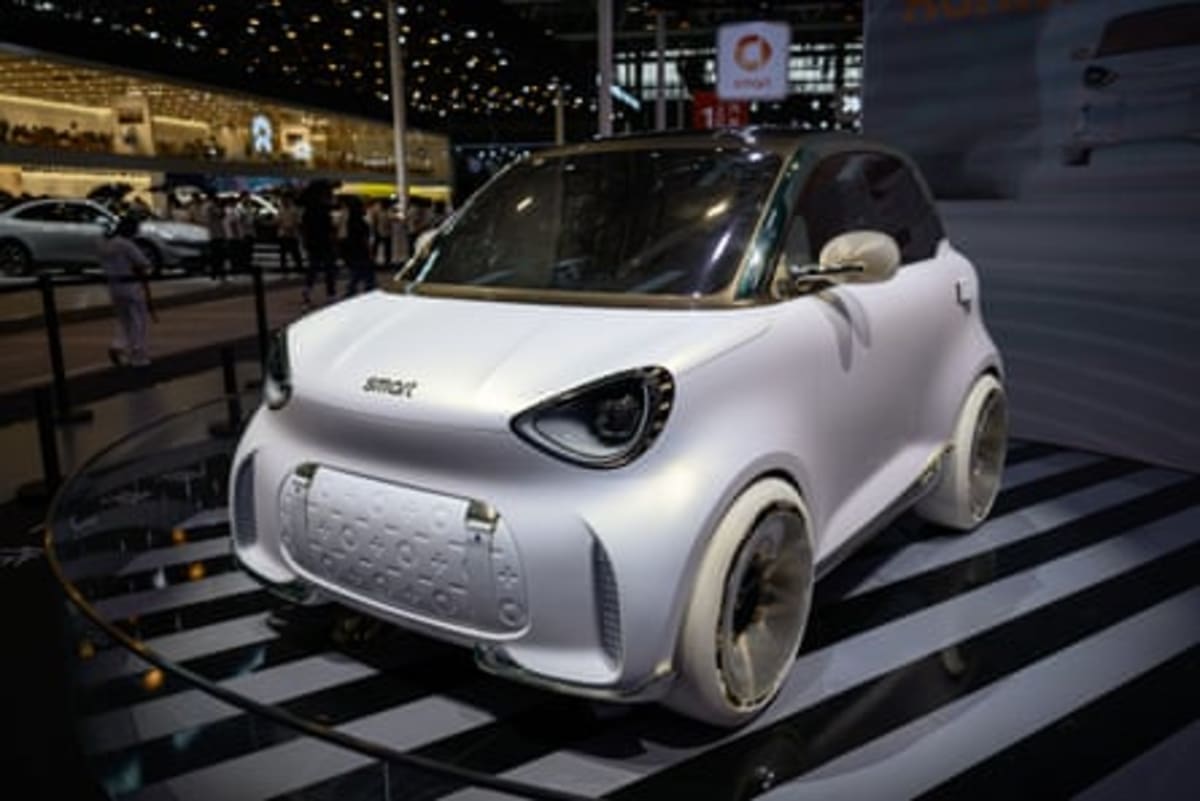
Smart is bringing back its iconic two-seater Fortwo as the electric #2 (yes, pronounced "hashtag two"). "Making a big car is easy," says Smart Europe's Xuan-Zheng Goh. "Making a small car is a real big challenge."
Renault already proved smaller can win bigger with the slightly larger Renault 5 E-Tech, which won Europe's 2025 Car of the Year award.
These pint-sized EVs are proving you don't need to super-size everything to go electric—sometimes the greenest choice comes in the smallest package.
More Images

Based on reporting by Google News - Electric Vehicle
This story was written by BrightWire based on verified news reports.
Spread the positivity!
Share this good news with someone who needs it