Korean Battery Breakthrough Boosts EV Power by 166%
Scientists in South Korea just solved a major battery problem that's been holding back electric vehicles and home energy storage. A simple addition to lithium-ion batteries now lets them deliver way more power when you need it most. #
Your electric car could soon accelerate harder without draining the battery, thanks to a clever chemistry tweak from Korean scientists.
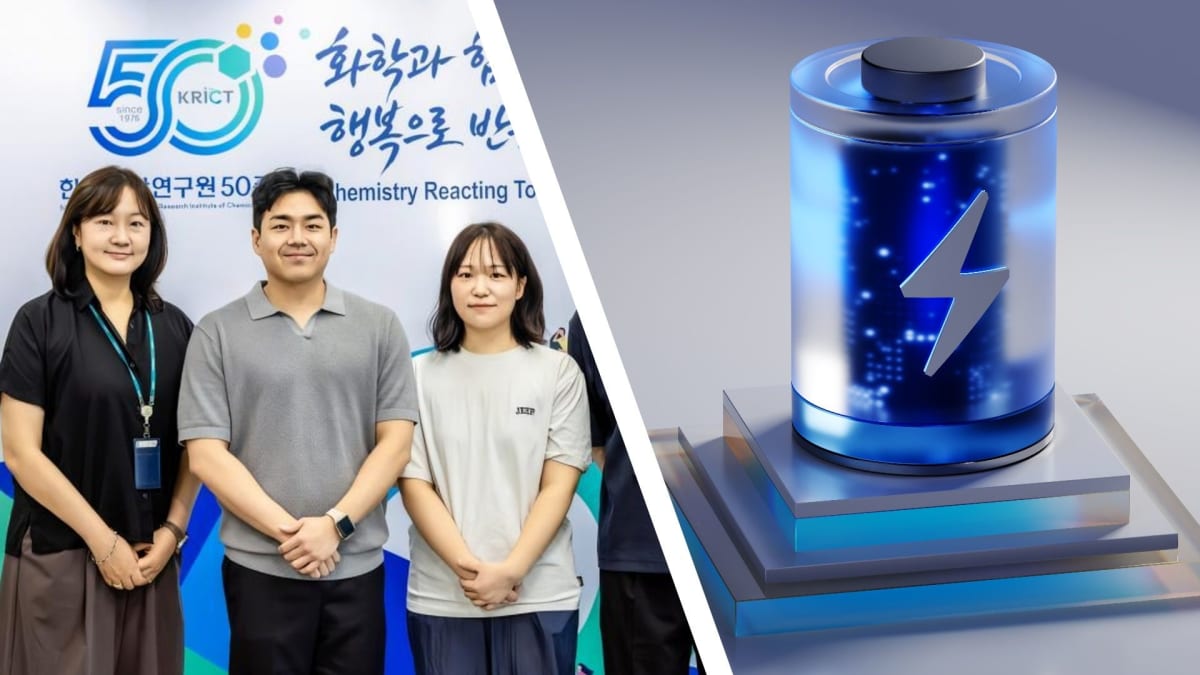
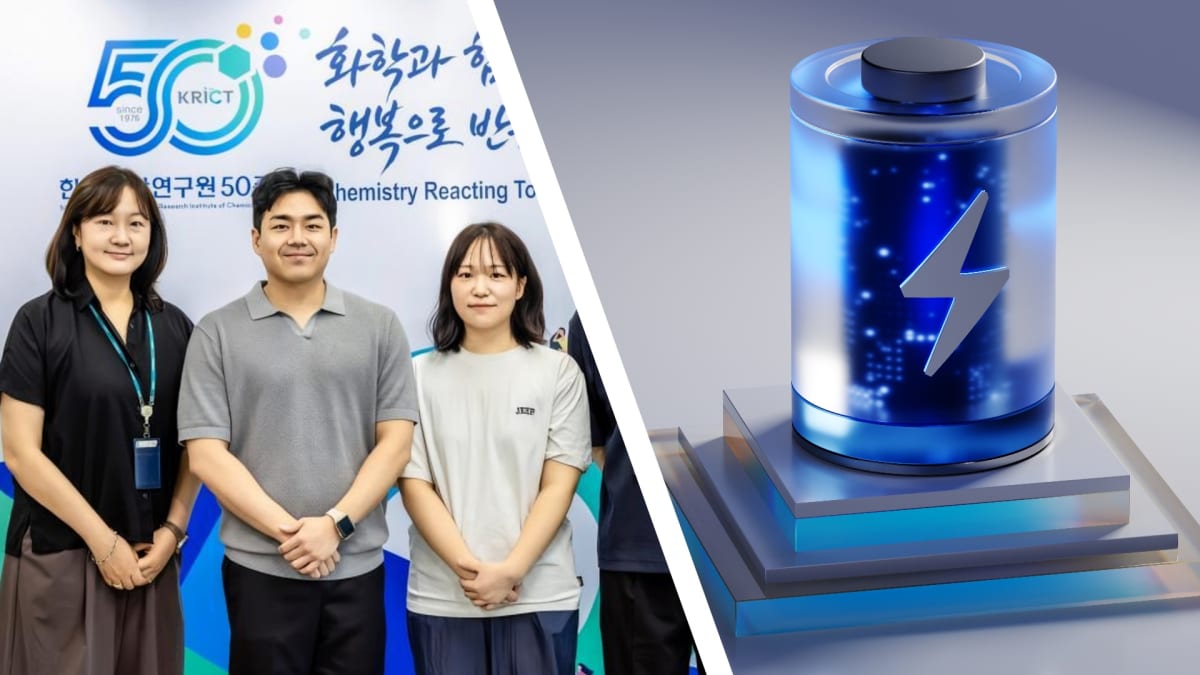
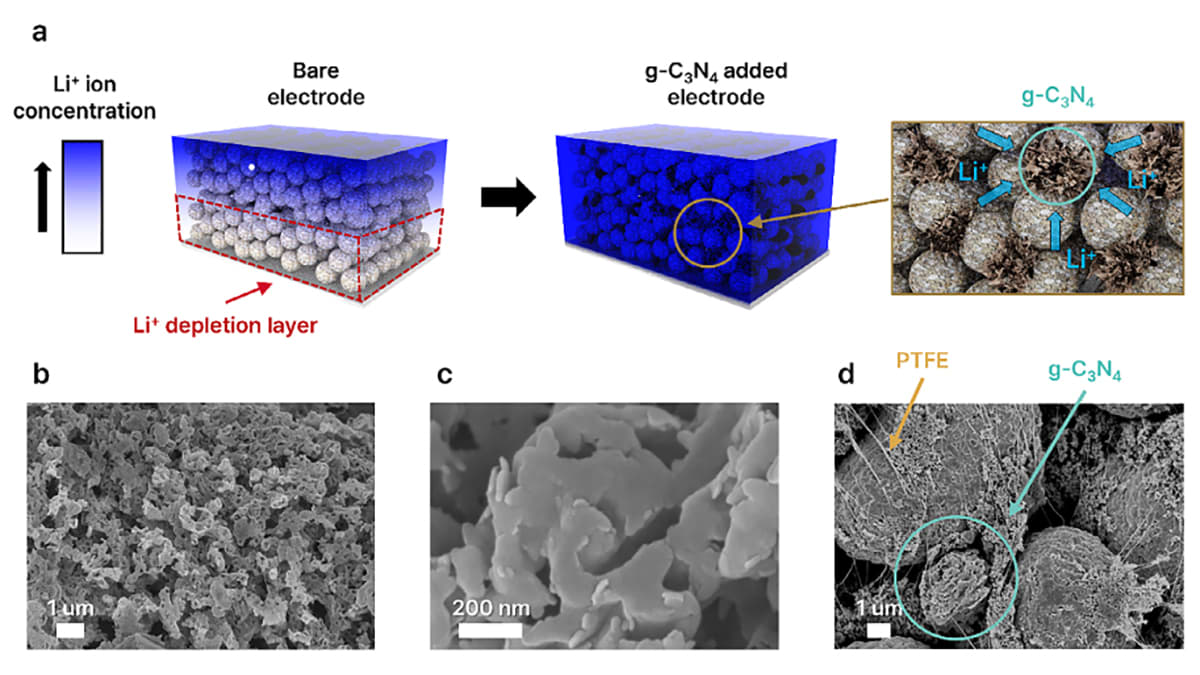
Researchers at the Korea Research Institute of Chemical Technology added a material called graphitic carbon nitride to the battery's cathode. That small change delivered massive results: 166% more capacity during high-power use and nearly triple the power density.
Here's why that matters for your daily life. Right now, when you floor the gas pedal in an EV or run your washing machine on a home battery system, you don't just use energy fast. You actually lose total capacity because batteries struggle to deliver power quickly.
The Korean team cracked this longstanding problem. Their enhanced batteries maintain capacity even when devices demand sudden bursts of power.
Think of it like a water pipe. A thicker pipe holds more water, but if the water can't flow through easily, you don't get the benefit. The researchers essentially made the flow smoother without changing the pipe size.
Electric vehicles stand to gain the most immediately. Cars could accelerate harder and maintain high performance longer without sacrificing driving range. That's the holy grail for EV makers trying to match gas-powered performance.
The Ripple Effect
The technology reaches far beyond cars. Home energy storage systems could better handle appliances that suddenly demand lots of power. Gaming laptops wouldn't slow down as quickly during intense sessions. Drones could lift heavier loads without dying mid-flight.
The research team didn't even test the technology's full potential yet. They believe thicker cathodes using this method could pack more total energy into the same physical space. That means smaller, lighter batteries with longer life.
KRICT President Shin Seok-min says the breakthrough applies across electric vehicles, energy storage systems, and robotics. The next challenge is scaling up from lab tests to real-world production.
The timing couldn't be better. As more homes add solar panels and battery backup systems, and as EV adoption accelerates globally, we need batteries that work harder without getting bigger or heavier.
This isn't just an incremental improvement. It's the kind of leap that could make electric technology genuinely better than what it replaces, not just cleaner.
#
More Images

Based on reporting by Google News - Tech Breakthrough
This story was written by BrightWire based on verified news reports.
Spread the positivity!
Share this good news with someone who needs it