Europe's Tourism Gets Greener With Beach Access & Donkey Cheese
From wheelchair-friendly beaches in Greece to climate passports in Germany, innovators across Europe are proving tourism can help people and the planet. An EU exhibition is showcasing projects that make travel more accessible, sustainable, and fun.
Imagine if your beach vacation could plant trees, or if tasting rare cheese could save a nature reserve.
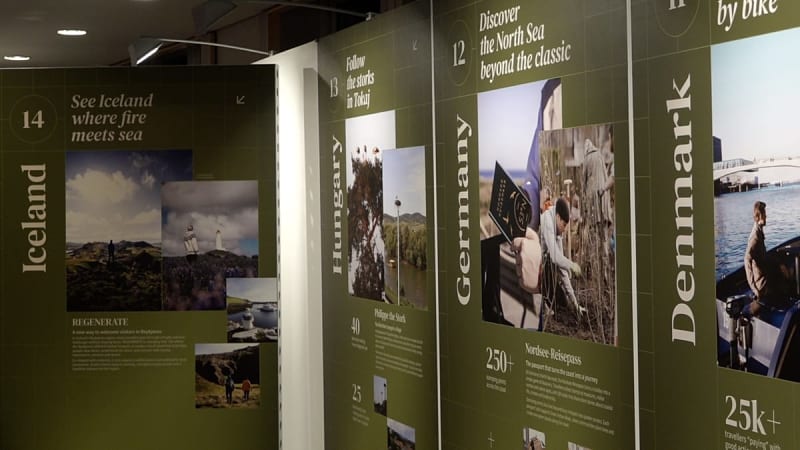
That's exactly what's happening across Europe, where creative tourism projects are transforming how we travel. An exhibition at the European Parliament in Brussels is highlighting innovations that prove good tourism can benefit everyone, from the environment to local communities to travelers with disabilities.
In Greece, a social enterprise called TOBEA has created Seatrac, a system that makes beaches accessible to people with reduced mobility. "Seatrac is the key point that gives them access to the water, without any help, without needing someone else to enjoy the sea," says Ignatios Fotiou, the organization's president. The adapted systems give wheelchair users independence they've never had at the beach before.
Along Germany's North Sea coast, tourists can buy a special passport that lets them collect stamps at museums and nature spots. QR codes at each location teach visitors about climate change impacts in the region. The best part? All revenues go toward planting trees.
"We try to protect our nature because that's the base of all the tourism in our region," explains Mario Schiefelbein, managing director at the German North Sea tourism agency. The program turns every tourist into a conservation partner.
In Serbia's Zasavica nature reserve, visitors can taste cheese made from donkey milk, but there's a catch. The rare delicacy is only sold on site, which draws tourists to the protected area. "Lots of people come to our reserve especially for the cheese and for the donkeys. So we try to reinvest those funds that we get from tourism into the nature reserve and conservation," says reserve director Vuk Simić.
Copenhagen took a different approach with CopenPay, letting tourists "pay" for experiences with good deeds instead of money. Pick up litter or rent a bike, and you might get free museum entry or meal discounts.
The Ripple Effect
These projects show tourism doesn't have to mean overcrowding, environmental damage, or barriers for people with disabilities. When done right, it can fund conservation, create accessible spaces, and engage travelers in protecting the places they visit. The European Commission plans to publish an EU Strategy for Tourism this year to address overtourism and environmental concerns, but these innovators aren't waiting around.
They're already building the future of travel, one beach ramp and donkey cheese at a time.
Based on reporting by Euronews
This story was written by BrightWire based on verified news reports.
Spread the positivity!
Share this good news with someone who needs it