EV Batteries Stay Healthy After 93,000 Miles, Study Shows
The largest independent study of electric vehicle batteries just crushed the biggest worry about buying used EVs. Over 500,000 battery tests reveal that the best models still deliver more than 93% of their original range after six years of driving.
If you've been worried about buying a used electric vehicle because of battery degradation, the world's largest battery health study has news that might change your mind.
Austrian diagnostics firm AVILOO just published results from over 500,000 real-world battery tests across 20 popular EV models. The findings are striking: the top performers still retain more than 93% of their original battery capacity after 93,000 miles of driving.
The Mercedes EQA led the pack at 94% battery health, followed closely by the Hyundai IONIQ 5 at 93.8% and the BMW i4 at 93.6%. The Hyundai Kona EV and Volvo XC40 Recharge rounded out the top five, both holding above 92.7% capacity.
What makes this study different is how AVILOO measured battery health. Instead of relying on what the car's dashboard reports, they used a physical diagnostic test on over one million vehicles across multiple continents. Mercedes-Benz, Volvo, and Porsche dealerships now use AVILOO as their preferred battery testing provider.
The results tell a clear story: these batteries aren't wearing out the way many feared they would. Even after the equivalent of six years of typical driving, the loss is minimal enough that most drivers would barely notice the difference in daily range.
Smaller battery packs showed more wear, which makes sense when you think about it. A 40 kWh battery has to charge far more often than a 78 kWh battery to cover the same distance, and those extra charging cycles add up. The Nissan Leaf, MINI Cooper SE, and Renault Zoe all have smaller packs and landed at the bottom of the rankings.
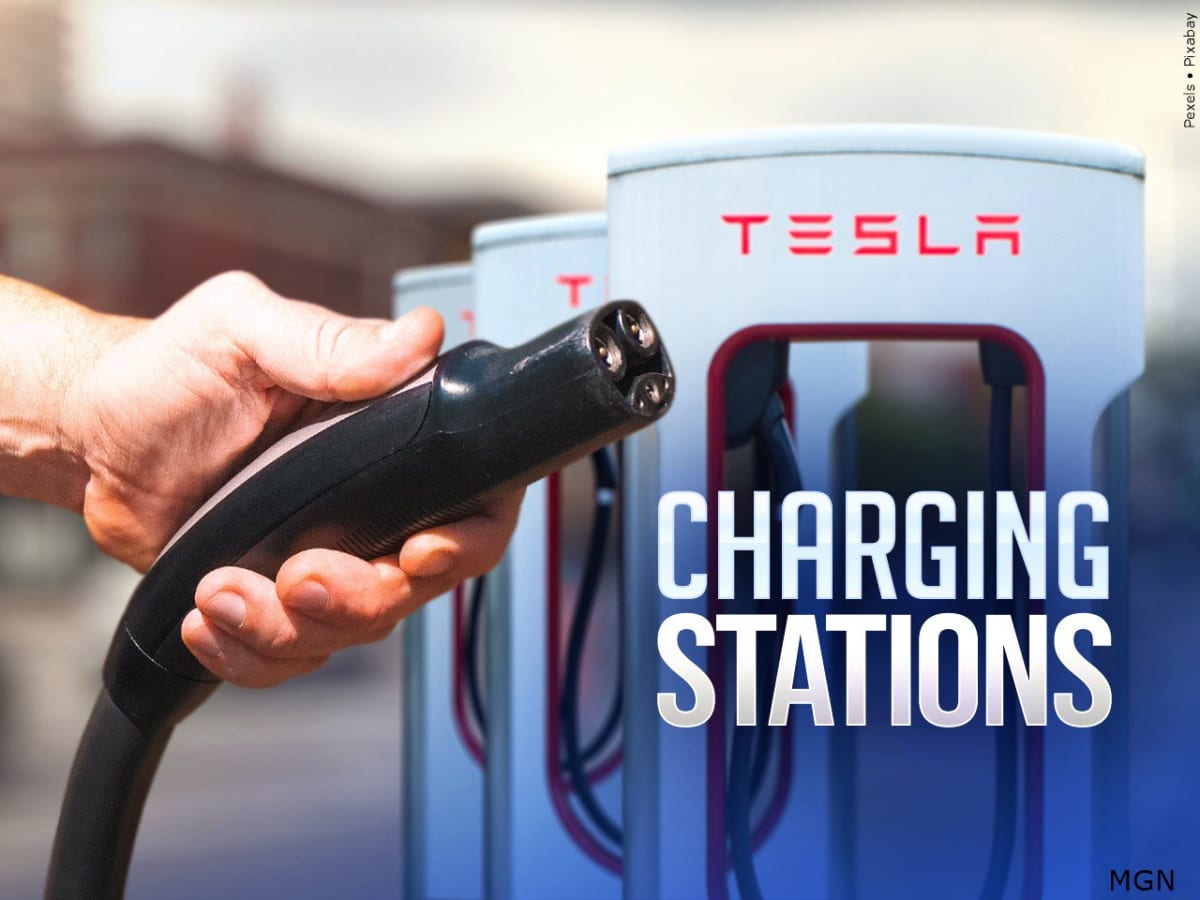
Interestingly, both Tesla models finished in the bottom third despite being the world's best-selling EVs. The Model Y scored 90.3% battery health at 93,000 miles, while the Model 3 came in at 88.9%. Those numbers are still perfectly acceptable for daily driving, just not class-leading.
The Bright Side
Here's the real win buried in this data: battery degradation slows down over time. The biggest drop happens in the first 100,000 miles, then the decline levels off. That means if you're buying a used EV that's already at 90% battery health, it's likely to stay close to that level for many more years.
There's an important catch though. The gap between the best and worst individual examples of the same model can be as much as 13.5%. That's why AVILOO launched a battery warranty program in 12 European countries, paying out up to $3,600 if a tested battery drops below its certified health level within a year.
The study confirms what early EV adopters already knew from experience: range anxiety about battery degradation was largely overblown. These batteries are built to last, and the data proves it across hundreds of thousands of real vehicles on real roads.
More Images



Based on reporting by Electrek
This story was written by BrightWire based on verified news reports.
Spread the positivity!
Share this good news with someone who needs it