Everest's Summit Was an Ancient Tropical Ocean Floor
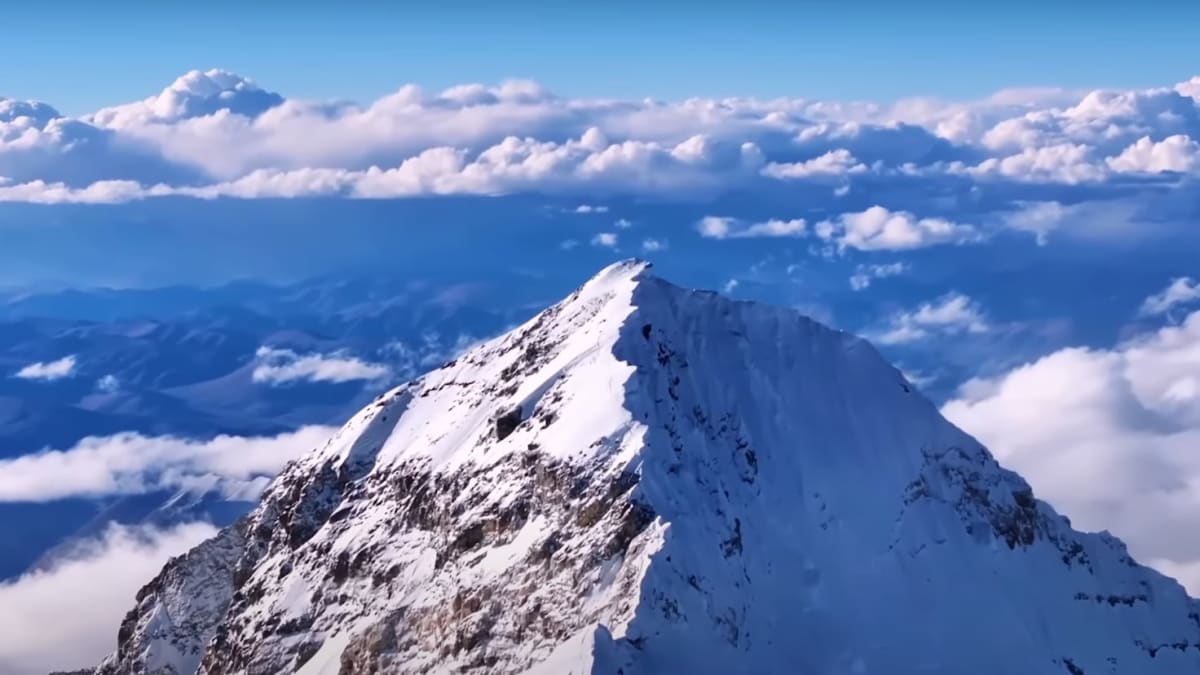
Scientists confirmed 450-million-year-old sea creature fossils at Mount Everest's peak, proving the world's highest point was once a thriving ocean floor. The discovery offers stunning proof that our planet's surface is constantly reshaping itself.
📺 Watch the full story above
The roof of the world was once the bottom of the sea, and now we have the fossils to prove it.
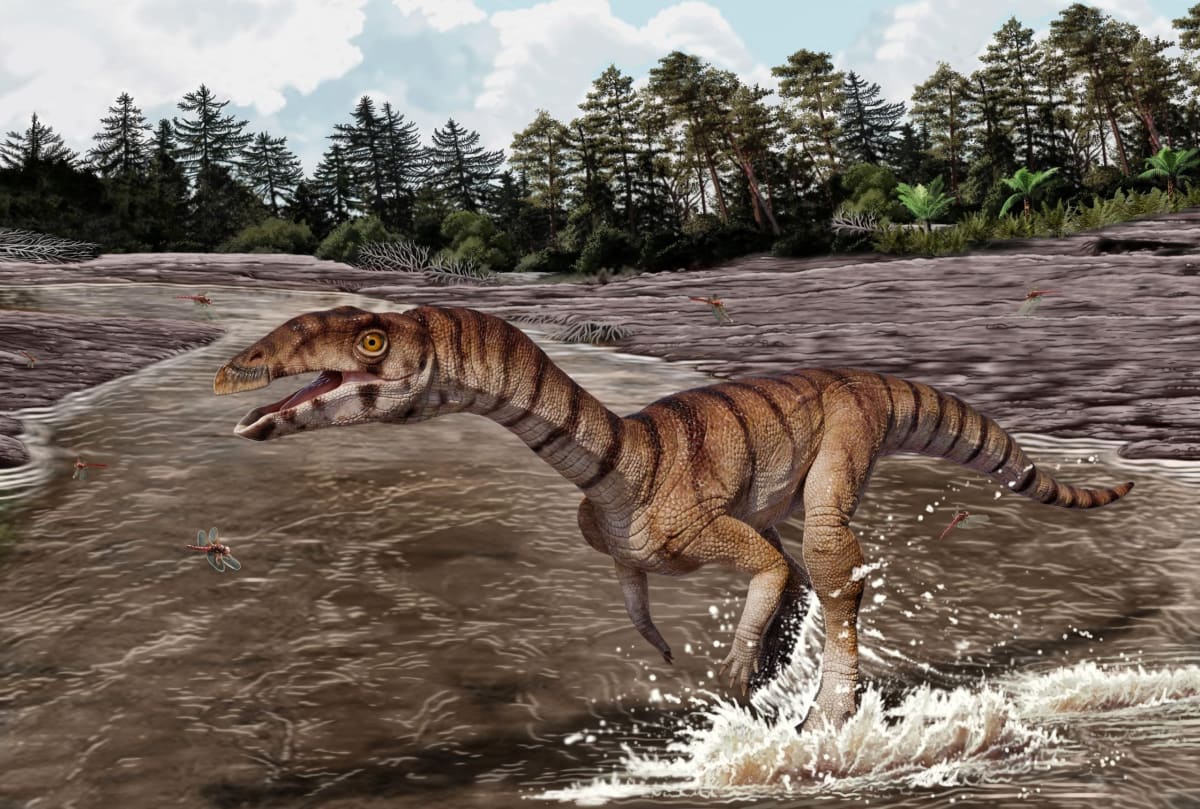
Researchers recently confirmed an extraordinary discovery on Mount Everest: marine fossils from 450 million years ago sitting more than 13,000 feet above sea level. Inside limestone rocks near the summit, scientists found the preserved remains of crinoids, trilobites, cephalopods, and brachiopods—creatures that once swam through warm, shallow tropical waters.
These ancient animals lived in the Tethys Ocean, which covered the region hundreds of millions of years ago. The seafloor sediments that buried them slowly transformed into the limestone rocks that now form the peak of the world's tallest mountain.
The transformation happened through one of Earth's most powerful forces: moving continents. About 50 million years ago, the Indian continental plate crashed into the Eurasian plate with such tremendous force that it folded and lifted massive layers of ancient seafloor thousands of feet into the sky, creating the Himalayan mountain range.
This isn't a process frozen in the past. The Himalayas continue rising about a third of an inch each year as the two plates keep pressing against each other.
Why This Inspires
This discovery does more than reveal Everest's watery past. It stands as living proof of German scientist Alfred Wegener's once-controversial theory of continental drift from 1915.
When Wegener first proposed that continents could move, many scientists dismissed the idea as impossible. Finding sea creatures on mountaintops seemed absurd until discoveries like this one proved our planet's surface is constantly changing, reshaping, and evolving.
Every piece of limestone at Everest's summit tells a story of transformation that spans hundreds of millions of years. What seems permanent and unchanging—even the highest peaks on Earth—is actually part of an ongoing dance of geological forces that never stops.
The fossils remind us that change, even when it seems impossibly slow, is the most constant force in nature.
More Images

Based on reporting by Google: fossil discovery
This story was written by BrightWire based on verified news reports.
Spread the positivity!
Share this good news with someone who needs it