Every Family Has Its Own Secret Language, Study Finds
Linguists discovered that every family develops its own unique dialect filled with inside jokes, made-up words, and quirky phrases that outsiders wouldn't understand. These "familects" serve a powerful purpose: strengthening family bonds and creating lasting connections.
Does your family have words that would sound completely bizarre to anyone else? You're not alone, and there's actually a name for it.
Georgetown University linguist Cynthia Gordon has spent 25 years studying what she calls "familect." It's the private language every family creates without even trying. These aren't words passed down intentionally but rather little linguistic accidents that stick around forever.
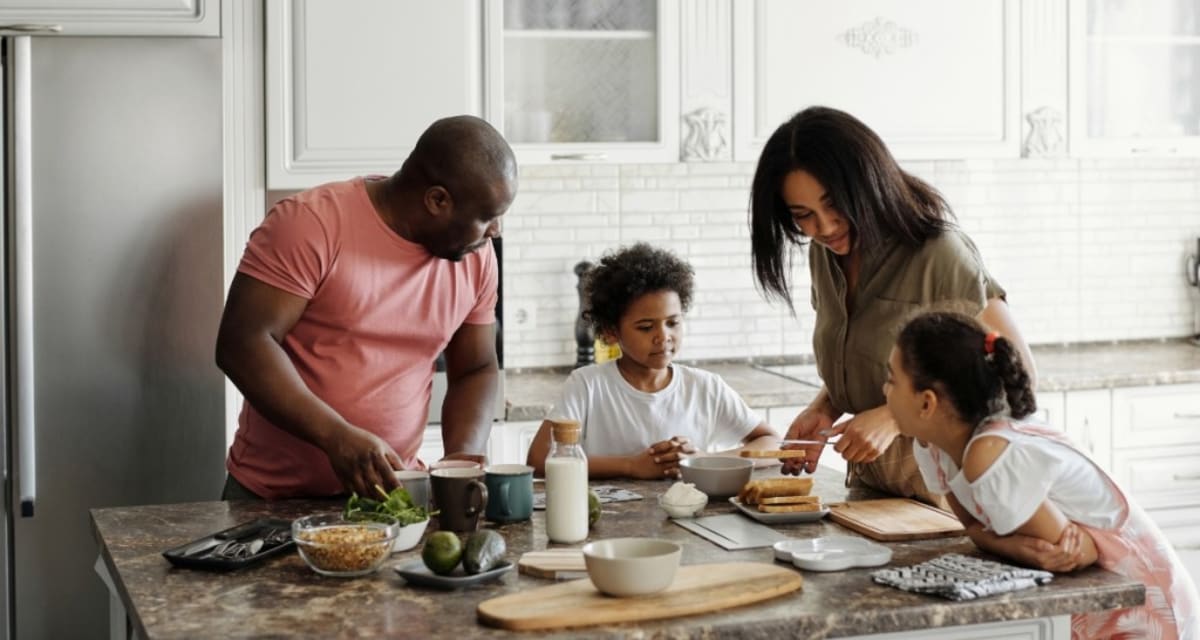
Gordon had families record themselves doing everyday activities like making dinner, running errands, and doing chores. She discovered something wonderful: each family was building its own secret world through language.
Maybe it started with a toddler mispronouncing "spaghetti" as "spasketti" and now everyone says it. Perhaps the TV remote has a nickname no guest would ever guess. These words rise from ordinary moments, get repeated, and eventually become permanent fixtures in family vocabulary.
Writer Steph Balzer noticed this firsthand when visiting her sister's family in Tucson. Her brother-in-law said "de do" instead of "thank you." Her sister called their cats "mishmouths" and served something called "Kwaj Dinner," a pasta dish named after the Army base where she first created it.
Gordon explains that just like states have regional dialects, families develop their own unique speech patterns. "Each of these families was really its own little unique social world, and that world was being constructed through language," she told National Geographic.
The Ripple Effect
The impact of familect goes beyond silly words. Experts say these private dialects help families bond and create cohesive units. They're linguistic shortcuts that say "you belong here."
The benefits extend even further. Familect helps repair relationships after arguments because using those special words reaffirms the connection everyone shares. It's a gentle reminder that despite disagreements, you're still part of the same team.
Some families carry forward regional terms from where parents grew up. A North Carolina family living in California might still call sandwich crackers "Nabs," keeping a piece of their heritage alive through language.
Gordon calls familect "a resource that human beings use to tie themselves to other people and bind themselves into a family." These words are living dialects that change as people age, with some terms fading and new ones constantly emerging.
Your family's unique language is a gift, even if outsiders think you sound a little strange.
More Images


Based on reporting by Upworthy
This story was written by BrightWire based on verified news reports.
Spread the positivity!
Share this good news with someone who needs it