EVs Reach 800+ Miles on New Solid-State Battery Tech
Electric vehicles could soon travel over 800 miles on a single charge thanks to revolutionary solid-state batteries now moving from labs to real-world testing. Multiple automakers are rolling out prototypes this year, with mass production planned for 2027.
The "holy grail" of electric vehicle technology is finally becoming a reality, and it could change how we think about road trips forever.
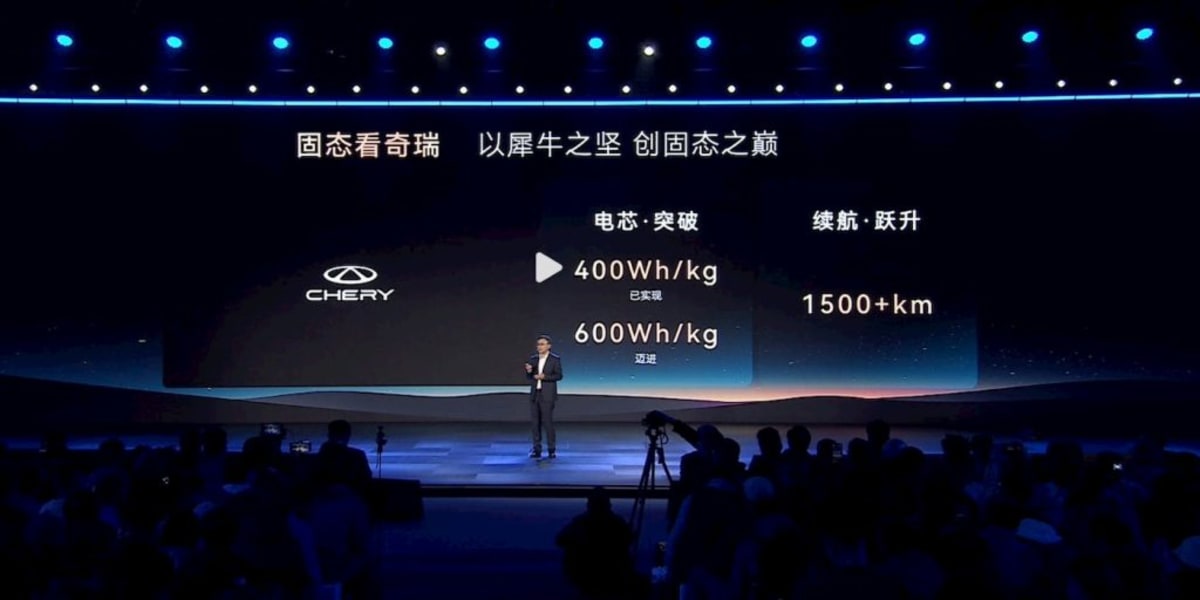
Solid-state batteries, which promise to double the driving range of current EVs, are making the leap from laboratory experiments to actual vehicles. Chinese automaker Chery just unveiled an all-solid-state battery that delivers 932 miles of range, while several other manufacturers are testing similar technology in extreme conditions.
This isn't just talk. Dongfeng Motors has already begun testing solid-state prototypes in freezing temperatures with 620 miles of range. Changan Automobile plans to start installing its "Golden Bell" batteries in vehicles by late 2026, also targeting over 900 miles per charge.
The technology works by replacing liquid electrolytes with solid materials, creating batteries with much higher energy density. Chery's new battery packs 600 watt-hours per kilogram, compared to traditional lithium-ion batteries that max out around 250.
Speed matters too. Chery's semi-solid-state battery can add 310 miles of range in just 8 minutes of charging. BYD recently launched charging stations delivering enough power to take a vehicle from 10% to 70% battery in 5 minutes.
The Ripple Effect
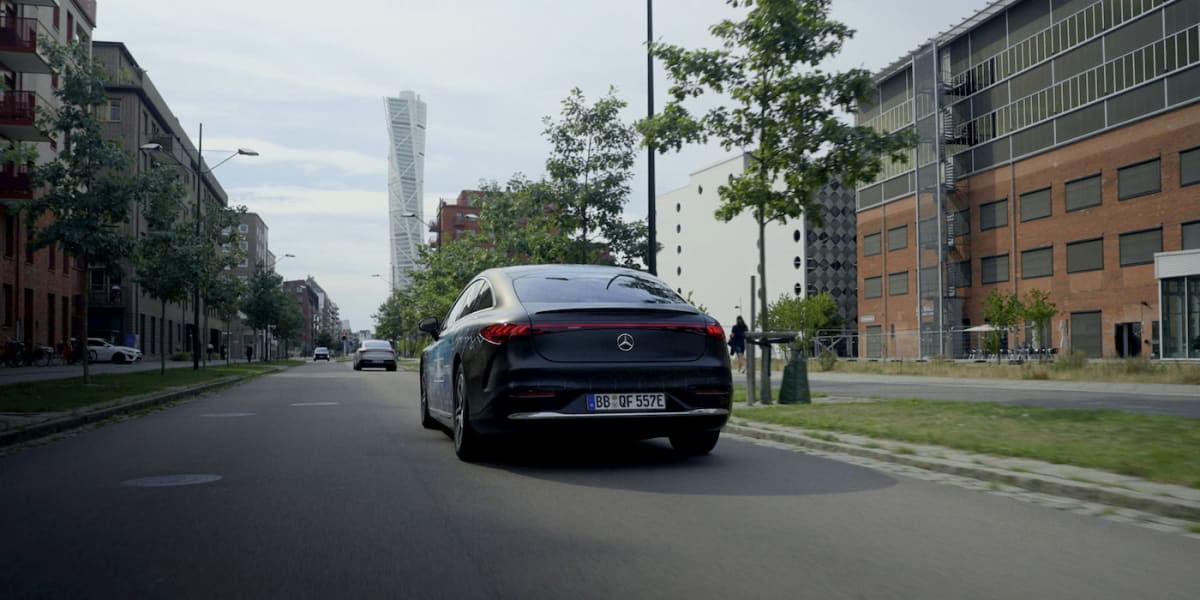
This breakthrough extends far beyond China's borders. US-based Factorial Energy partnered with Mercedes-Benz to drive a modified sedan 745 miles on solid-state cells last September. The company now works with major automakers including Stellantis, Hyundai, and Kia.
Factorial's batteries achieve 450 watt-hours per kilogram and could power commercial vehicles by 2027. That's an 80% improvement over today's standard EV batteries, potentially delivering over 600 miles of range.
The timing couldn't be better. As gas prices remain volatile and climate concerns grow, these batteries make electric vehicles more practical for everyone from daily commuters to road-tripping families. BYD and CATL, which together supply over half the world's EV batteries, both plan small-scale production starting in 2027.
While most drivers don't need 800 miles of range, the technology proves EVs will keep getting better, safer, and more efficient. Lower weight and improved safety mean future electric vehicles could cost less while offering more interior space.
The race is on worldwide, with Japan, Europe, and Korea all pushing to commercialize solid-state technology alongside Chinese and American companies.
Range anxiety for electric vehicles is about to become a thing of the past.
More Images


Based on reporting by Electrek
This story was written by BrightWire based on verified news reports.
Spread the positivity!
Share this good news with someone who needs it