Ex-Civil Servant Turns 35 Acres of Desert Into Tiger Haven
A former government officer and his wife bought barren farmland near India's Ranthambore Tiger Reserve and let nature do the rest. Twenty years later, their wildlife refuge draws tigers, leopards, and dozens of other species back home.
Aditya and Poonam Singh looked at abandoned farmland near Ranthambore Tiger Reserve and saw something nobody else did: a second chance for wildlife running out of room.
Aditya was a 1992 civil service officer living comfortably in Delhi when he first visited Ranthambore in 1984. Poonam followed four years later and witnessed the famous tigress Machali with her cubs, an encounter that changed everything for both of them.
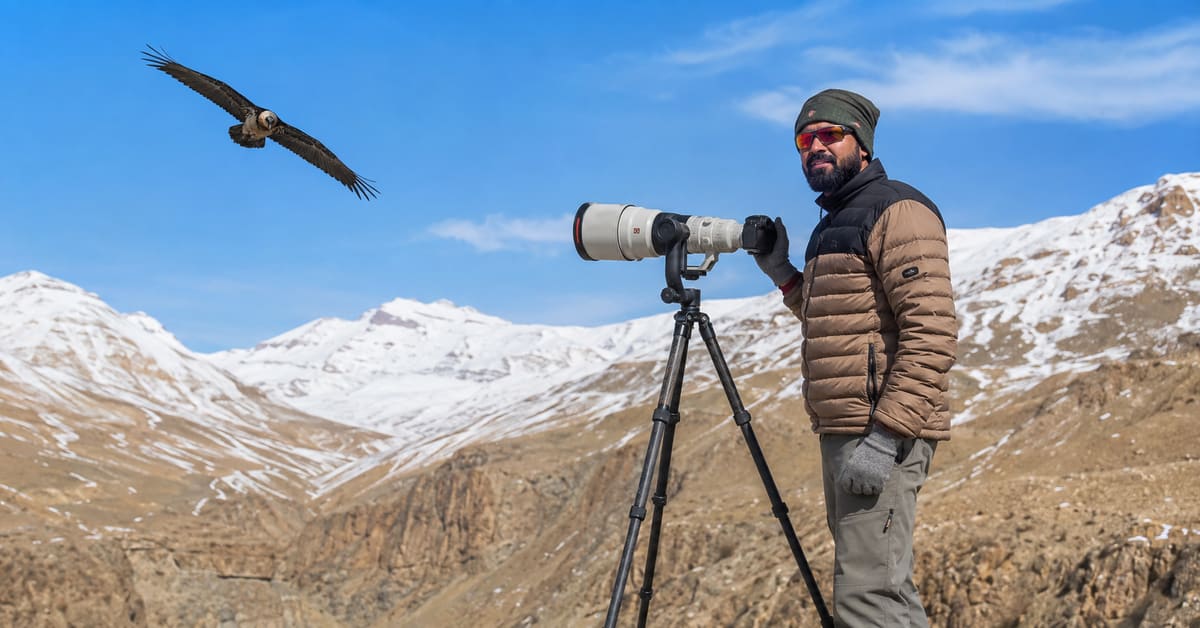
By 1998, the couple had moved from Delhi to Sawai Madhopur. Aditya left his government job to become a wildlife photographer while Poonam ran a tourist lodge.
They noticed tigers and other animals wandering into farmland looking for food and water. Farmers faced destroyed crops and dangerous encounters, and many started selling their land just to escape the conflict.
Starting in 2000, Aditya and Poonam began buying these abandoned plots around Bhadlav. Over two decades, they assembled more than 35 acres and did something radical: almost nothing.
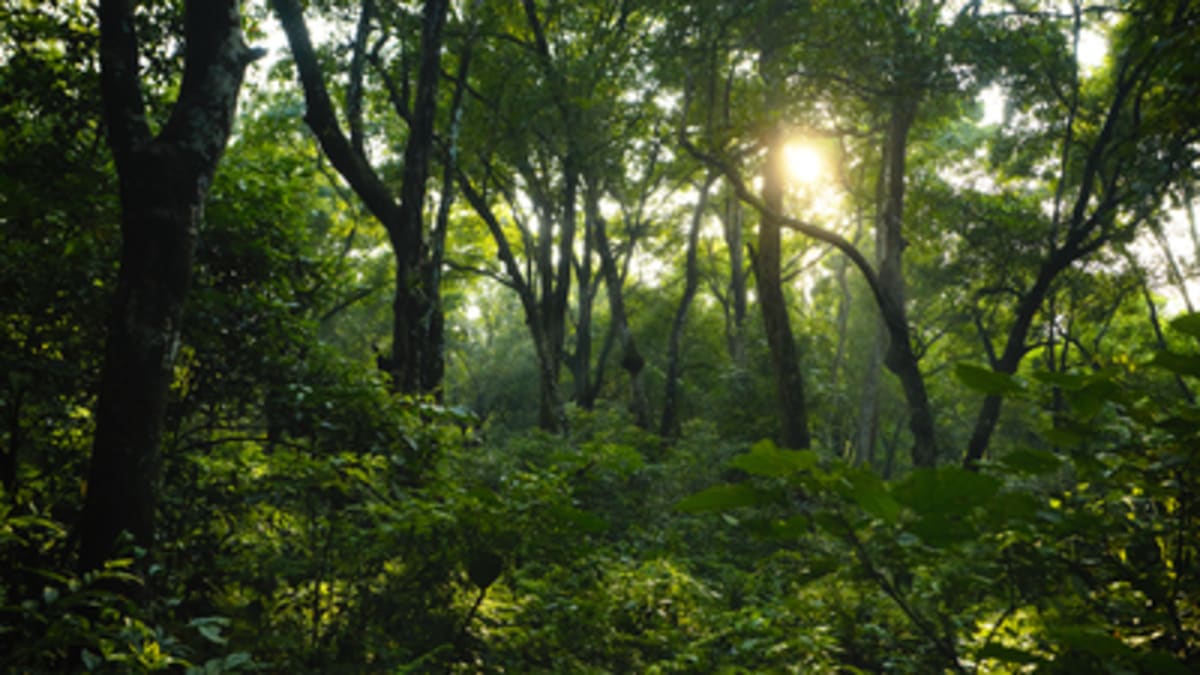
Instead of heavy landscaping or planting projects, they simply protected the land from overgrazing and tree cutting. Native trees and shrubs returned on their own, water holes naturally formed, and the couple maintained them for thirsty animals.
They hired local villagers as forest guards, including Sumer, who grew up near Ranthambore and has worked at Bhadlav for around twenty years. This community approach aligns with India's National Tiger Conservation Authority guidelines emphasizing habitat connectivity and local involvement.
The Ripple Effect
The restored land attracted prey animals first: deer, nilgai, and wild boar found food and shelter. Predators followed their dinner, and soon tigers became regular visitors alongside leopards, snakes, and dozens of bird species.
The water sources proved especially vital during Rajasthan's brutal summers when temperatures soar. Animals that might have wandered into villages for water now had safer options.
Bhadlav's 35 acres can't solve India's habitat loss crisis alone, but it proves a powerful concept: degraded land can heal when given protection and time. It shows that conservation works best when local communities benefit rather than suffer from wildlife proximity.
For farmers nearby, the refuge means fewer desperate animals raiding their crops. For tigers, it means connected habitat where they can hunt and rest between territories.
The Singhs never set out to build a forest from scratch, just to create breathing room where animals and humans could coexist a little more peacefully.
More Images



Based on reporting by Times of India - Good News
This story was written by BrightWire based on verified news reports.
Spread the positivity!
Share this good news with someone who needs it