Ex-Migrant Worker Now Helps Thousands in Bengaluru
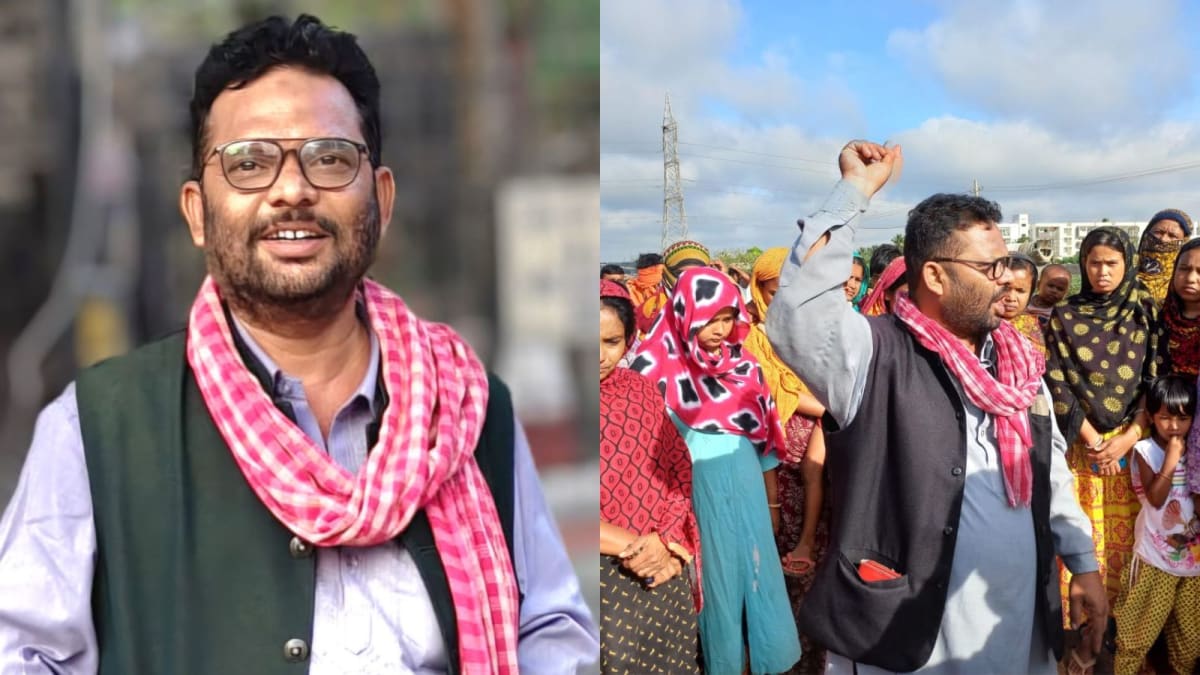
After sleeping hungry on Bengaluru's streets, R Kaleemullah spent 30 years building a lifeline for vulnerable migrant workers. He's the first call thousands make when facing unpaid wages, eviction, or police harassment.
When migrant workers in Bengaluru face unpaid wages, sudden evictions, or police harassment, they call R Kaleemullah first.
The 51-year-old arrived in India's tech capital three decades ago with nothing. He cleaned refrigerators for five rupees a day and often tied water-soaked cloths around his stomach to fight hunger pangs. Some days he couldn't afford the bus fare, so he bought one ticket to learn the route, then walked it every day after.
Those experiences shaped everything that followed. Today, Kaleemullah serves as national vice-president of All India Shramik Swaraj Kendra, a labor union. Over 30 years, he's built a network of lawyers, social workers, and volunteers who mobilize when workers need help.
His education ended at Class 10 when a school headmaster demanded an illegal re-admission fee his father refused to pay. But Kaleemullah found a different kind of classroom on Bengaluru's streets. He sat through legal consultations, learned government procedures, and accompanied workers to police stations.
"My education came from living in the streets," he says. "I spent years sitting with people during their worst moments. That's where I learned how the law works, and how easily it can work against those who are poor."
By 2002, his work expanded beyond individual cases. He volunteered at relief camps after Gujarat's communal violence, joined campaigns opposing slum demolitions, and began helping women facing domestic violence through a local rights organization.
The pandemic brought another surge. His volunteer network reached workers from Assam, Manipur, West Bengal, Tamil Nadu, and beyond. Many still call him years later when problems arise.
Why This Inspires
Kaleemullah's story shows how lived experience can become expertise. He never planned to be a social worker, but his own vulnerability taught him to recognize pain in others instantly. That empathy, combined with three decades of grassroots learning, created something formal education couldn't: deep credibility with the people who need help most.
He works without fanfare at police stations, hospital corridors, and crowded worker settlements. His phone rings constantly with people who've hit walls and don't know where else to turn.
One person who survived the streets now helps thousands navigate them.
Based on reporting by Indian Express
This story was written by BrightWire based on verified news reports.
Spread the positivity!
Share this good news with someone who needs it