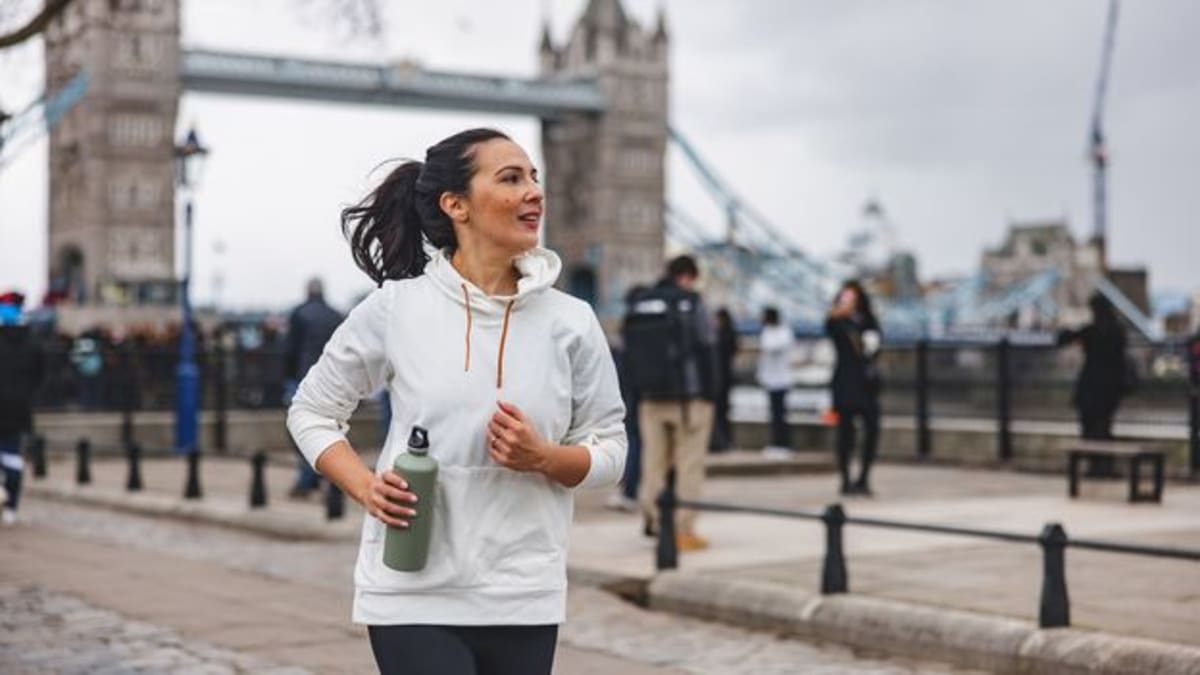
Exercising in Polluted Cities Still Reduces Death Risk 26%
New research reveals that even in air-polluted cities, exercising outdoors lowers your risk of early death by 26%. Scientists also share simple strategies to maximize the benefits while minimizing exposure to harmful particles.
Worried that your morning jog through city traffic might be doing more harm than good? Science has encouraging news for urban exercisers everywhere.
Researchers have confirmed what many city dwellers wondered: yes, you're breathing in more pollution when you exercise outdoors. But the health benefits still outweigh the risks in most places.
A recent review found that exercising in polluted environments reduces your risk of early death by 26% compared to staying inactive. Exercising in cleaner air boosts that benefit to 31%, but the takeaway is clear. Moving your body matters more than perfect air quality.
The science is surprisingly straightforward. When we exercise, we breathe faster and deeper, which means we inhale more polluted air than when walking or sitting. Those tiny particles, called PM 2.5, are 30 times smaller than a human hair and can travel through our lungs into our bloodstream.
Dr. Audrey de Nazelle from Imperial College London studies how pollution affects exercise. Her 2016 modeling study found that walking and cycling benefits outweigh pollution harms in nearly every city. Only in exceptionally polluted places like Delhi do the risks begin to match the benefits during prolonged exercise.
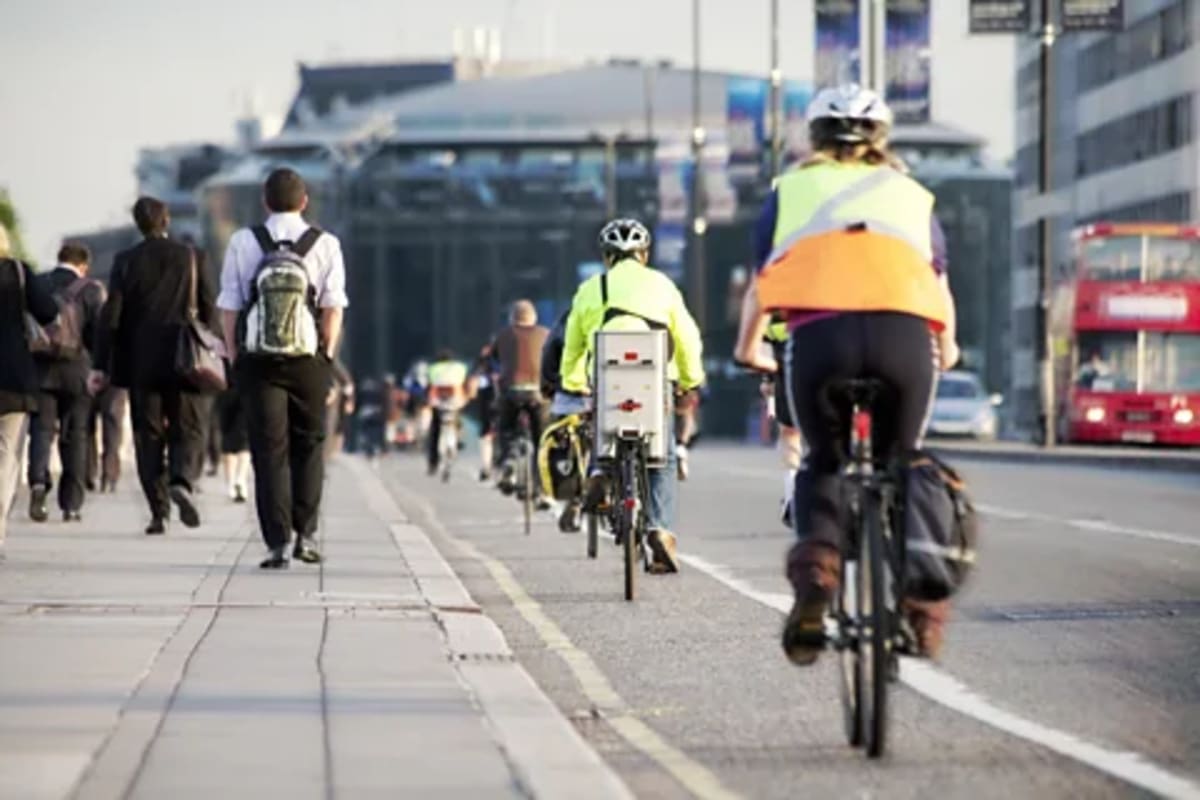
Even sitting in your car doesn't fully protect you. Dr. Rudy Sinharay, a respiratory physician, found that cyclists actually have lower pollution exposure than drivers because they're moving through air rather than sitting in stagnant traffic.
A 2018 study tracked people walking for two hours in both a London park and along busy streets. Those in cleaner air showed improved lung and blood vessel function. The group exposed to higher pollution still saw benefits, just smaller ones.
Exercise may actually protect our bodies from pollution damage. Studies show it still improves lung function and lowers blood pressure in polluted areas, and can even counteract some cognitive impacts of dirty air.
The Bright Side
Simple strategies can maximize your outdoor exercise benefits. Timing matters: pollution peaks during rush hours, so early morning or evening workouts often mean cleaner air. Route choices help too. Side streets typically have less traffic than main roads, and parks offer natural barriers.
Underground transport like subways can contain high concentrations of metal-rich dust from wheels and brakes. If you have asthma or heart conditions, consult your doctor about exercising outdoors during high pollution days.
For healthy people in most cities, the message is clear: keep moving. Your body benefits from exercise far more than it suffers from typical urban air quality.
The choice to stay active in your city isn't just safe—it's one of the best health decisions you can make.
More Images
Based on reporting by BBC Future
This story was written by BrightWire based on verified news reports.
Spread the positivity!
Share this good news with someone who needs it