Exoskeletons Hit Consumer Market to Help People Move Easier
Robotic exoskeletons are moving beyond hospitals and into everyday life, helping aging adults walk farther and making movement easier for millions. From Nike's powered footwear to rental devices at China's Great Wall, these "wearable e-bikes" could transform how we age.
Imagine taking off a lightweight robotic device and suddenly feeling like you're trudging uphill, even though you're on flat ground. That's what biomechanical engineer Daniel Ferris experiences with modern exoskeletons, and it's a sign these futuristic aids are finally ready for everyday use.
For decades, exoskeletons existed mainly in science fiction and rehabilitation clinics. They helped people with spinal cord injuries or stroke survivors relearn to walk. But now researchers and companies are shifting from replacing lost function to augmenting what people can already do.
The timing couldn't be better. The number of people worldwide aged 60 or older will reach 2.1 billion by 2050, according to the World Health Organization. Countries like Japan, China and Italy are aging rapidly, and millions could benefit from devices that make walking less exhausting or take pressure off arthritic knees.
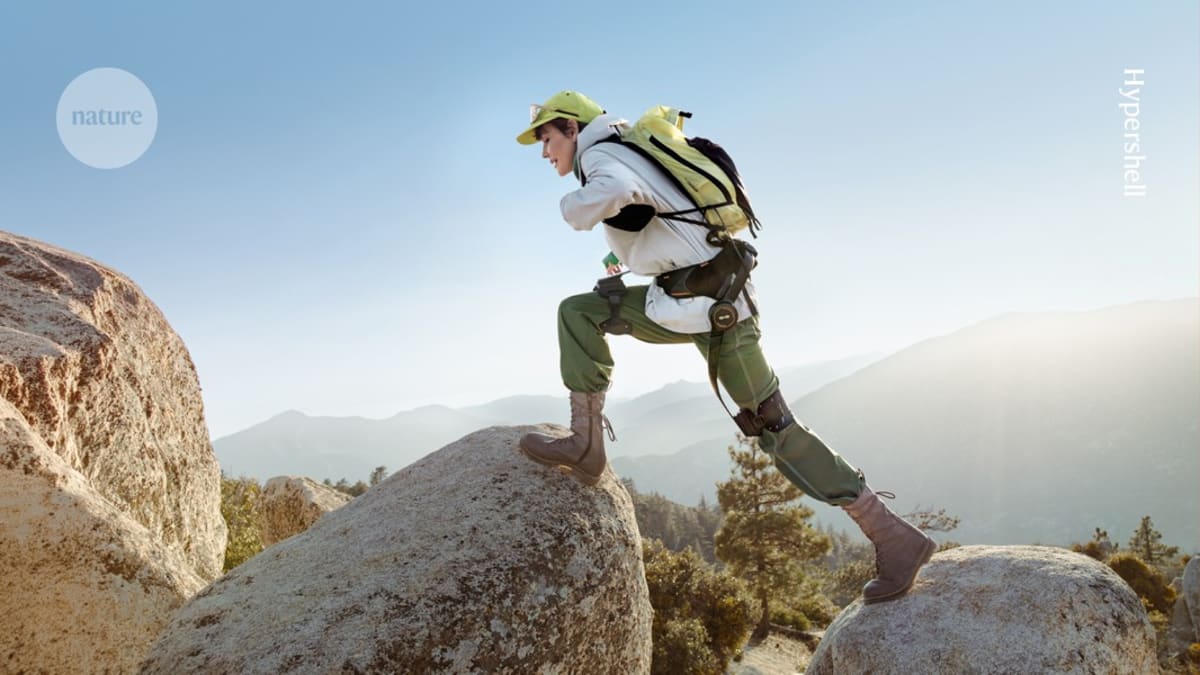
These new exoskeletons look nothing like Iron Man's suit. Modern devices provide just 25 to 30 percent of the force your joints generate, enough to compensate for age-related decline or arthritis without making you dependent. Roboticist Robert Gregg calls them "wearable e-bikes" for your body.
The technology is getting smarter too. New artificial intelligence systems estimate how your hips move in real time, adjusting to different walking speeds, inclines and stair heights. Unlike older devices that followed preset patterns, these machines respond to whatever you're doing, whether standing from a chair or climbing stairs.
Companies are jumping in. Last October, Nike unveiled Project Amplify, a powered footwear prototype for everyday athletes who want to walk or run farther with less effort. Tourists visiting hilly sections of China's Great Wall can already rent exoskeletons to make the climb easier.
The devices are getting lighter and more flexible too. Older exoskeletons used small, fast motors that made joints feel rigid. Newer versions use bigger, slower motors that create smoother motion, letting wearers forget they're even wearing them.
In a small pilot study, people wearing Robert Gregg's motorized knee braces reported less pain during everyday activities. The devices reduced forces passing through their joints without taking over control of their movements.
The Ripple Effect
Beyond individual benefits, accessible exoskeletons could reshape aging itself. If devices help older adults stay active longer, they might prevent the muscle loss and isolation that often come with reduced mobility. Workers in physically demanding jobs could protect their joints from repetitive strain. Young adults could hike longer trails or explore cities without exhaustion limiting their adventures.
The technology still needs refinement. Exoskeletons must become cheaper, easier to fit for different body types, and light enough for all-day wear. Researchers are also studying whether regular use might cause muscle atrophy, though current evidence suggests the partial assistance preserves natural strength.
What seemed like science fiction 15 years ago is becoming science fact, one assisted step at a time.
More Images


Based on reporting by Nature News
This story was written by BrightWire based on verified news reports.
Spread the positivity!
Share this good news with someone who needs it