Extinct Koala Species Found in Western Australia
Scientists discovered a second koala species that lived in Western Australia until 30,000 years ago, revealing Australia's richer wildlife past. The find came from century-old cave fossils that finally included enough skull material to identify the unique species.
Australia was home to not one but two koala species, and scientists just figured this out from fossils hiding in museum collections for decades.
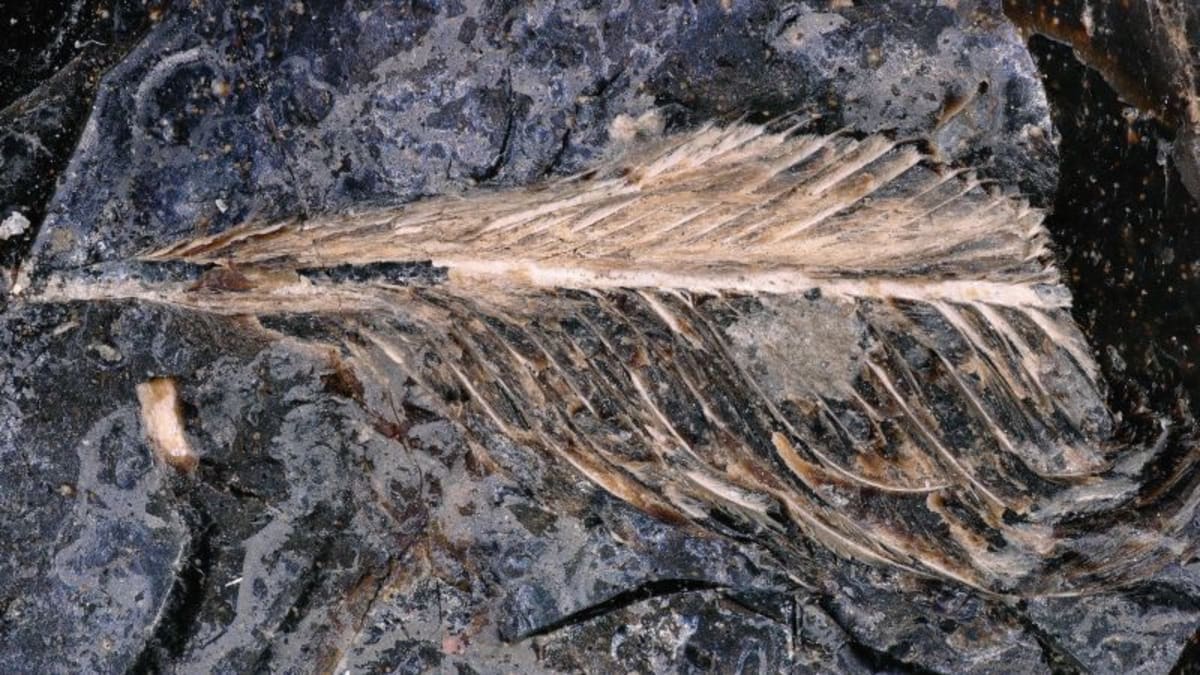
Researchers at the Western Australian Museum announced the discovery of Phascolarctos sulcomaxilliaris, a koala cousin that lived exclusively in Western Australia until it vanished around 30,000 years ago. The breakthrough came when the family of late cave explorer Lindsay Hatcher donated his collection, which included a remarkably preserved skull.
"Upon examination of that skull, we noticed differences with modern koalas that got us to start working on the fossil material in the collection," says Kenny Travouillon, the lead researcher. The fossils range from 137,000 to 31,000 years old.
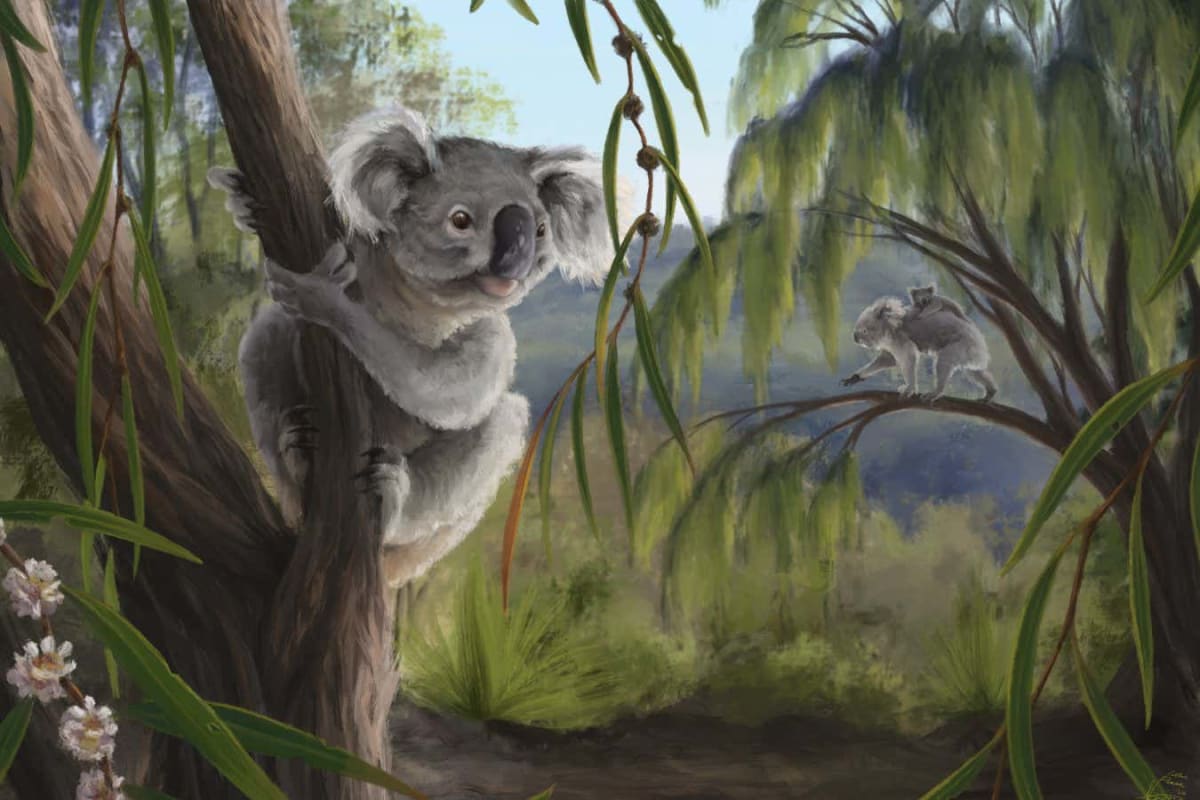
To most people, the Western koala would have looked nearly identical to today's eastern koalas. But subtle differences tell a fascinating story of adaptation.
The Western species had shorter heads and bigger teeth designed for a different chewing style. A large groove on its cheek suggests it had either a more powerful lip for grabbing leaves or larger nostrils for smelling food from greater distances.
These koalas were also less agile climbers, spending more time settled in trees rather than moving between them. They evolved perfectly for Western Australia's ancient forests.
Why This Inspires
This discovery reminds us how much we still have to learn about our own planet. Fossils collected over a century finally revealed their secret because patient scientists took another look with fresh eyes and better tools.
The find also gives us a window into an incredible lost world. Indigenous Australians lived alongside these Western koalas, plus Tasmanian devils, thylacines, giant echidnas, and massive marsupials that have all since disappeared.
Tim Flannery at the Australian Museum calls the study a "convincing case" and hopes DNA might eventually be extracted from the fossils. Each new discovery like this helps scientists understand how species adapt to their environments and what happens when those environments change.
The Western koala disappeared when climate shifts dried out the region's forests 30,000 years ago. Today's eastern koalas face their own challenges from habitat loss and disease, making this ancient cousin's story even more relevant.
Sometimes the most exciting discoveries are already sitting on shelves, just waiting for someone to look again.
More Images

Based on reporting by Google: fossil discovery
This story was written by BrightWire based on verified news reports.
Spread the positivity!
Share this good news with someone who needs it