New Koala Species Discovered Hiding in WA Caves for 100 Years
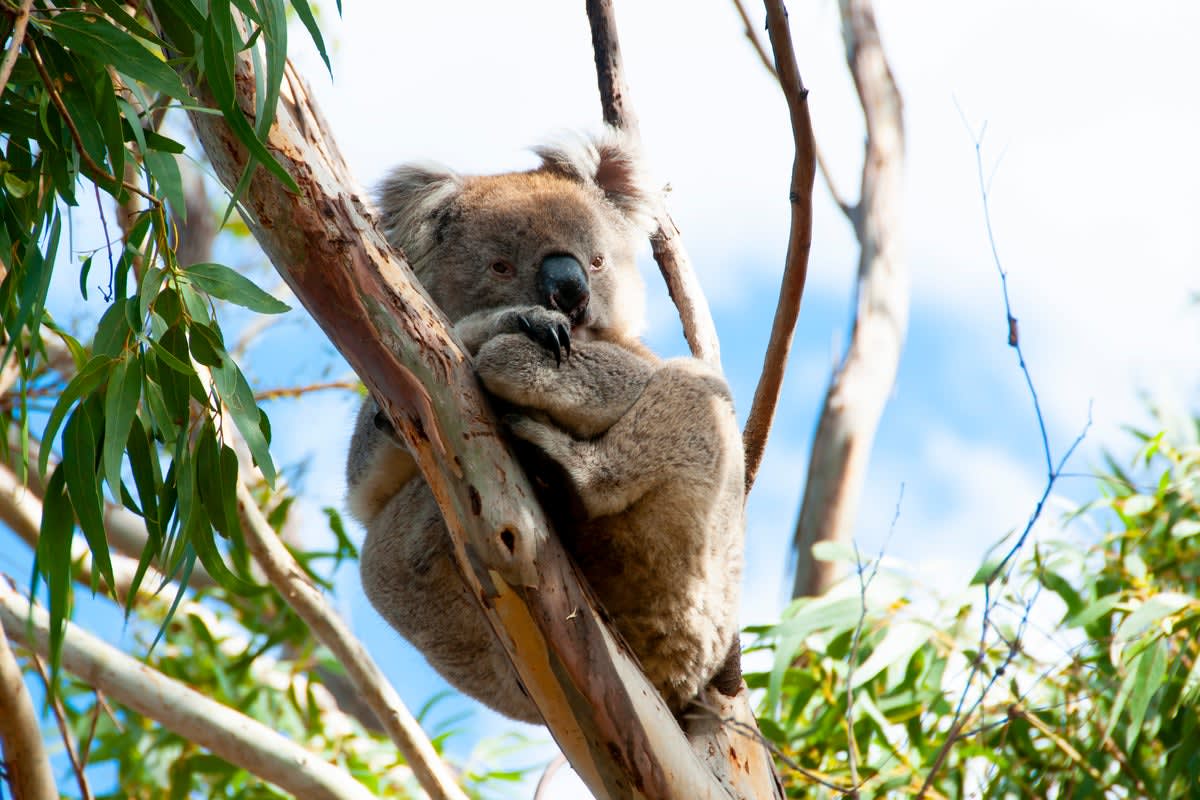
Scientists discovered that koala fossils in Western Australia aren't just ancient relatives—they're an entirely different species that lived until 28,000 years ago. The extinct koala had mysterious face grooves and a slimmer build than today's cuddly icons.
A donated skull sitting in a Western Australian Museum drawer just rewrote koala history. The fossil had something modern koalas don't: deep dimples in its cheeks that stumped scientists for over a century.
Lindsay Hatcher, an avid caver, originally collected the skull from Moondyne Cave near Margaret River. After his family donated it to the museum in 2024, researchers finally had enough complete specimens to crack the case.
For 114 years, scientists assumed Western Australia's fossil koalas were just stray populations of the modern species. They were wrong.
The new study in Royal Society Open Science reveals these WA koalas were actually a distinct species, now named Phascolarctos sulcomaxilliaris. The name means "grooved maxilla" after the skull's most striking feature: deep rounded grooves below the eye sockets.
These grooves likely gave the extinct koala a more mobile upper lip for manipulating tougher leaves. The species also had a shorter, more robust skull and longer, thinner bones that suggest a slimmer body than today's chunkier eastern cousins.
Three researchers ventured into the caves where Hatcher found the fossils, working with the Western Australian Speleological Group. They explored Koala Cave in Yanchep and Moondyne and Foundation Caves near Margaret River to determine the specimens' ages.
Dating revealed the species went extinct roughly 28,000 years ago. Around that time, the climate turned colder and drier, and southwestern eucalyptus forests shrank dramatically for nearly 10,000 years.
Why This Inspires
This discovery proves nature still holds secrets waiting in plain sight. Four koala species have now walked Australia over the last few million years, including the giant Pleistocene koala that was nearly double the size of living koalas.
The finding also shows the power of citizen scientists like Hatcher. His careful collection and his family's thoughtful donation made groundbreaking research possible decades later.
Understanding how past climate shifts transformed habitats helps scientists anticipate risks facing Australia's remaining koalas today. The WA koala's extinction reminds us that even adaptable mammals vanish when forests shrink too quickly.
Every fossil tells a story, and this one just added a whole new chapter to Australia's natural history.
More Images


Based on reporting by Google: fossil discovery
This story was written by BrightWire based on verified news reports.
Spread the positivity!
Share this good news with someone who needs it