FAA Tests Pilotless Cargo Drone That Lifts 500 Pounds
The FAA just completed its first test of a hybrid-electric cargo aircraft that flies without a crew and can lift over 500 pounds to remote locations. The breakthrough could transform how emergency supplies reach disaster zones and offshore workers.
When hurricanes knock out roads or offshore oil rigs need urgent equipment, getting heavy supplies to people quickly becomes nearly impossible. The FAA just tested technology that could change that reality.
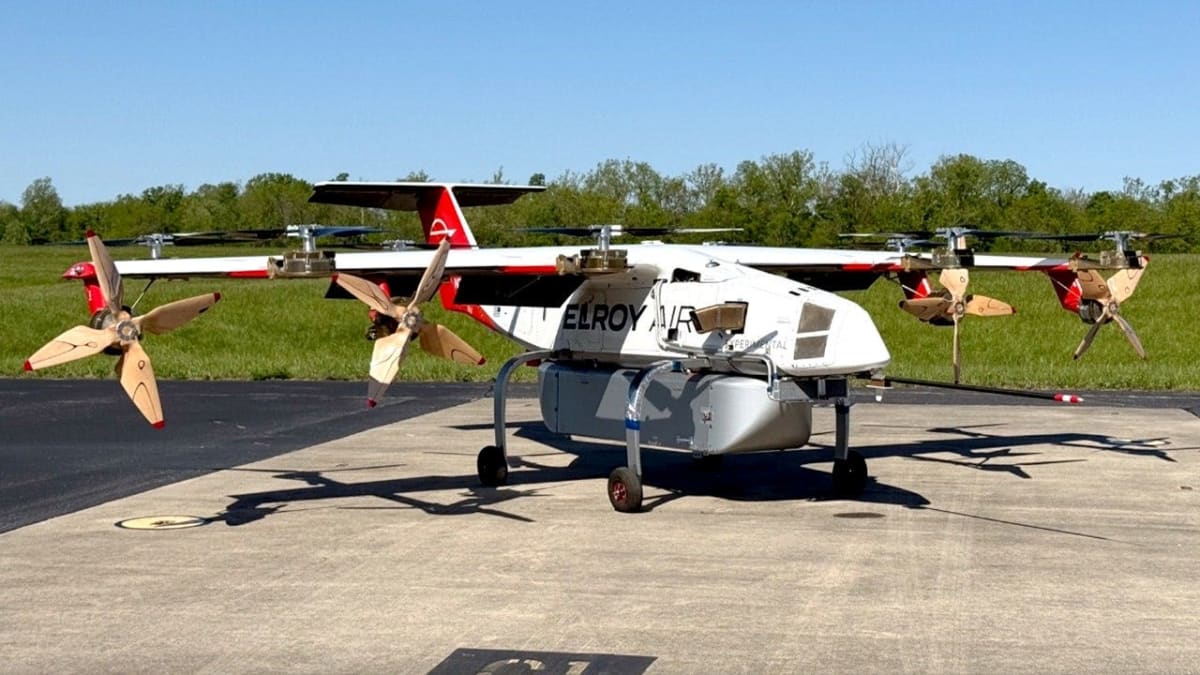
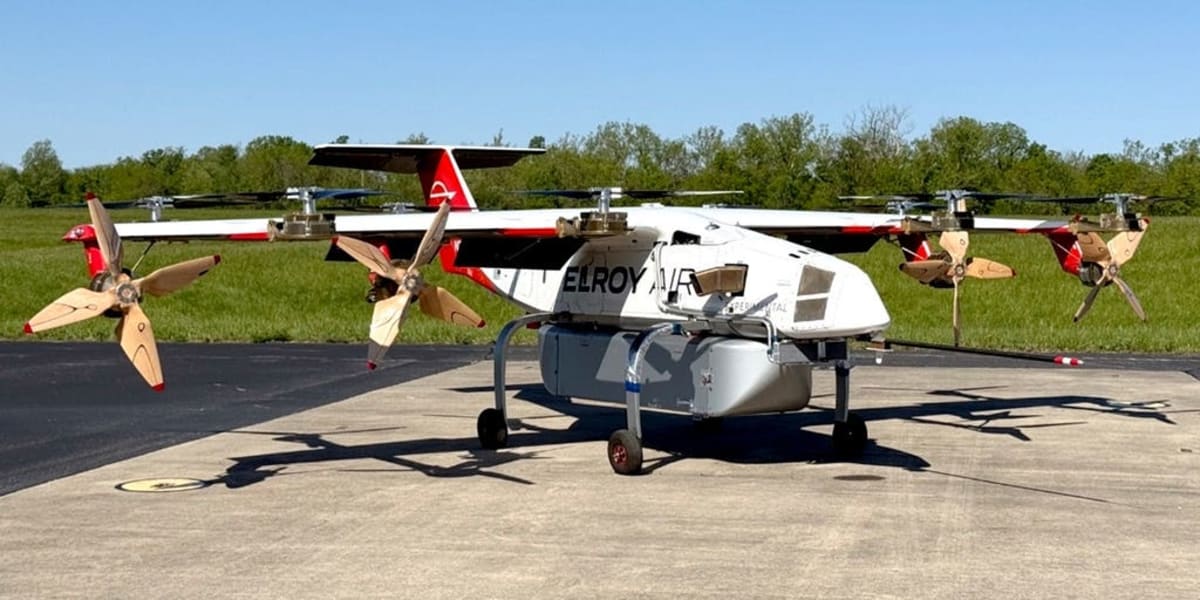
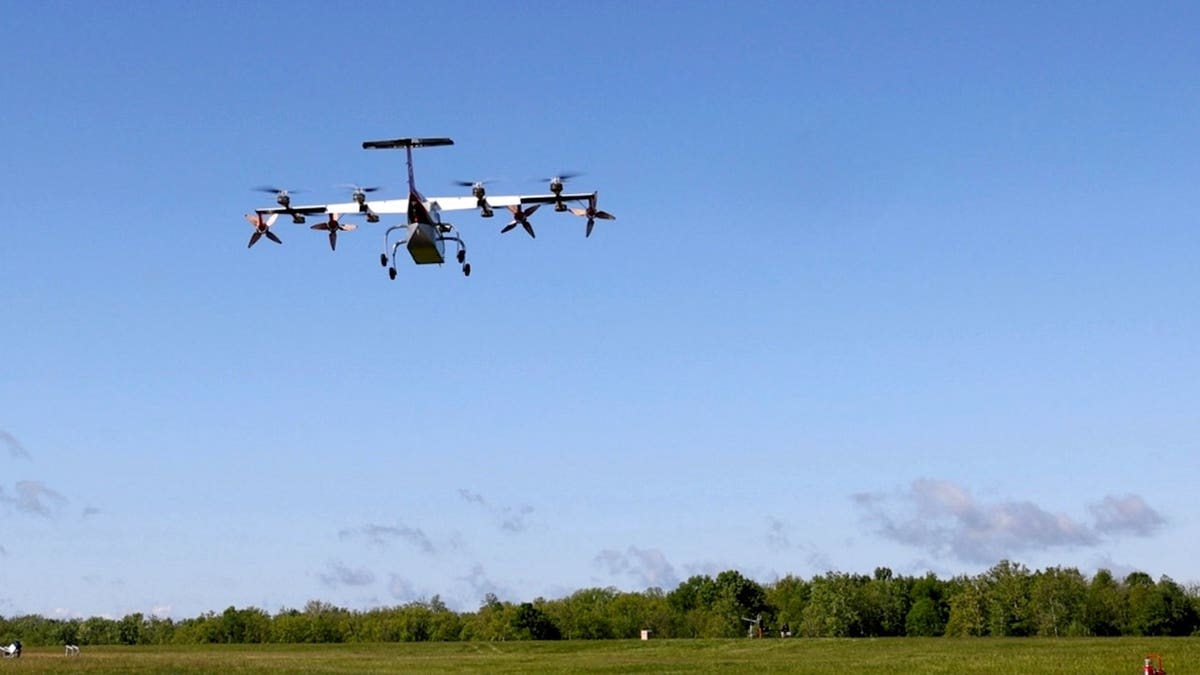
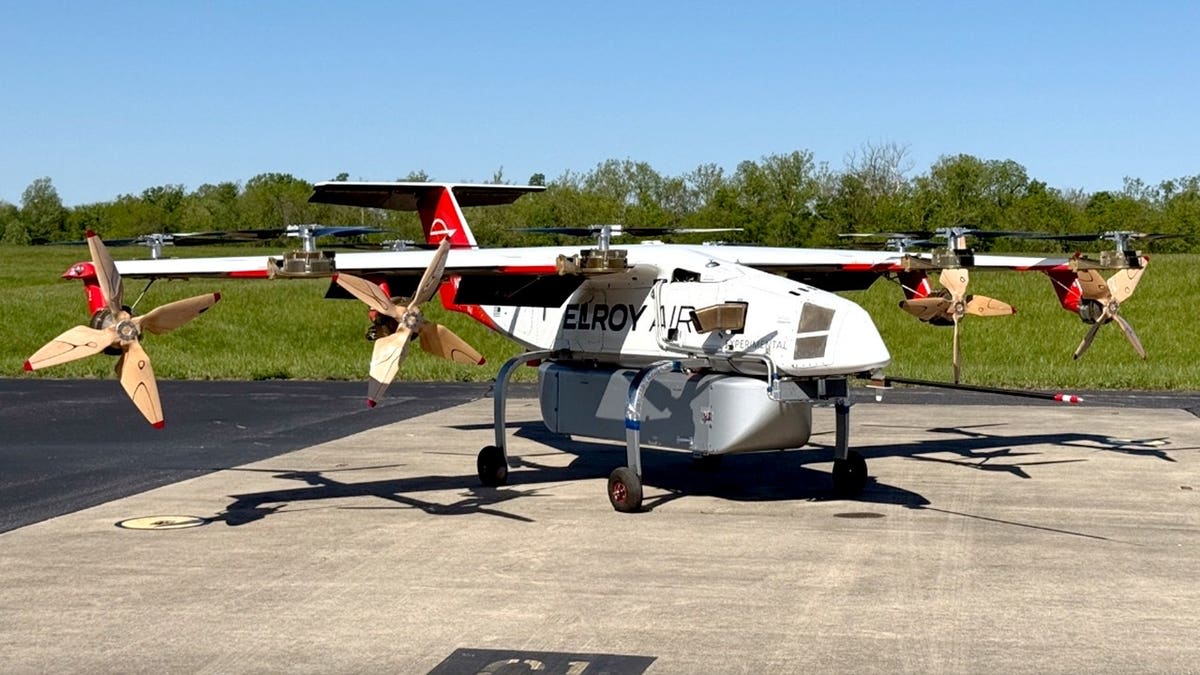
Elroy Air and Louisiana's Department of Transportation recently flew the Chaparral, a pilotless cargo aircraft that takes off vertically like a helicopter but flies like a plane. The demonstration at Houma-Terrebonne Airport marked the first remotely piloted aircraft test under the FAA's electric vertical takeoff and landing program.
This isn't another small delivery drone dropping packages on doorsteps. The Chaparral can carry more than 500 pounds up to 450 miles, putting it in an entirely different category for moving serious cargo.
The aircraft runs on hybrid-electric power, meaning it doesn't need charging stations at every stop. It uses electric propulsion to lift straight up from areas without runways, then switches to wingborne flight for efficiency during the longer journey.
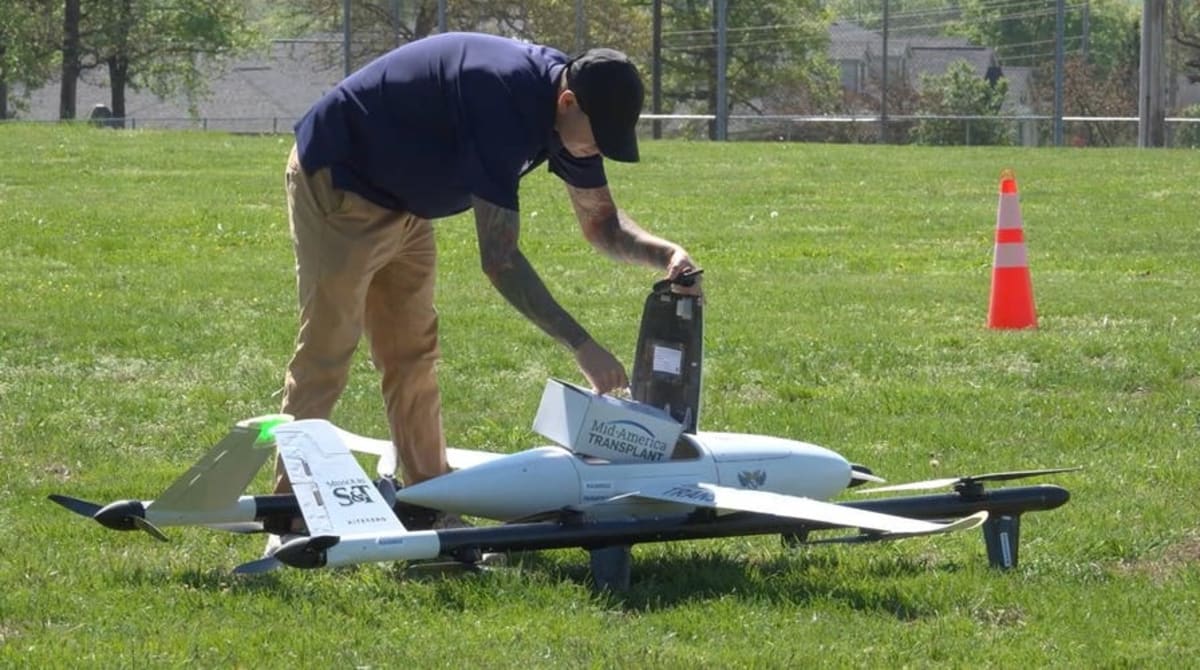
What makes the design especially clever is its modular cargo system. Workers can load pods before the aircraft arrives, and Chaparral picks them up, flies them to another location, and drops them off. No crew required on the ground at remote sites.
The FAA created this testing program to figure out how next generation aircraft can safely share U.S. airspace. Louisiana is one of eight projects across 26 states, with more test flights planned through 2026. FAA Administrator Bryan Bedford said the demonstration provides crucial data to "turn these concepts from trial to deployment."
While Chaparral flew autonomously during the week-long series of flights, humans still provided oversight through Air Traffic Control. Regulators are working through important questions about how much human supervision these aircraft need and how they should handle emergencies.
The Ripple Effect
The real promise lies in what logistics experts call the middle mile, moving cargo between major points rather than final delivery. Offshore energy workers who need replacement parts won't have to wait days for crewed helicopters. After major storms flatten roads, heavier relief supplies could reach cut-off communities faster.
Industrial supply chains could become more flexible, and rural areas far from airports could receive urgent medical equipment within hours instead of days. The technology opens possibilities for reaching people and places that traditional aircraft simply can't serve efficiently.
The Louisiana tests represent a turning point from experimental flights to regulatory framework. As the FAA gathers data over the next two years, these pilotless cargo haulers are moving closer to becoming a routine part of how America moves critical supplies where they're needed most.
More Images
Based on reporting by Fox News Tech
This story was written by BrightWire based on verified news reports.
Spread the positivity!
Share this good news with someone who needs it