Fairphone 6+ Lets You Fix It Yourself With One Screwdriver
A Dutch company just launched a smartphone designed to last a decade, and you can repair every major part yourself with a single screwdriver. While tech giants sell phones sealed with glue, Fairphone is betting people want devices they can actually fix and keep.
What if your next phone came with permission to take it apart?
The Fairphone Gen 6+ challenges everything we've come to expect from smartphones. Most devices today are glued shut, expensive to repair, and designed to be replaced every few years. This $650 phone flips that script entirely.
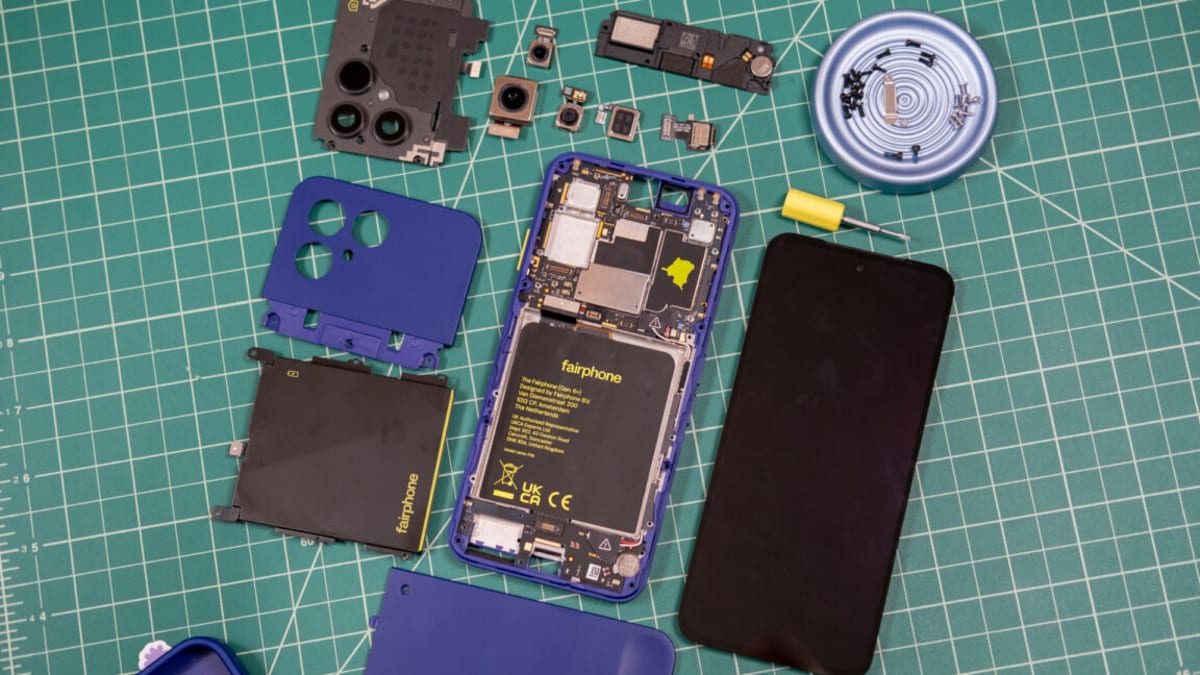
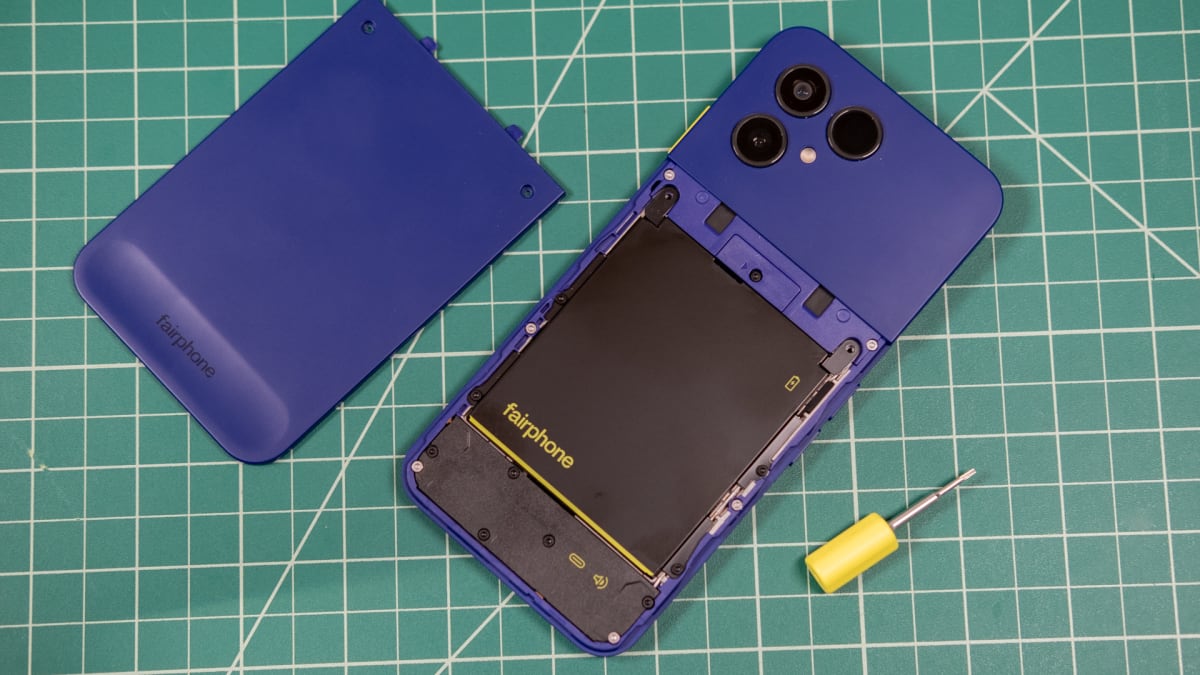
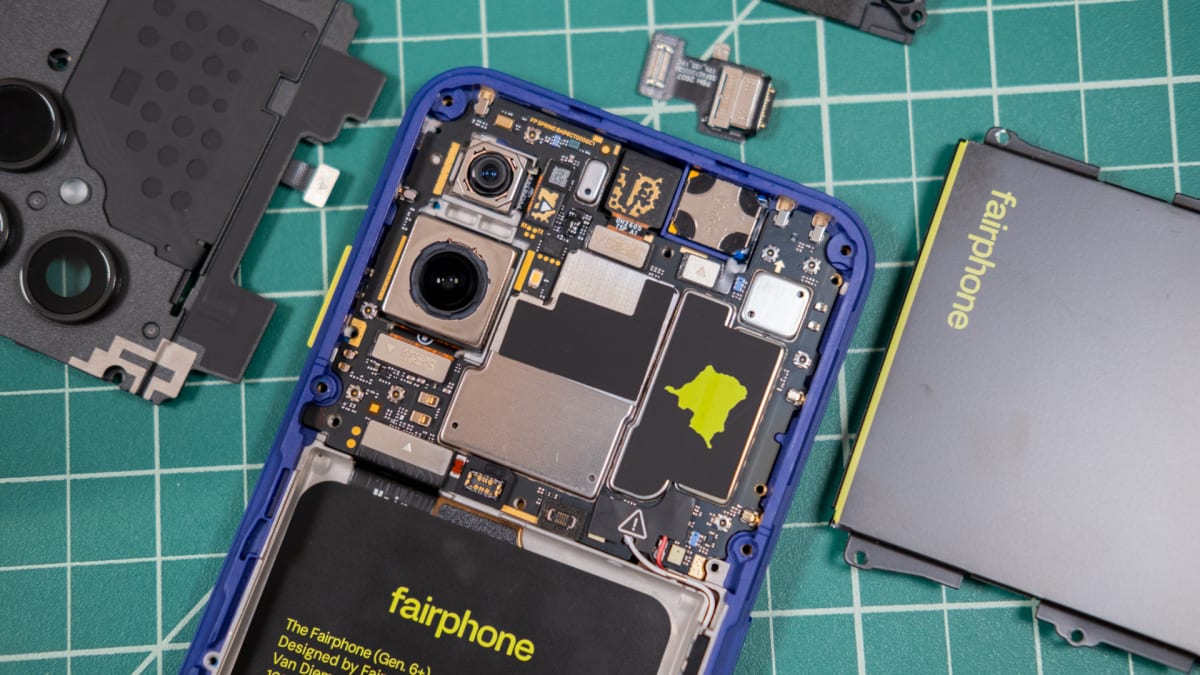
Dutch company Fairphone just entered the US market with a radical idea. They designed a smartphone where you can replace 12 different parts using just one screwdriver that comes in the box. The battery, screen, camera, USB port, and more all snap out cleanly without special tools or training.
"We're doing something that was long thought to be nearly impossible," said CTO Chandler Hatton. "Which is delivering high-performing modular smartphones that can last for a very long time."
Here's how it works. Two screws on the back panel let you slide off the cover. Inside, everything is organized and accessible with simple connectors you can pop off with your fingernail. No glue, no hidden screws, no metal spaghetti of tangled components.
The company tracked testers and found that complete novices could fully disassemble and reassemble the phone in about 20 minutes. Everything goes back together smoothly, with no gaps or wobbles.
The motivation goes deeper than convenience. When a Samsung or iPhone screen breaks after two years, the repair often costs more than buying a new device. That's not an accident, according to Hatton, and Fairphone refuses to play that game.
Instead, they've made device longevity their key performance indicator. Their goal is for every customer to use their Fairphone for at least five years minimum. Batteries naturally degrade after three years, but swapping in a fresh one takes minutes and costs a fraction of a new phone.
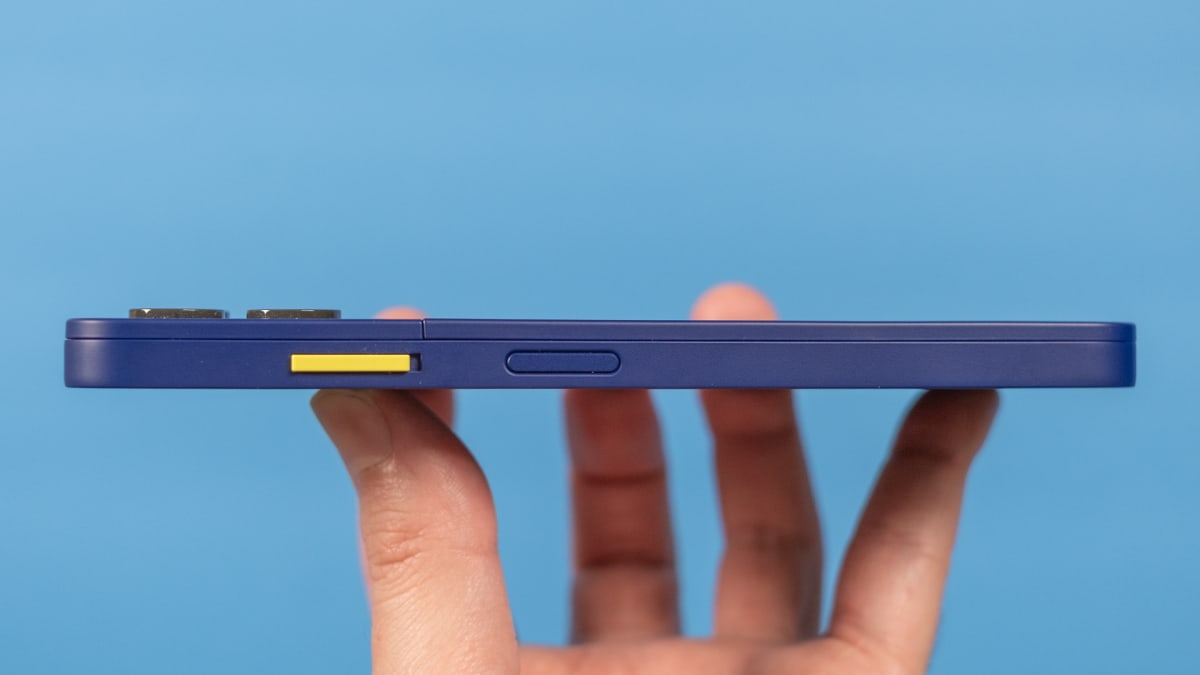
The design does require tradeoffs. The modular approach makes the phone slightly thicker than ultra-thin competitors. It uses more plastic than metal in the exterior, though an internal metal frame keeps it sturdy. And Fairphone tested extensively to ensure repeated disassembly doesn't weaken the device over time.
The Ripple Effect
Beyond repairability, Fairphone builds sustainability into every decision. They source conflict-free minerals, use recycled materials, and ensure factory workers earn living wages. The company doesn't want to sell you multiple phones. They want to sell you one that refuses to become electronic waste.
This approach directly challenges planned obsolescence. While competitors profit from two-year upgrade cycles, Fairphone succeeds only if their devices keep working year after year. It's a business model that aligns company profits with customer satisfaction and environmental responsibility.
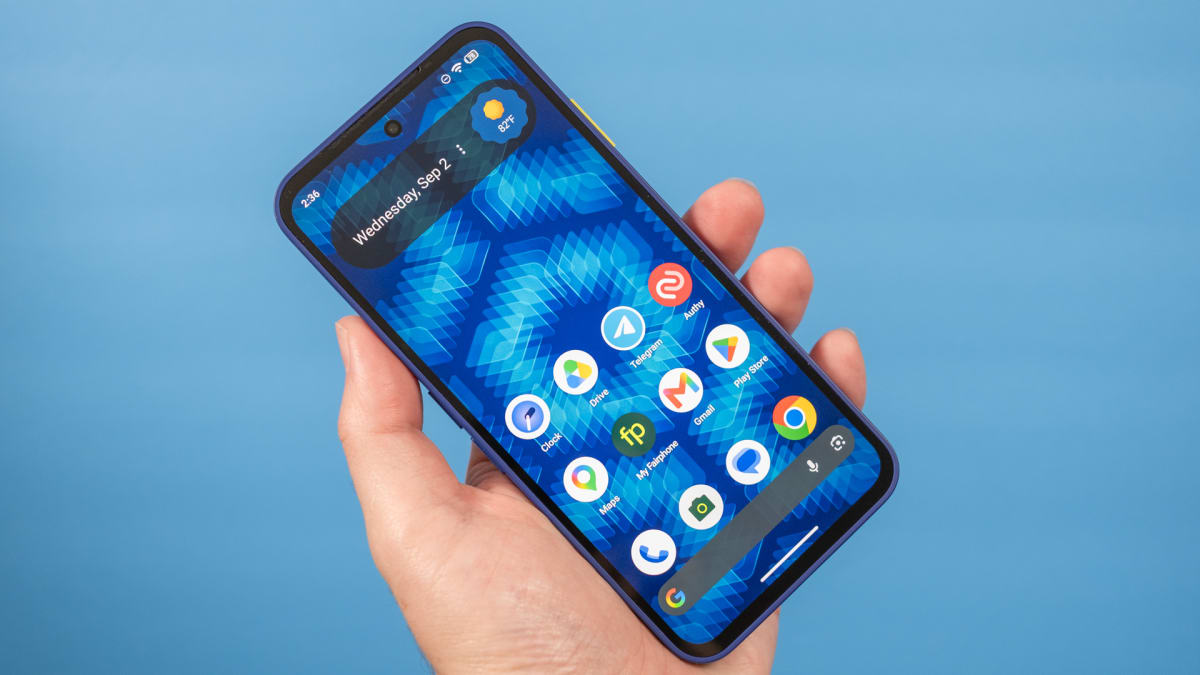
The phone includes respectable specs too: a 6.31-inch OLED screen, 12GB of memory, and 256GB of storage. Software updates will support the device for years, matching the hardware's durability. And when something eventually does break, replacement parts are readily available at reasonable prices.
One phone that lasts a decade instead of five phones over the same period means less mining, less manufacturing, and less waste.
More Images
Based on reporting by Ars Technica
This story was written by BrightWire based on verified news reports.
Spread the positivity!
Share this good news with someone who needs it