Wind Turbines and Solar Panels Get Second Lives
Millions of solar panels and wind turbines installed in the early 2000s are reaching retirement age, but innovators are finding ways to repair, reuse, and recycle them instead of sending them to landfills. New standards and creative recycling methods are turning potential electronic waste into a circular economy success story.
The wind turbines and solar panels that helped launch the renewable energy revolution are growing old, but they're getting a second chance at life instead of ending up in landfills.
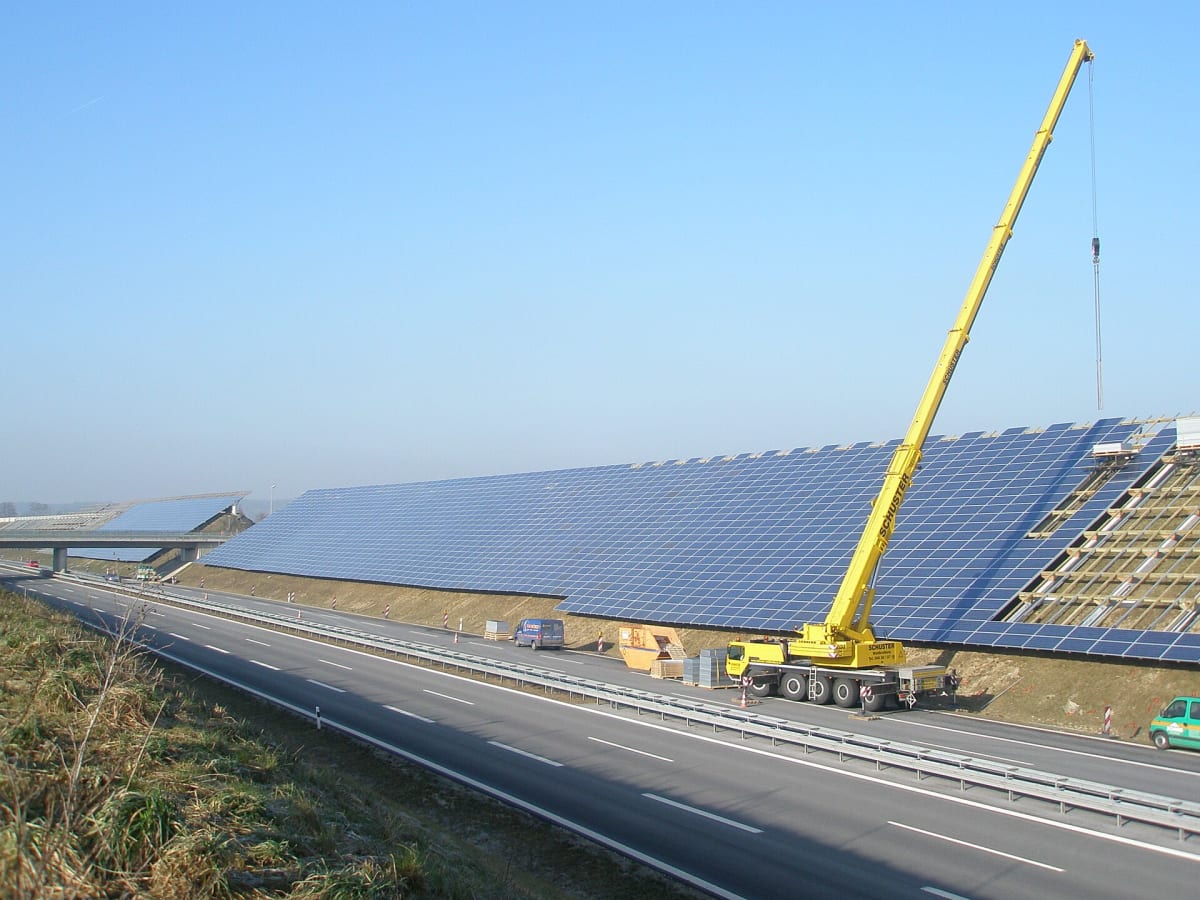
Millions of wind turbines installed in the early 2000s are now reaching their 20 to 30 year lifespan. Solar panels, which can last up to 40 years, are also nearing retirement. That adds up to a mountain of potential electronic waste, but the renewable energy industry is rising to the challenge with creative solutions.
The recycling puzzle has been tricky to solve. Wind turbine blades are made from epoxy resin, a super strong material that's nearly impossible to melt down. Solar panels contain valuable materials like silicon, copper, and aluminum, but separating them has been expensive and complicated.
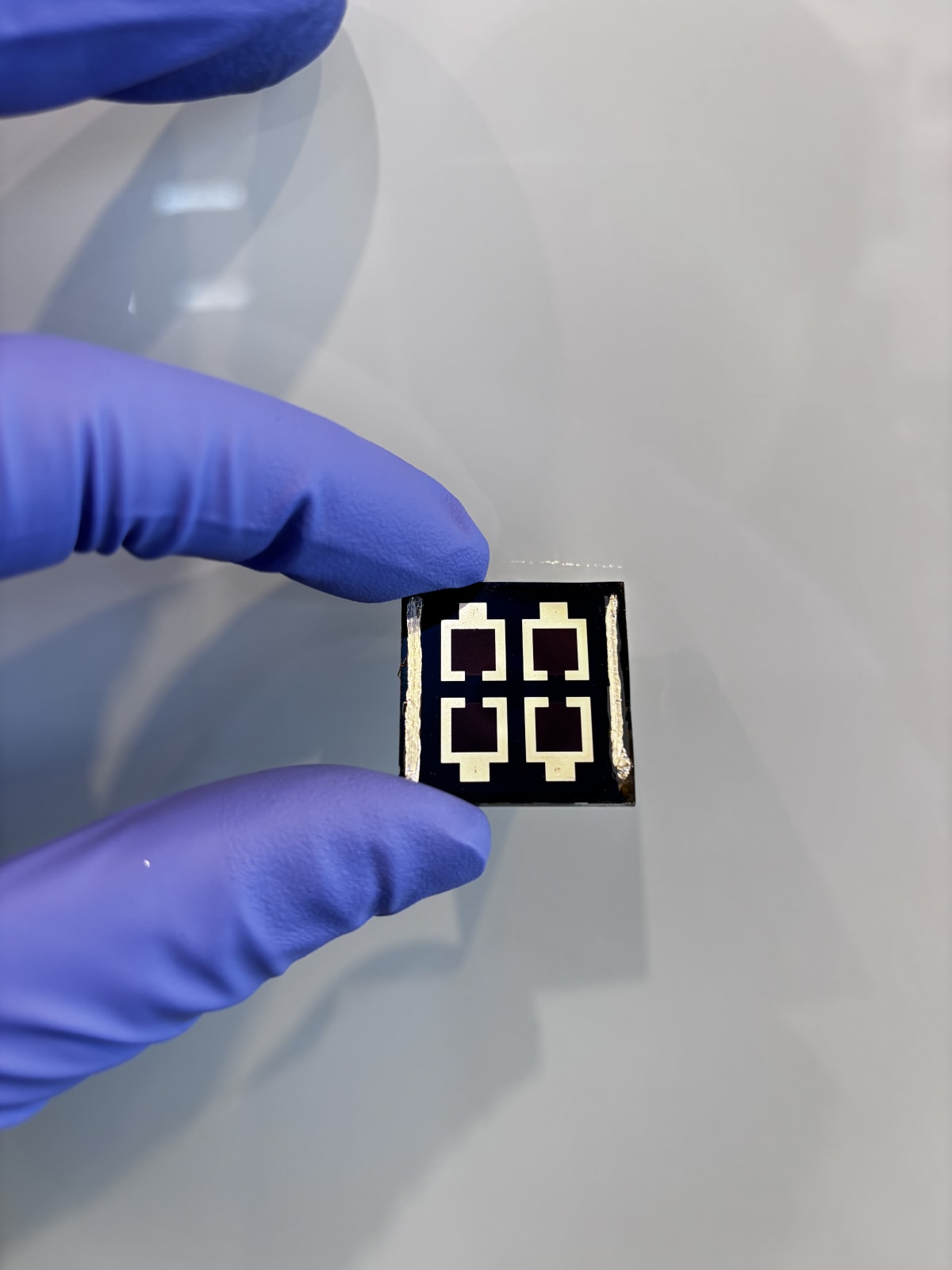
Companies are now smashing old turbine blades into small pieces for use in cement, concrete, and building materials. One recycling specialist estimates that over 75% of a solar panel can now be recovered using innovative processing techniques. Transport costs and limited facilities remain challenges, but the technology keeps improving.
The best solution might be keeping equipment running longer. Repairing a solar panel costs less than recycling it and produces fewer greenhouse gas emissions. Some perfectly functional panels removed from upgraded systems are finding homes in remote communities that can't afford brand new technology.
New international standards published in 2025 now provide guidelines for safely extending the life of wind farms. Another upcoming standard will help technicians decide when to repair a solar panel, when to move it to a second home, and when recycling makes the most sense.
The Ripple Effect
The shift toward circular thinking is changing how renewable energy equipment gets designed from the start. Manufacturers are now creating wind turbine blades from thermoplastic composites that can be melted down and reused. New epoxy formulations are being engineered specifically for recycling.
These advances mean the next generation of renewable energy systems won't face the same end-of-life problems. The industry is learning to design products that can be repaired, reused, and ultimately recycled with minimal environmental impact.
Europe's electronic waste regulations are pushing the industry forward, but companies worldwide are finding that smart recycling and reuse make good business sense too. Recovering valuable materials saves money and reduces the need for mining new resources.
Remote communities are already benefiting from refurbished solar panels that still have decades of useful life. These systems bring clean energy to places that might otherwise rely on diesel generators or go without electricity altogether.
The renewable energy industry is proving that going green means thinking about the full lifecycle, not just the power generated along the way.
More Images
Based on reporting by PV Magazine
This story was written by BrightWire based on verified news reports.
Spread the positivity!
Share this good news with someone who needs it