Faith Leaders in Africa Push for Open SRHR Conversations
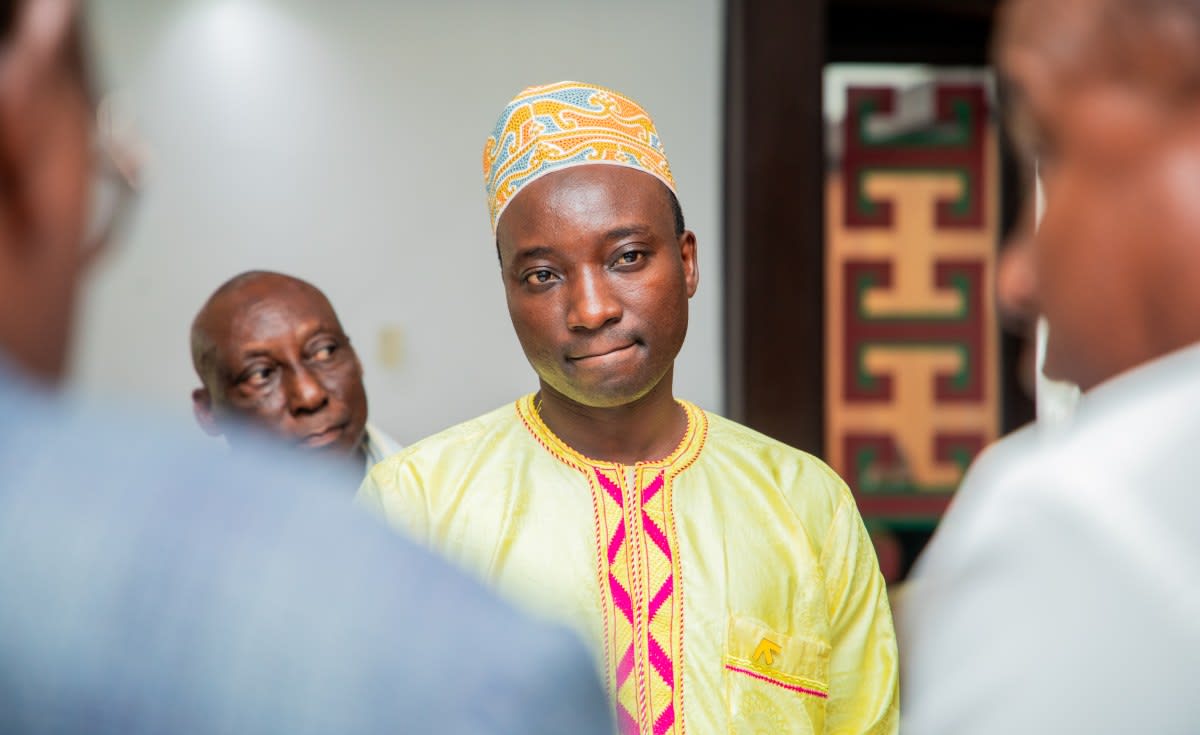
An imam who became a father as a teenager is now leading a movement across Africa to help religious leaders talk openly about sexual health with their communities. His personal story of misinformation and struggle is inspiring faith communities to replace silence with compassion.
When Imam Bukuru Elie Khalfan became a father as a teenager in Burundi, he and his wife knew almost nothing about sexual health. Their lack of knowledge led to panic, misinformation, and an unintended pregnancy that could have been prevented.
"We were young teenagers, and it was too hard for us to understand sexuality. We knew nothing," Khalfan shared at a recent symposium in Mombasa, Kenya. He struggled to find emergency contraception at pharmacies, eventually getting help from a nurse friend, but wrong information about how long it worked led to another unplanned pregnancy.
That experience changed everything. Now, Khalfan speaks openly with his own son about sexual and reproductive health, refusing to let ignorance repeat itself in the next generation.
As the global director of the "Imams for She" campaign, he's taking that same honesty to mosques and faith communities across Africa. At the MenEngage Africa symposium, he joined other religious leaders pushing for open conversations about sexuality and reproductive health, topics that remain largely taboo in religious spaces.
Khalfan pointed out something important: faith leaders are already deeply involved in these issues, whether they admit it or not. "People come to us when they are getting married, when they are having children, when they have a conflict in their family, and when young people are struggling," he explained.
The real question, he said, isn't whether religious leaders should be involved. It's what kind of influence they'll choose to have: one that deepens stigma or one that opens doors to compassion and accurate information.
Why This Inspires
Khalfan's approach offers three practical ways forward. First, education that goes beyond Sunday sermons, engaging with sexual health year-round because misconceptions persist even among the devout.
Second, everyday advocacy for women and girls, framing it through values congregations already understand: dignity, protecting life, and preventing violence. Third, training religious leaders with evidence and skills to interpret texts in ways that resonate with their specific communities.
Other speakers echoed the urgency. Koami Mawuwi Ahiakon, discussing anti-gender movements in West Africa, stressed that progressive responses need broader coalitions including feminists, health professionals, students, media, and yes, religious leaders willing to engage in different dialogues.
The movement recognizes that debates over sexuality and gender aren't just happening in health clinics or government buildings. They're unfolding in mosques, churches, and synagogues where ideas about family, culture, and human rights shape public opinion and political debates.
By using the trust and reach already embedded in faith communities, these leaders are replacing silence with conversations grounded in dignity and truth. Khalfan's message is clear: the influence is already there, waiting to be used for good.
Based on reporting by AllAfrica - Headlines
This story was written by BrightWire based on verified news reports.
Spread the positivity!
Share this good news with someone who needs it