Family Creates 'University of Life' for Non-Verbal Daughter
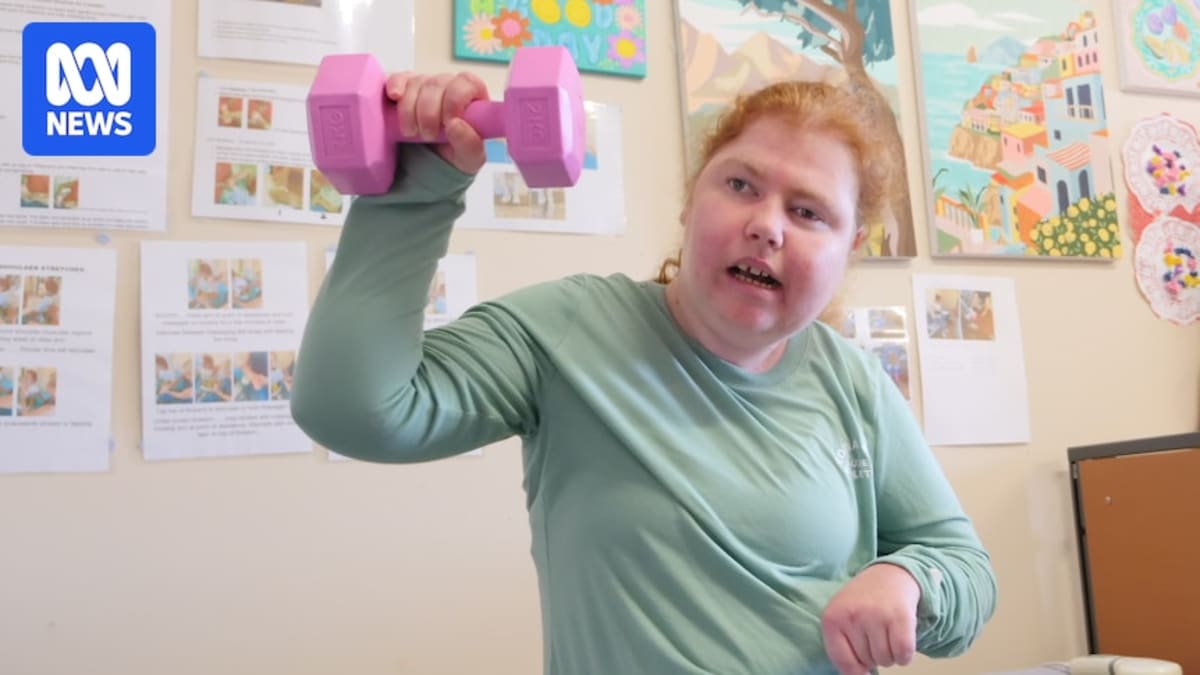
When Lillian Rowsell finished school at 18, her parents transformed her grandfather's unused flat into a custom learning campus where she could keep growing. Seven years later, the 25-year-old still starts each day with excitement, choosing her activities and thriving with the support workers who've known her since childhood.
When all of Lillian Rowsell's friends headed off to university, her parents decided she deserved the same opportunity. They just had to build it themselves.
Lillian was born with a rare brain condition that required half her brain to be removed at six months old. She's non-verbal with limited mobility and vision, but her family knew that shouldn't mean her learning stopped after high school.
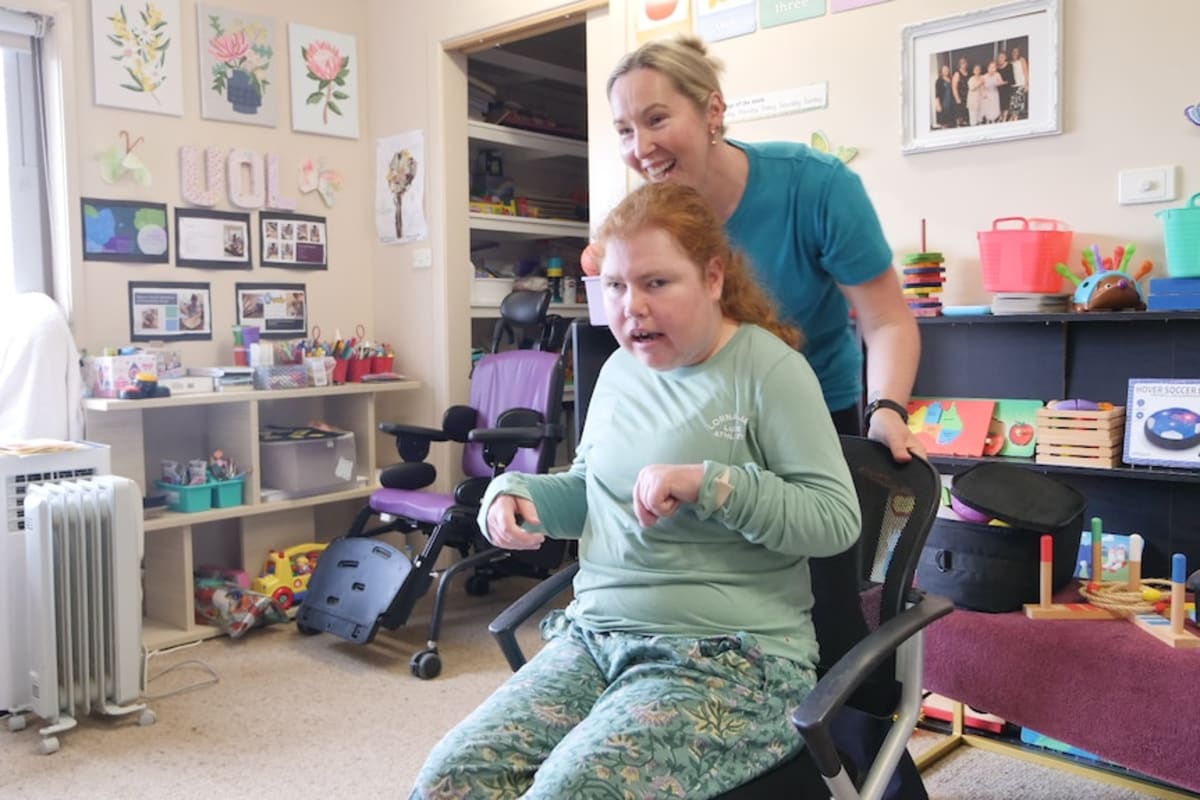
In 2020, her parents Andrea and Chris transformed her grandfather Keith's self-contained flat in Old Bar, New South Wales, into what they call the "University of Life." The campus gives Lillian somewhere to go each morning with purpose, just like any other young adult.
"Lillian then got to leave our house every day with a purpose instead of everything being inside her house," Andrea said. "I think that was the healthiest and best solution moving forward."
The setup worked because the same support workers who helped Lillian through mainstream school could continue with her. Kellie Trezise and Debbie Bonds followed her from elementary through high school, learning her non-verbal cues and building trust over years.
Now the National Disability Insurance Scheme funds six hours of daily support, allowing Kellie and Debbie to keep working with Lillian through the program. Each morning, Lillian points to visual cards showing the activities she wants to do, whether that's computer games, bowling, or music sessions with her grandfather.
"It's so important for somebody who's non-verbal to be able to feel heard, to have autonomy to make choices," Kellie said.
Sunny's Take
What makes this story special isn't just the creative solution. It's that Lillian's excitement hasn't faded after seven years.
As she arrives at her grandfather's flat each morning, she slaps her leg to show how eager she is for the day ahead. Andrea has watched her daughter's processing speed improve and her responses quicken, small victories that add up to a fuller life.
The family hosted an open day in December 2020, and 50 people from Lillian's community came to celebrate what they'd built together. Other NDIS participants have occasionally joined Lillian at the university when they're a good match.
Disability researcher Iva Strnadova from the University of New South Wales calls the approach remarkable. "For someone with complex, high-support needs, it can be the difference between a full, active life and isolation," she said.
She noted that for many families, the end of school feels like "falling off a cliff" because routine, learning, therapy, and relationships all disappear at once. The problem isn't that families lack goals for their kids, it's that the system rarely offers ways to reach them.
But in a flat on Australia's mid-north coast, one family proved that with creativity, funding support, and people who truly know your child, anything is possible.
More Images



Based on reporting by ABC Australia
This story was written by BrightWire based on verified news reports.
Spread the positivity!
Share this good news with someone who needs it