Family Sells 136-Year Farm for Wildlife Bridge in Washington
The Erickson family sold their century-old Washington farm to make way for the state's first Interstate 5 wildlife crossing. The bridge will reconnect habitats from the Cascade Mountains to the Olympic Peninsula, potentially saving endangered cougars and reducing deadly vehicle collisions.
After 136 years of farming the same land, the Erickson family made a choice that honors both their past and the future.
The family sold their 94-acre Vine Maple Farms near Tenino, Washington for $1.1 million to clear the way for a major wildlife bridge over Interstate 5. This will be the first crossing of its kind on the busy freeway in Washington State.
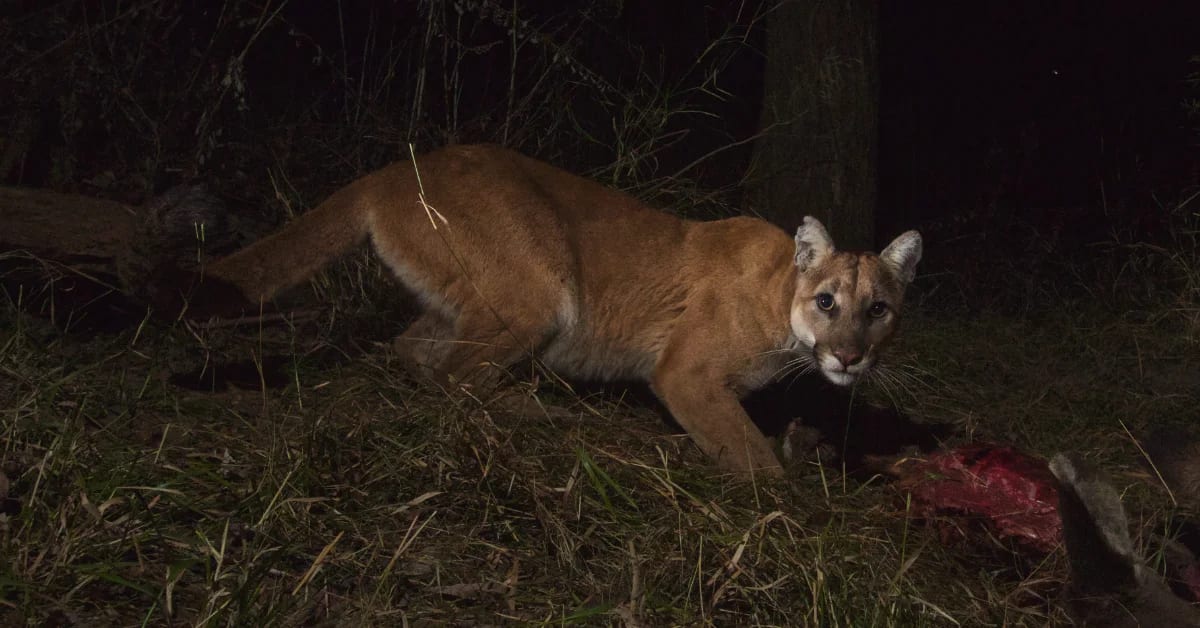
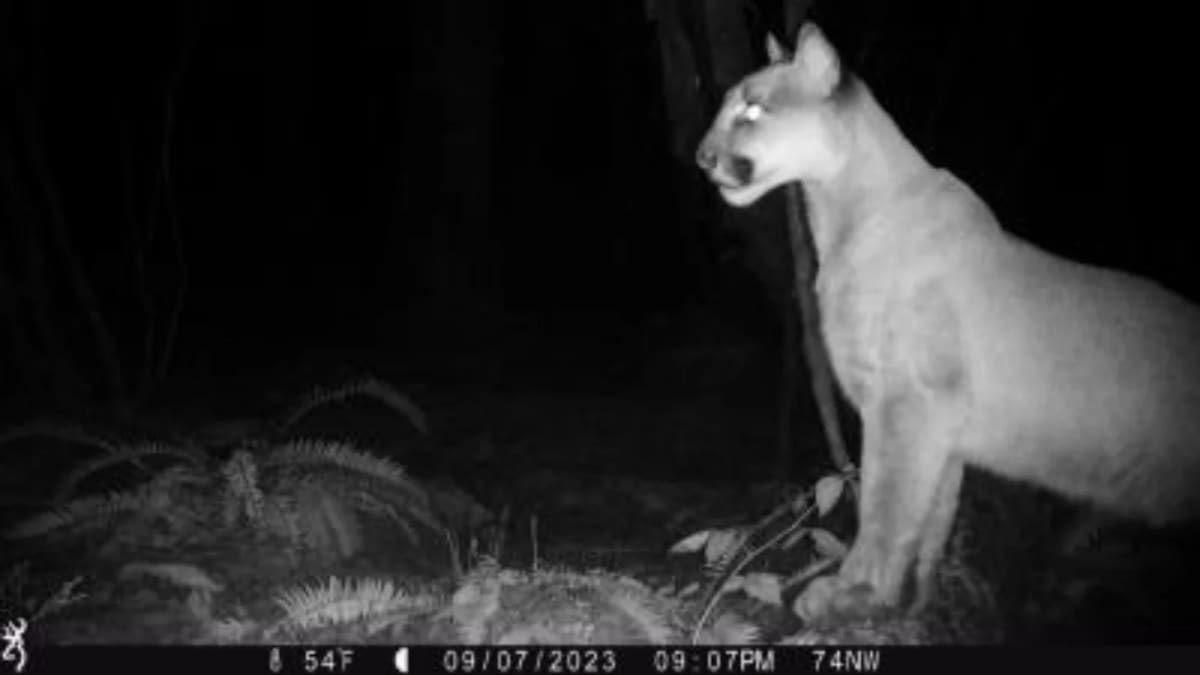
The bridge will reconnect fragmented habitats between the Cascade Mountains and the Olympic Peninsula, creating a safe passage for animals that currently face certain death trying to cross the highway. Endangered Olympic Peninsula cougars, black bears, deer, elk, beavers, newts, and fishers will all benefit from the crossing.
Conservation Northwest raised $2.5 million to help purchase land for the project, which was returned to the Confederated Tribes of the Chehalis Reservation. The tribe is also buying back ancestral lands to restore the habitat.
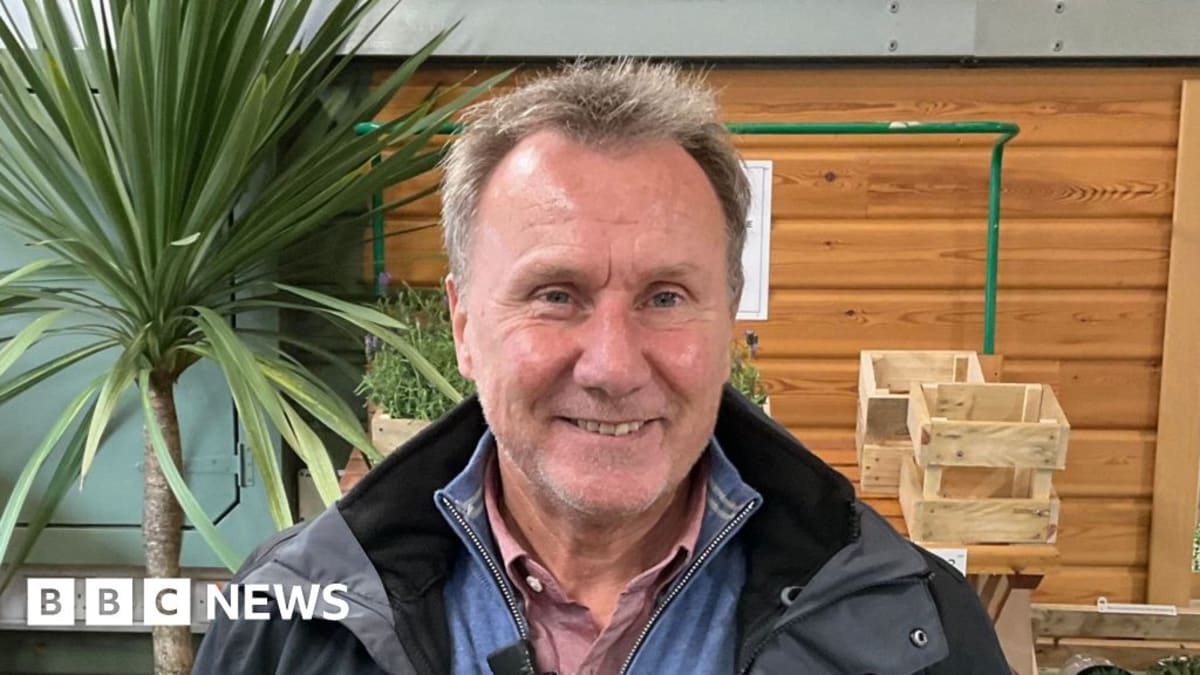
For the Ericksons, the decision felt like destiny. About 50 years ago, Allen and Janice Erickson created the Vine Maple Farms Trust, which stated that when the family's descendants were gone, the farm should be preserved for conservation.
"So here we have come," Janice Erickson told The Seattle Times.
Marla Erickson, the youngest family descendant, didn't hesitate when the opportunity arose. "Just knowing that this land is going from our family back to where it belongs with the Chehalis Tribes makes us very happy," she said in a statement.
The Ripple Effect
This wildlife crossing represents more than just a bridge. It's a collaboration between state Fish and Wildlife and Transportation departments, Indigenous nations, and nonprofits like Panthera working together to heal fragmented ecosystems.
Wildlife crossings also deliver economic benefits beyond conservation. A 2022 study found that each structure in Washington saves between $235,000 and $443,000 annually by preventing costly wildlife-vehicle collisions.
The crossing restores what existed before European settlement, when animals could move freely across the landscape. Now, as suburban sprawl and development threaten remaining wildlife corridors, this project offers a blueprint for how private landowners, tribes, and conservationists can work together.
"In this age of despair over climate change, this is another place where we can look for hope," said Paula Swedeen, Conservation Northwest's policy director.
If funding comes through in the coming years, the bridge will stand as a living monument to a family who chose to give back what they had carefully stewarded for over a century.
More Images

Based on reporting by Good Good Good
This story was written by BrightWire based on verified news reports.
Spread the positivity!
Share this good news with someone who needs it