Farmer Saves Odd Bone, Unlocks 14,500-Year-Old Secret
A Wisconsin farmer's decision to keep one strange bone in 1979 led archaeologists to discover a butchered mammoth that rewrote human history in North America. His simple act of curiosity helped prove humans lived in the region 1,000 years earlier than scientists believed.
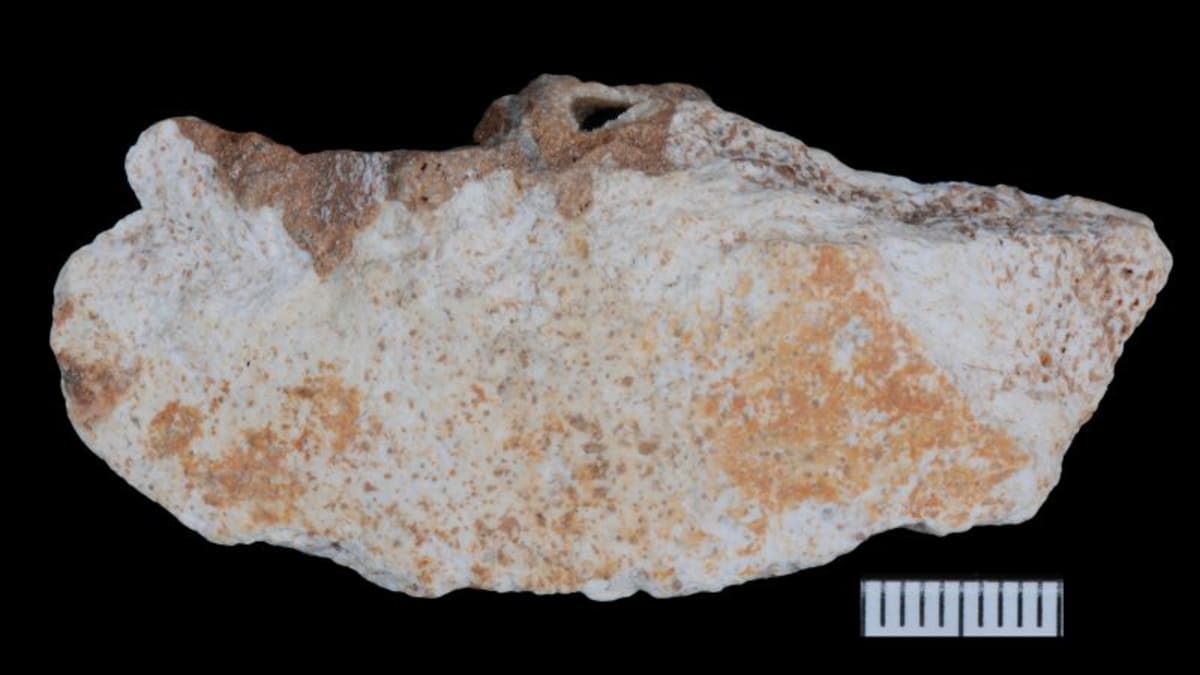
John Hebior could have tossed the enormous bone he found in his Wisconsin field in 1979, but something told him to keep it. That one curious decision would eventually help rewrite the story of when humans first lived in North America.
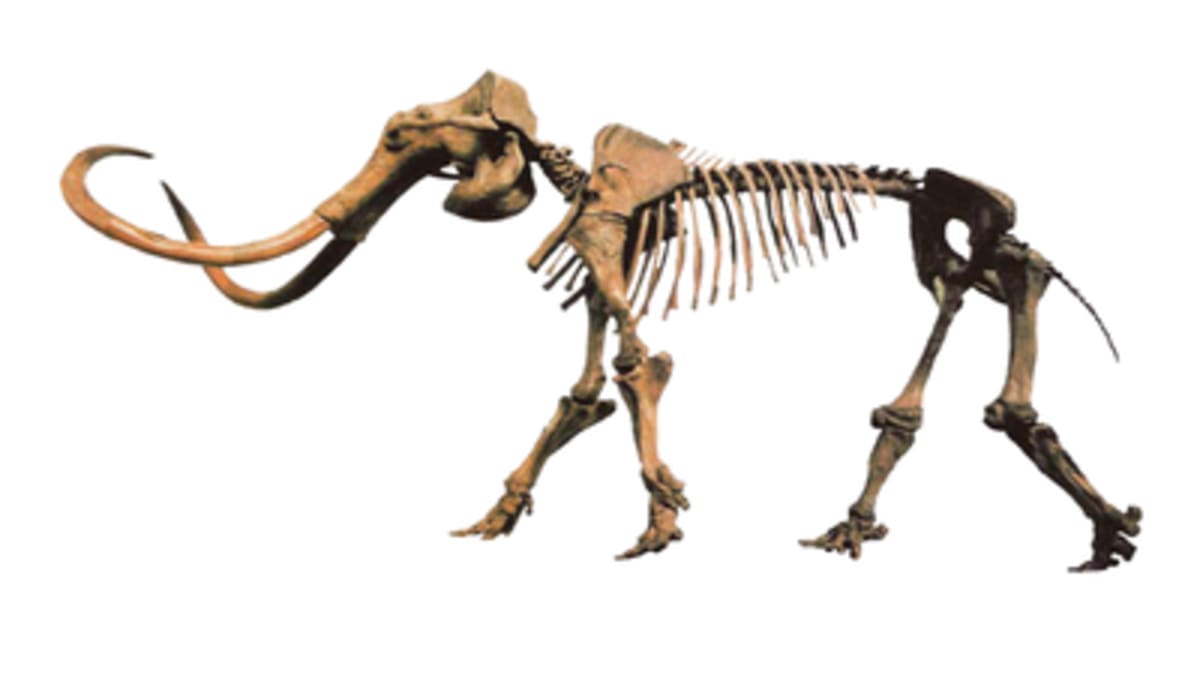
Hebior knew the bone looked unusual, so he saved it instead of throwing it away. In the 1990s, archaeologists finally examined his find and identified it as part of a mammoth skeleton, sparking major excavations on his farm.
What they found amazed everyone. The Milwaukee Public Museum discovered stone tools and butchery marks alongside the mammoth bones, proving this wasn't just a natural Ice Age death. Ancient humans had hunted and processed this animal for food.
The radiocarbon dating revealed something even more significant. The mammoth died around 14,500 years ago, placing humans in Wisconsin roughly 1,000 years before the Clovis people, who were long considered North America's first inhabitants.
The discovery became one of Wisconsin's most important Pleistocene sites. Museum officials turned the Hebior Mammoth into an educational treasure, using it to teach students about early North American prehistory and how archaeology actually works.
Scientists carefully studied every mark on the bones to distinguish genuine human butchery from natural damage. The Journal of Archaeological Method and Theory cited Hebior as a key example in their review of ancient animal sites, showing how thorough analysis prevents misreading history.
The site didn't settle the debate about early Americans by itself, but it added crucial evidence to the conversation. It proved that physical proof of human activity could reach much further back in time than old benchmarks suggested.
The Ripple Effect
Hebior's story shows how everyday people can help unlock scientific breakthroughs. His willingness to preserve something odd rather than discard it gave researchers a window into life 14,500 years ago, helping piece together how early humans spread across the continent.
The mammoth now stands in the Milwaukee Public Museum, where thousands of visitors learn from Hebior's find each year. What started as one farmer's curiosity became a teaching tool that helps students understand their ancient ancestors.
Local knowledge often holds answers for years before experts realize its importance. When regular people save unusual finds and report them to scientists, they help complete the puzzle of human history.
One peculiar bone, saved on a hunch, helped prove that human ingenuity and survival skills in North America stretch back further than we imagined.
More Images



Based on reporting by Google: archaeological discovery
This story was written by BrightWire based on verified news reports.
Spread the positivity!
Share this good news with someone who needs it