Farmers Worldwide Shift From Chemicals to Living Soil
After a century of chemical-dependent farming that degraded soil and ecosystems, a quiet revolution is underway as farmers worldwide return to biology-based agriculture that works with nature instead of against it. The results are promising: healthier soil, thriving biodiversity, and crops that resist drought and disease.
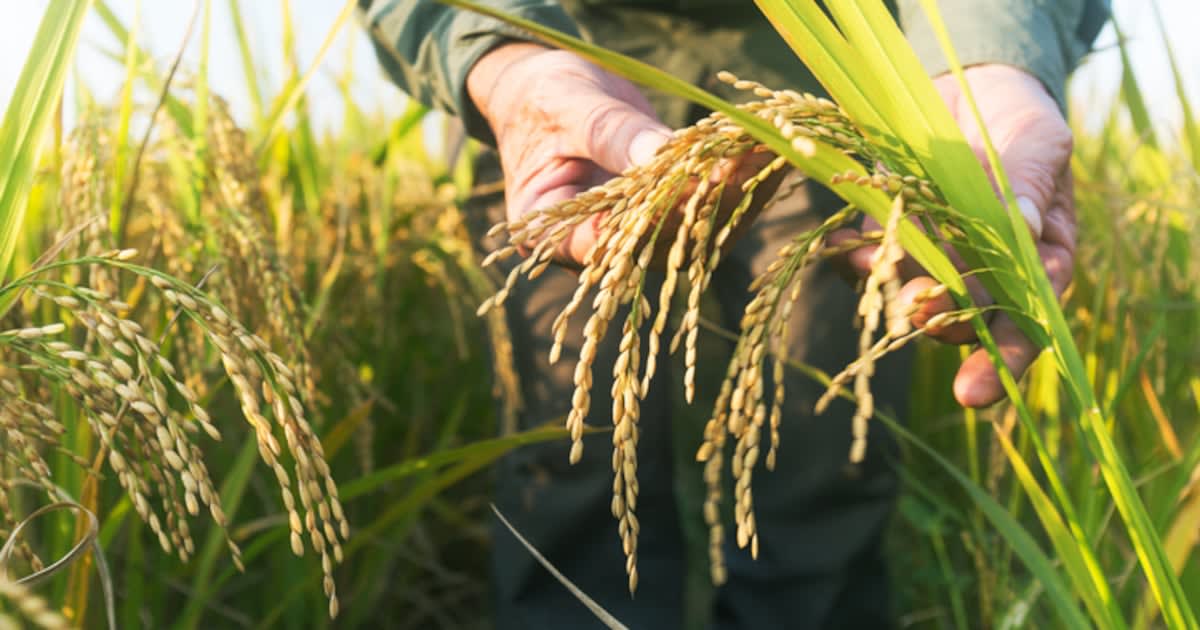
Farmers across the globe are discovering that the secret to better crops isn't more chemicals, but healthier soil teeming with life.
For most of human history, farming worked with natural systems: plants, soil, microbes, and sun working together. That changed in the 20th century when the Green Revolution turned soil into little more than a prop for plants fed entirely by synthetic fertilizers and pesticides.
The approach boosted yields but at an enormous cost. Soils degraded, water became contaminated, and farmers found themselves trapped in rising debt as input costs climbed while food prices fell.
Now thousands of farmers are breaking free from that cycle. They're embracing regenerative agriculture, which builds on Indigenous knowledge and modern science to restore natural farming systems.
The transformation starts beneath our feet. Healthy soil hosts billions of microbes that supply nutrients to plants naturally. Diverse insect and bird populations keep pests in check without sprays. Resilient plants need less water and fight off disease on their own.
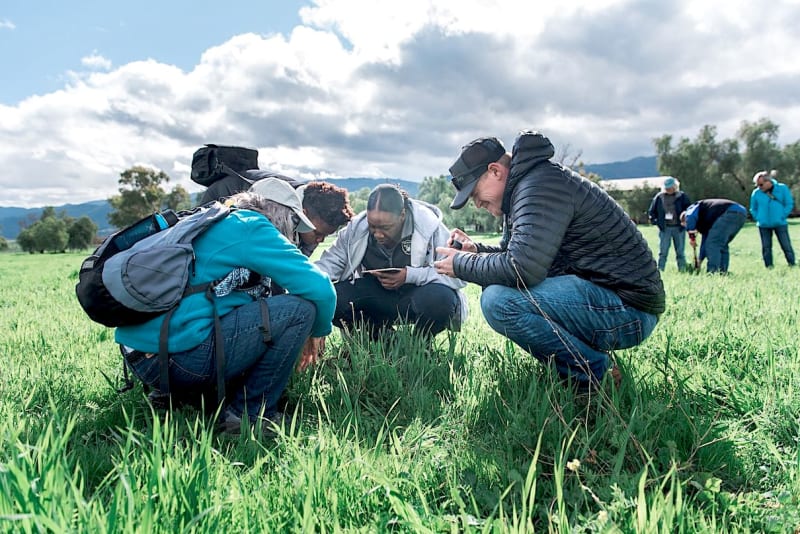
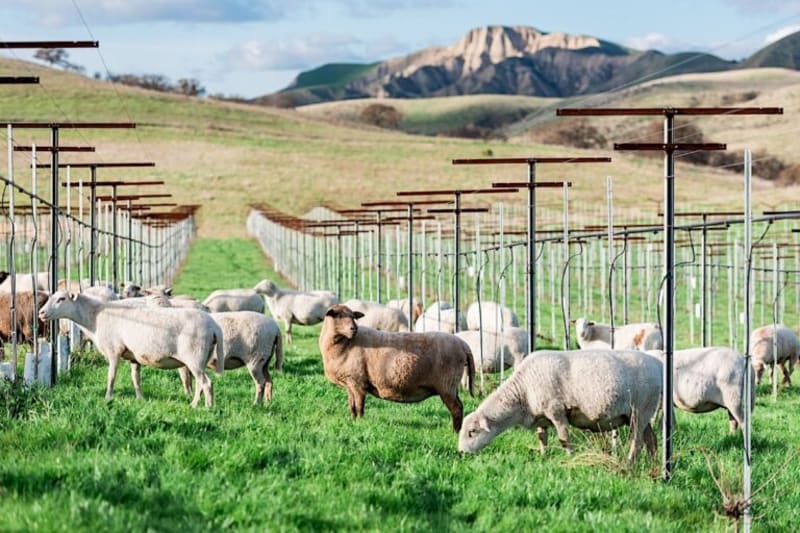
Paicines Ranch in California is one example of what's possible. Their fields support not just crops but a diverse ecosystem of wildlife, plants, and grasses working together.
The shift isn't easy. Studies of over 1,200 farms across North America found that changing farming practices means changing identity. Many farmers describe waking up with a completely different mindset: instead of thinking about what to kill, they think about how to work alongside the life in their fields.
Indigenous communities perfected these approaches over thousands of years. The Three Sisters method, growing corn, beans, and squash together to build soil fertility, is just one example of agricultural wisdom we temporarily abandoned.
The Ripple Effect
The transition is gaining momentum worldwide. Farmers are proving that regenerative systems often deliver better yields than chemical farming, especially during droughts and extreme weather that's becoming more common.
Universities are expanding research on living soil systems. Companies are investing in regenerative supply chains. Consumers are demanding food grown without poisoning the environment.
The vulnerable period during transition requires support: technical assistance, insurance, and patient capital to help farmers through the adjustment. But the movement is building as society recognizes a fundamental truth: we cannot continue poisoning our environment to produce food.
Early adopters are showing the path forward, demonstrating that working with nature instead of against it creates resilient farms, healthy ecosystems, and secure livelihoods. The wisdom of thousands of years, combined with modern science, is proving more powerful than a century of chemical dependency.
Agriculture's next revolution isn't about new synthetic solutions but about returning to the biological intelligence that sustained humanity for millennia, and the results are giving farmers and communities genuine hope for a healthier future.
More Images


Based on reporting by Mongabay
This story was written by BrightWire based on verified news reports.
Spread the positivity!
Share this good news with someone who needs it