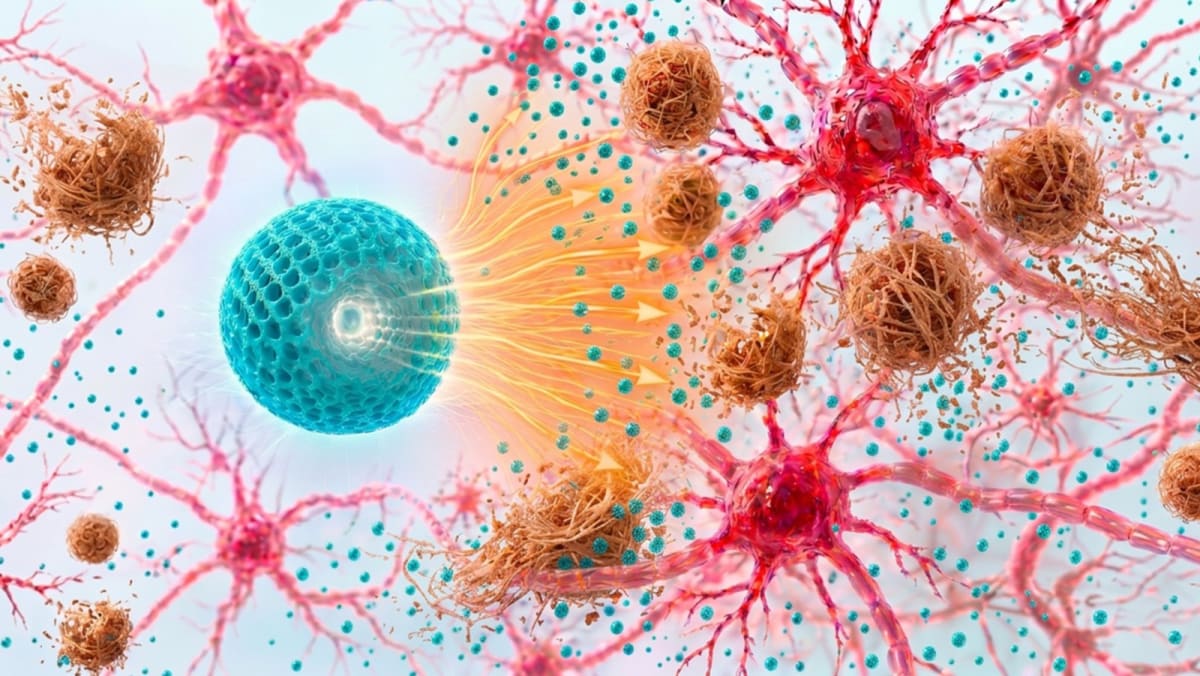
FDA Approves New Lung Cancer Drug with Fewer Side Effects
A newly approved lung cancer treatment offers hope for patients with a rare form of the disease, showing promising results with significantly fewer harsh side effects than existing options. The drug targets a specific genetic mutation affecting about 2% of lung cancer patients.
Patients fighting a rare type of lung cancer just gained a powerful new weapon in their battle, and this one comes with a gentler touch.
The FDA recently approved zidesamtinib for people with ROS1-positive non-small cell lung cancer who've already tried other treatments. This rare form affects roughly 2 in every 100 lung cancer patients, making targeted treatments like this absolutely critical for those who need them.
Dr. Miguel Gonzalez Velez, a medical oncologist at John Theurer Cancer Center in New Jersey, shared the exciting news with colleagues. The approval came after clinical trials showed the drug helped about 44% of patients respond to treatment, putting it right in the competitive range with other available therapies.
But here's where it gets really interesting. Early data suggests zidesamtinib may cause fewer neurological side effects than similar drugs, a game changer for patients already dealing with the physical and emotional toll of cancer treatment. Fewer side effects can mean better quality of life, more time with loved ones, and the ability to keep doing the things that matter most.
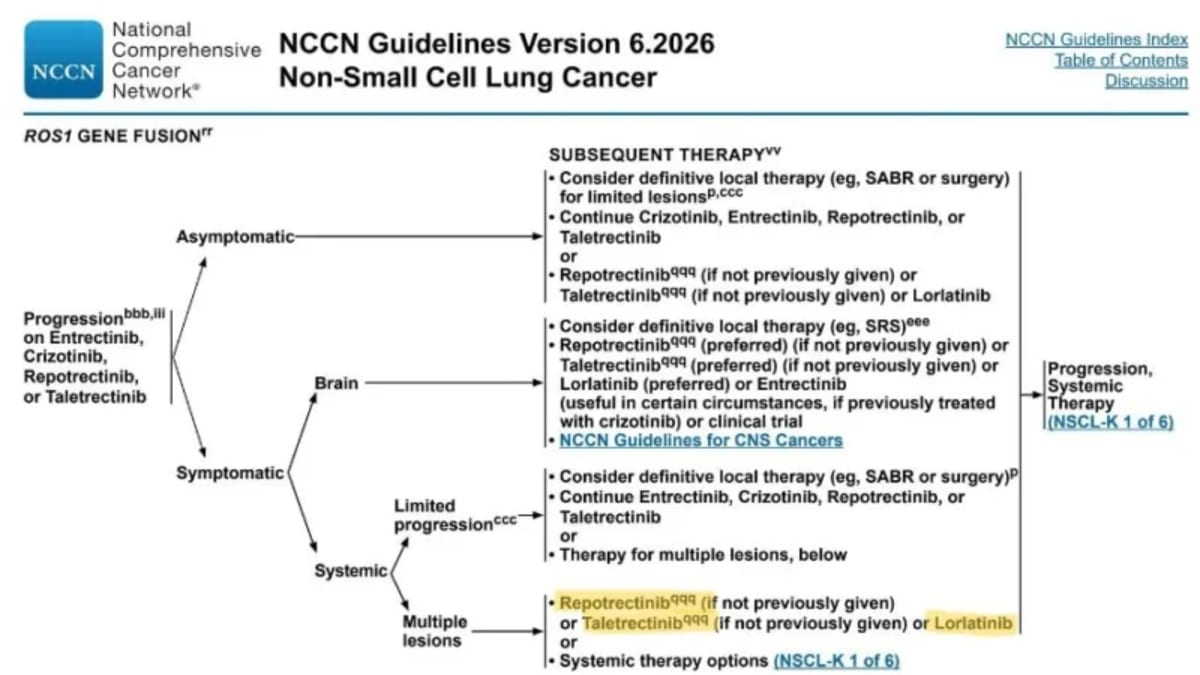
The drug joins a growing toolkit of options including taletrectinib, repotrectinib, and lorlatinib. Each works slightly differently, and doctors are already exploring how to best use them together or in sequence to give patients the longest, healthiest lives possible.
The Bright Side
This approval represents more than just another drug on the market. It shows how precision medicine is transforming cancer care from a one-size-fits-all approach into personalized treatment plans tailored to each patient's specific genetic makeup.
For the roughly 5,000 Americans diagnosed with ROS1-positive lung cancer each year, having multiple treatment options means hope doesn't end when one therapy stops working. Each new approval opens another door, another chance, another reason to keep fighting.
Researchers are already asking the next important questions: How well does it work for cancer that's spread to the brain? What happens with certain resistance mutations? The fact that scientists are planning ahead shows this field is moving fast, with patient survival as the North Star guiding every decision.
More options, better side effect profiles, and a community of doctors committed to finding answers add up to real progress for real people facing one of life's toughest challenges.
More Images


Based on reporting by Google: new treatment approved
This story was written by BrightWire based on verified news reports.
Spread the positivity!
Share this good news with someone who needs it