FDA Creates Fast Track for Rare Disease Gene Therapies
The FDA just made it easier for life-saving gene therapies to reach patients with ultra-rare diseases who previously had few treatment options. The new pathway means families won't have to wait years for cures when the science shows real promise.
Children born with ultra-rare genetic diseases may soon get access to life-changing treatments years faster than before, thanks to a groundbreaking new approval pathway announced by the FDA this week.
The agency's "plausible mechanism" framework allows gene therapies targeting specific genetic abnormalities to win approval with streamlined evidence requirements. For the first time, the FDA will consider individual patient experiences and real-world outcomes alongside traditional clinical data.
The change addresses a heartbreaking catch-22 that has blocked progress for decades. Ultra-rare diseases affect so few people that gathering hundreds of patients for traditional clinical trials becomes impossible. Meanwhile, families watch experimental therapies work in small studies but remain out of reach for years.
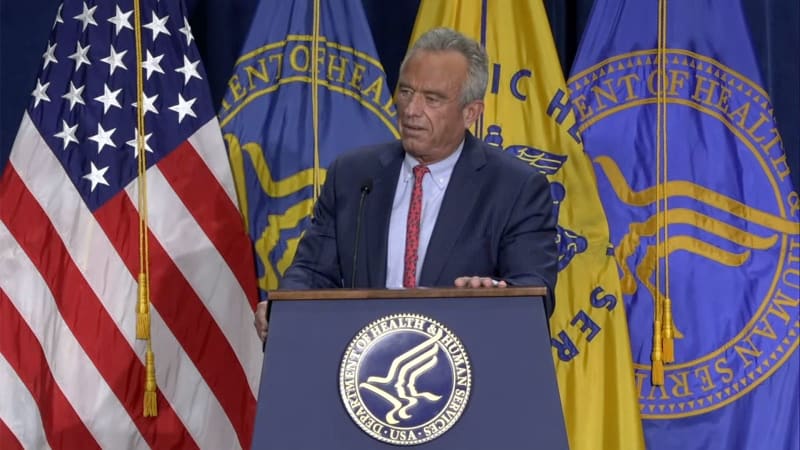
"For ultra-rare conditions, randomized controlled trials are often just not feasible," HHS Secretary Robert F. Kennedy Jr. explained at Monday's announcement. Under the new framework, one well-designed study backed by supporting evidence can now support approval.
The pathway focuses on therapies that target the root biological cause of disease and demonstrate they successfully correct or modify that underlying problem. Treatments must show improvement in clinical outcomes or disease progression compared to the natural history of untreated patients.
Dr. Kiran Musunuru from Penn's Cardiovascular Institute shared how this could transform his team's genetic therapy for heart disease. The treatment permanently reduces cholesterol by targeting a specific liver gene. By simply changing one component, the same platform could treat multiple genetic conditions.
"It will be a whole new medical subspecialty: interventional genetics," Musunuru said, describing a future where doctors routinely fix disease-causing genes at their source.
Why This Inspires
This announcement represents hope for thousands of families who've been told their child's condition is too rare to attract research funding or regulatory attention. Parents who've fundraised millions for experimental treatments may finally see those therapies reach approval.
The framework also eliminates a massive inefficiency: diseases caused by 100 different mutations in the same gene will no longer require 100 separate clinical trials. When the biology is clear and the treatment targets the root cause, one approval can help everyone with that condition.
The 60-day public comment period gives patient advocates, researchers, and families a chance to shape the final guidance before it takes effect.
Medical innovation just got a green light to move at the speed of science instead of bureaucracy.
Based on reporting by Google: new treatment approved
This story was written by BrightWire based on verified news reports.
Spread the positivity!
Share this good news with someone who needs it