FDA Fast-Tracks Blood Test That Could Catch Missed Strokes
A simple blood test could soon help doctors diagnose strokes in minutes, potentially saving thousands from disability or death. The FDA just granted breakthrough status to the first rapid blood test for detecting the most common type of stroke.
When someone is having a stroke, brain cells die every minute that treatment is delayed. But here's a problem doctors have struggled with for years: nearly one in six strokes gets missed during the initial diagnosis, putting patients at serious risk of disability or death.
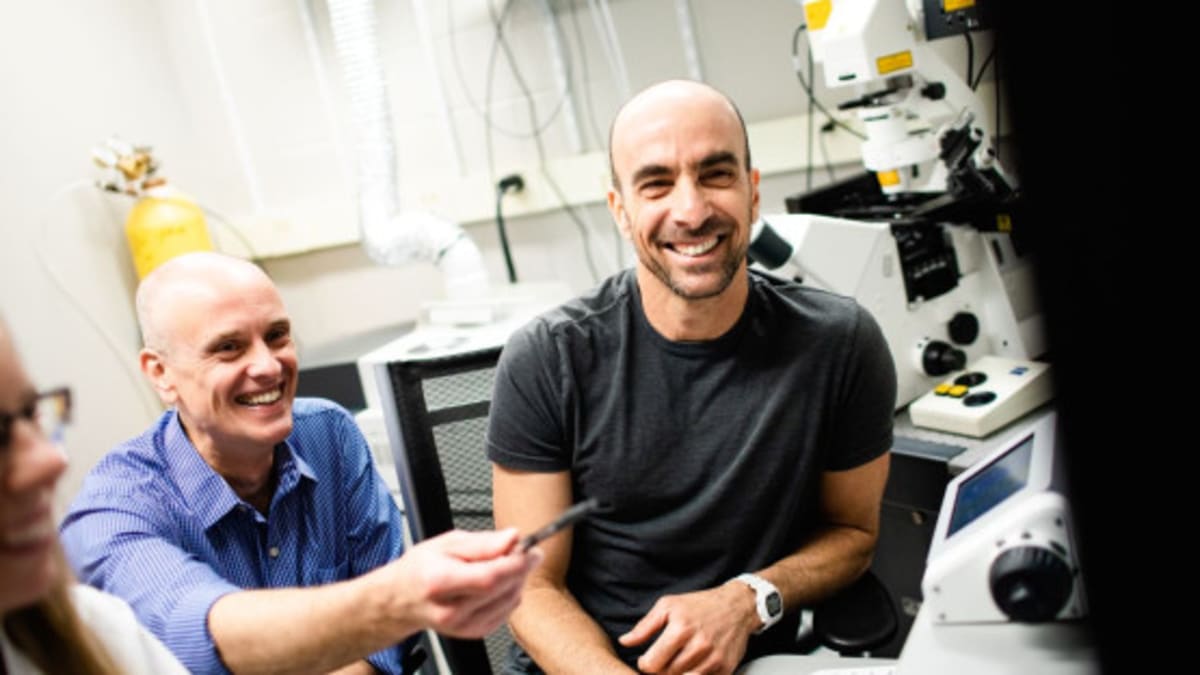
Two Cornell researchers just brought us closer to solving that crisis. Dr. Alexander Travis and Dr. Roy Cohen developed a breakthrough blood test that can rapidly detect acute ischemic stroke, the most common type that occurs when blood flow to the brain gets blocked.
The discovery started in an unexpected place: the Baker Institute for Animal Health at Cornell's veterinary college. While conducting reproductive biology research, Travis and Cohen identified a biomarker in blood that appears during acute ischemic strokes.
They knew this could change patient care. Along with Cornell Trustee Emeritus David Fischell, they founded TETmedical to turn their lab discovery into a real diagnostic tool.
That vision just hit a major milestone. The FDA granted Breakthrough Device Designation to NSE-FAST, making it the first rapid blood test designed to help diagnose acute ischemic stroke.
This designation isn't just a gold star. It gives TETmedical an accelerated pathway to work directly with the FDA, potentially shaving years off the development timeline.
The Ripple Effect
The impact could reach far beyond faster diagnosis. Current stroke identification relies heavily on imaging and clinical observation, methods that still miss about 16% of cases in emergency rooms and clinics.
A simple blood test would give doctors an additional tool to catch strokes they might otherwise miss. That's especially crucial in rural hospitals or smaller facilities without immediate access to advanced imaging technology.
Every stroke caught early means a better chance at preserving brain function. It means more people returning to their families without severe disability, more seniors maintaining their independence, and fewer lives cut short by a preventable tragedy.
The technology still needs to complete clinical trials and FDA approval before reaching hospitals. But the breakthrough designation signals the FDA recognizes both the urgent need and the promise of this innovation.
Why This Inspires
This story shows how curiosity-driven research in one field can spark solutions in completely different areas. Travis and Cohen weren't setting out to revolutionize stroke care when they started their work at an animal health institute.
They stayed curious, recognized potential beyond their original research, and took the entrepreneurial leap to bring their discovery to patients who need it. Now their work from the veterinary lab could help millions of people facing one of medicine's most time-sensitive emergencies.
For the estimated 795,000 Americans who experience a stroke each year, a faster, more reliable diagnosis could make the difference between recovery and tragedy.
Based on reporting by Google News - Tech Breakthrough
This story was written by BrightWire based on verified news reports.
Spread the positivity!
Share this good news with someone who needs it