Humanoid Robots Complete First Live Surgery at UC San Diego
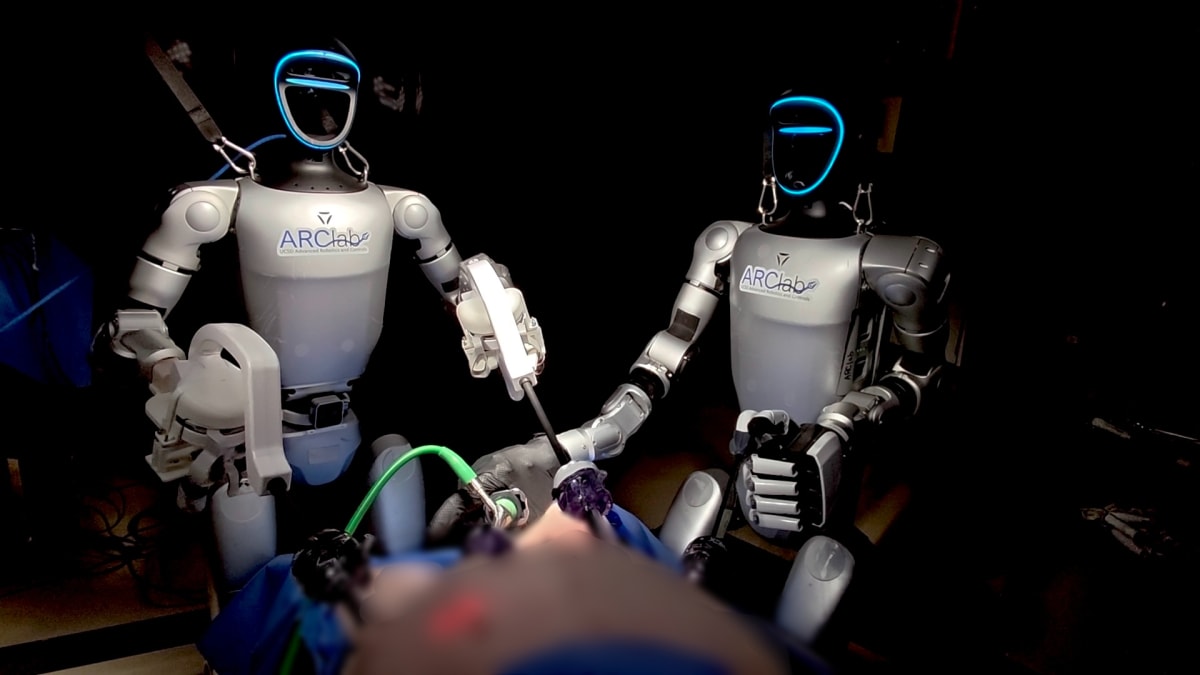
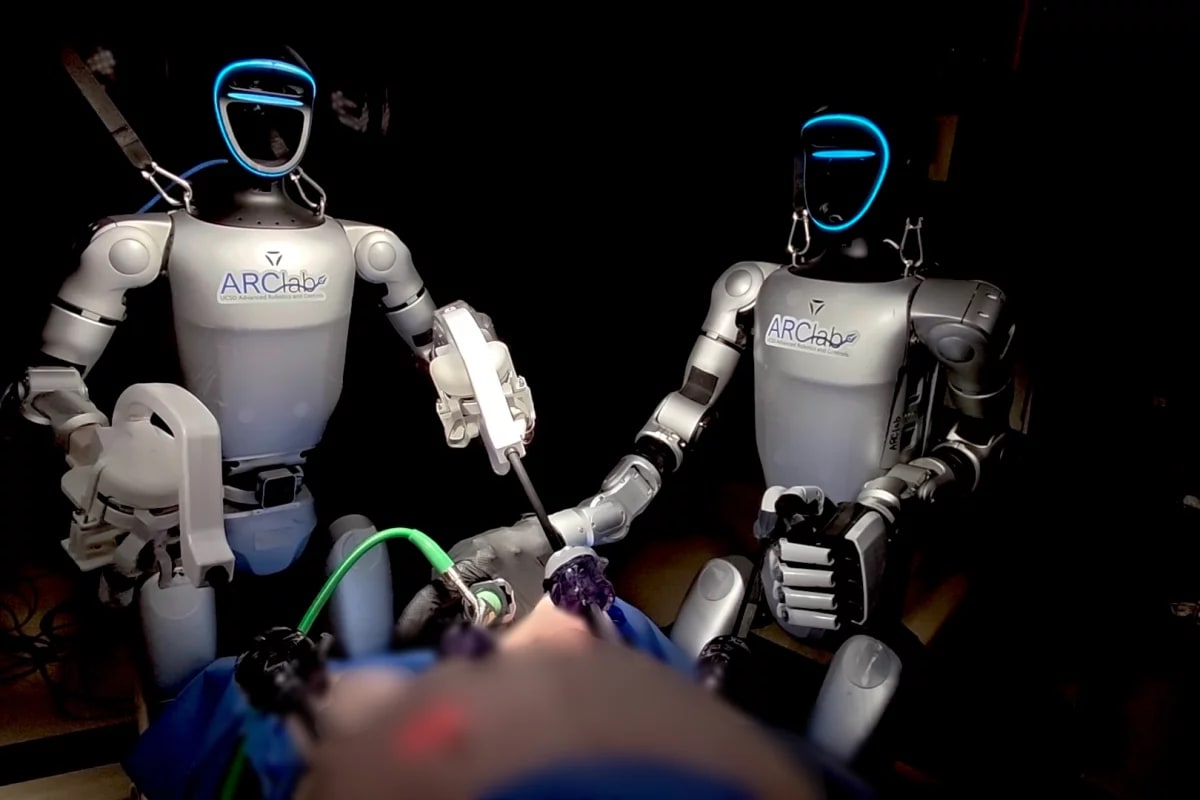
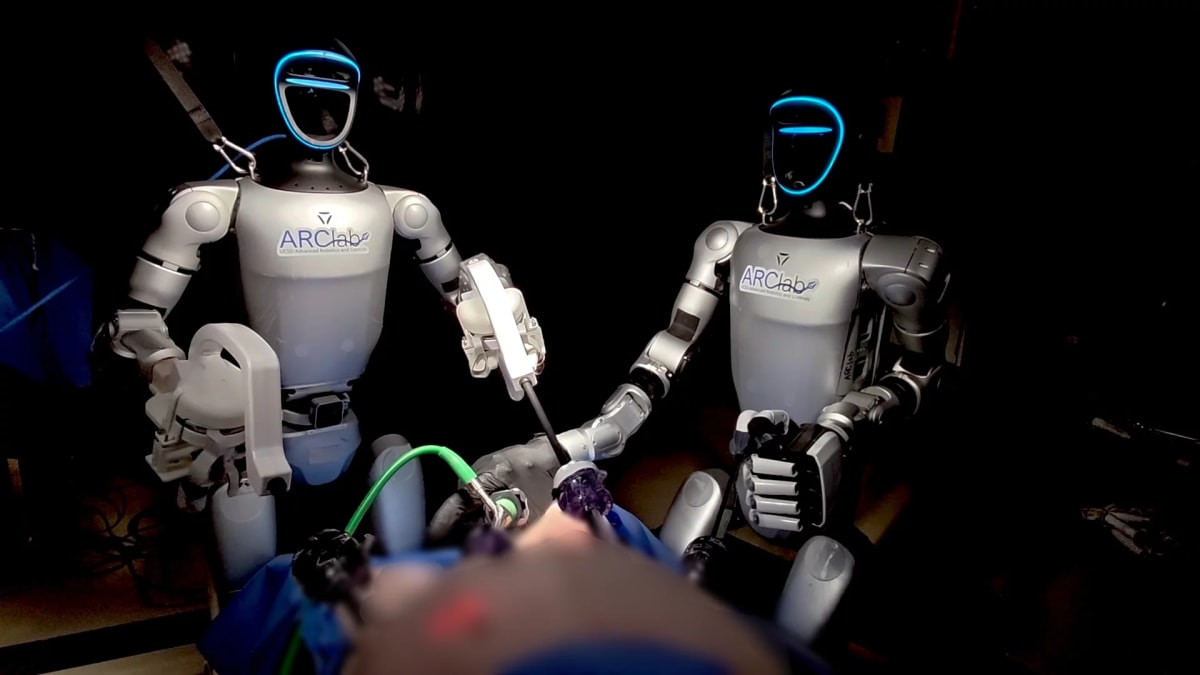
Two humanoid robots just successfully performed live gallbladder removal surgeries, marking a breakthrough that could bring expert surgical care to rural areas and disaster zones. The lightweight robots worked alongside human surgeons and even completed one operation independently.
Imagine getting expert surgery in a remote clinic thousands of miles from the nearest hospital, with a world-class surgeon guiding robotic hands in real time. That future just moved from science fiction to reality at UC San Diego, where humanoid robots completed their first live surgical procedures.
The surgeons didn't hand over control blindly. They directed every movement remotely while the robots performed two gallbladder removals on large mammals, with one robot working alongside a human assistant and two robots completing the second surgery entirely on their own.
This isn't just a flashy tech demo. UC San Diego's team designed these robots to solve a real crisis: the severe shortage of surgeons in rural areas, disaster zones, and underserved communities where surgical backlogs leave patients waiting months or longer for care.
Traditional surgical robots can't help because they weigh around 1,764 pounds and require entire operating rooms rebuilt around them. The humanoid system, nicknamed Surgie, weighs just 60 pounds and stands five feet tall, compact enough to wheel into a field hospital or small rural clinic.
Dr. Shanglei Liu, who personally operated one of the robots during the trials, puts it simply: "It's a fraction of the cost, and it takes a fraction of the space in an operating room. So it's easy to deploy, anywhere from rural areas to the battlefield and even to space."
The robots gripped standard surgical tools fitted with special adapters, moving through each step of the procedures. The operations took longer than usual and needed some recalibration mid-surgery, but the technology worked exactly when it mattered most.
The Ripple Effect
The real promise extends beyond emergency situations. These humanoid robots could eventually fetch instruments, prepare operating rooms, and work as full team members alongside human staff, multiplying what small surgical teams can accomplish.
Dr. Michael Yip, the engineering professor who co-authored the research published in Nature, sees a transformed future: "Many communities struggle with adequate staffing on the surgical team, which means patients are not being treated. Our goal is an operating theater of the future, where humanoid robots and humans work side by side."
The human shape matters more than you might think. Because these robots can navigate spaces designed for people, they work in existing facilities without expensive renovations, making advanced surgical care accessible to communities that have never had it.
Every surgical robot started somewhere, and today's smooth, precise systems were once slow and clunky too. Expert surgical care reaching every community that needs it, no matter how remote, is a future worth building toward.
More Images

Based on reporting by New Atlas
This story was written by BrightWire based on verified news reports.
Spread the positivity!
Share this good news with someone who needs it