Filipino Storm Survivors Sue Shell for Climate Damages
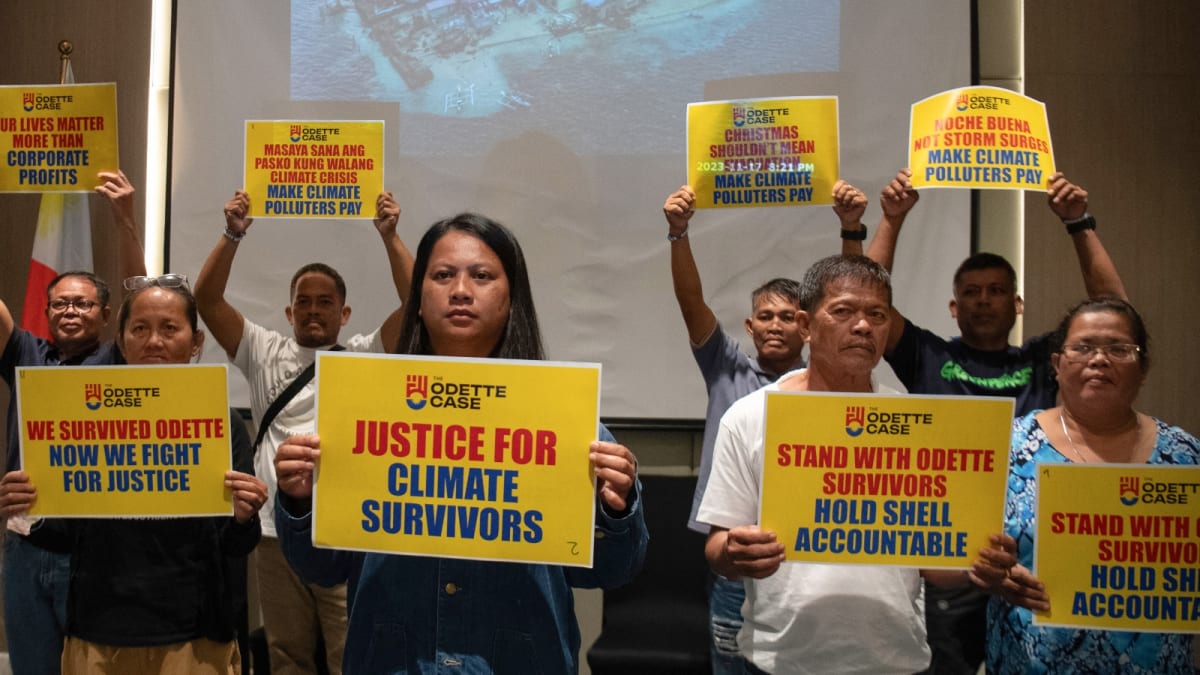
After losing everything to a devastating typhoon, 67 Filipino survivors are taking fossil fuel giant Shell to court in a groundbreaking climate justice case. It's the first lawsuit directly linking a major oil company to deaths and injuries from climate impacts in vulnerable communities.
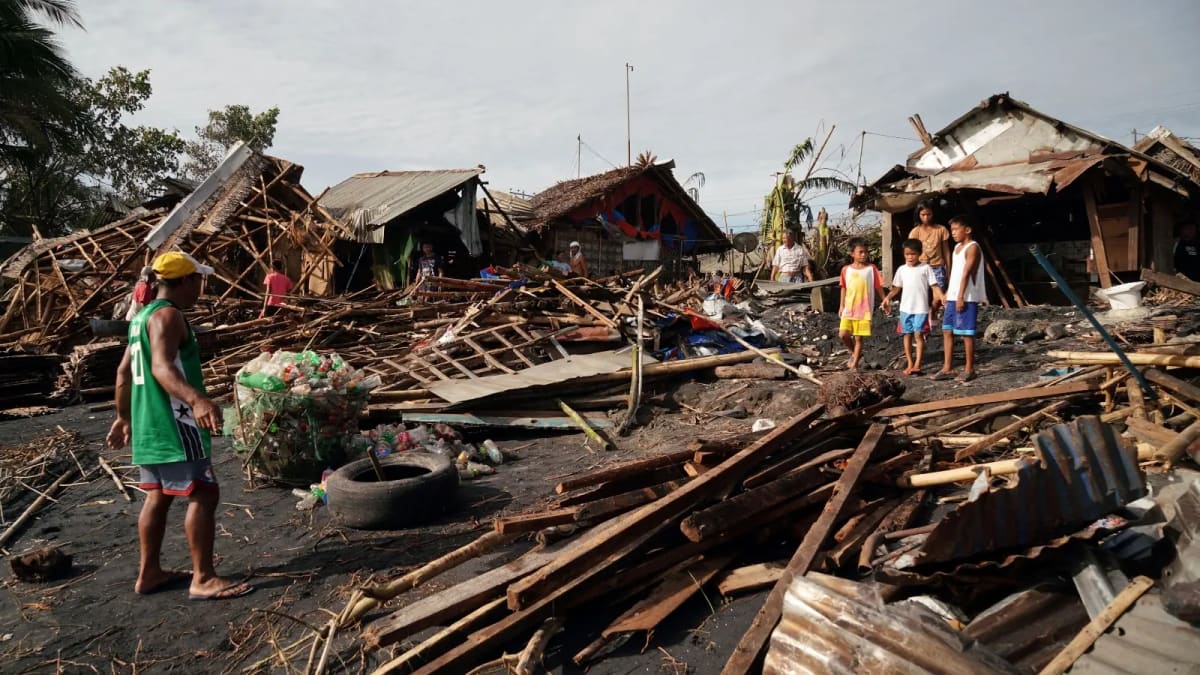
When Trixy Elle's home on Batasan Island in the Philippines was destroyed by Super Typhoon Rai in 2021, she and her family were left with nothing but the clothes on their backs. In the desperate days that followed, they survived by eating livestock killed in the storm while waiting for help to arrive.
The 35-year-old mother couldn't shake one question: why do communities that contribute almost nothing to climate change suffer the most from its impacts? That question sparked a journey toward justice that's now making history.
In December 2025, Elle joined 66 other typhoon survivors in suing Shell at the Royal Courts of Justice in London. Their case argues that Shell's historic emissions worsened the typhoon that killed more than 400 people and displaced 1.4 million Filipinos. The lawsuit also points out that Shell has known since the 1960s about the climate risks its operations posed to vulnerable communities.
Scientists confirm that climate change is making storms like Rai more frequent and more intense. This case marks the first time a major fossil fuel company faces a civil lawsuit directly linking its emissions to climate deaths and injuries in the Global South.
The timing couldn't be more important. While climate lawsuits have surged worldwide over the past decade, communities in the Global South account for less than 10% of cases despite being home to the world's most climate-vulnerable populations. Of 3,099 climate cases filed globally by mid-2025, nearly two-thirds came from the United States alone.
Asia is finally catching up. South Korea's Constitutional Court ruled in 2024 that parts of the country's climate law were unconstitutional for failing to protect future generations. India's Supreme Court recognized protection from climate impacts as a fundamental constitutional right. In Malaysia, activists filed the country's first greenwashing lawsuit against false carbon-neutral claims.
The Ripple Effect
Legal experts once doubted climate litigation would take root in Asia, citing cultural barriers and weak rule of law. But communities like Elle's are proving them wrong. Each new case creates a roadmap for others, testing how courts interpret climate obligations and showing where change is possible.
Win or lose, these lawsuits matter beyond the courtroom. They're forcing conversations about responsibility, justice, and who pays the price for climate change. They're giving voice to communities that have been ignored for too long.
For Elle and her fellow survivors, the lawsuit represents something deeper than compensation: it's about demanding accountability and ensuring future generations don't face the same devastation without support.
More Images
Based on reporting by Grist
This story was written by BrightWire based on verified news reports.
Spread the positivity!
Share this good news with someone who needs it