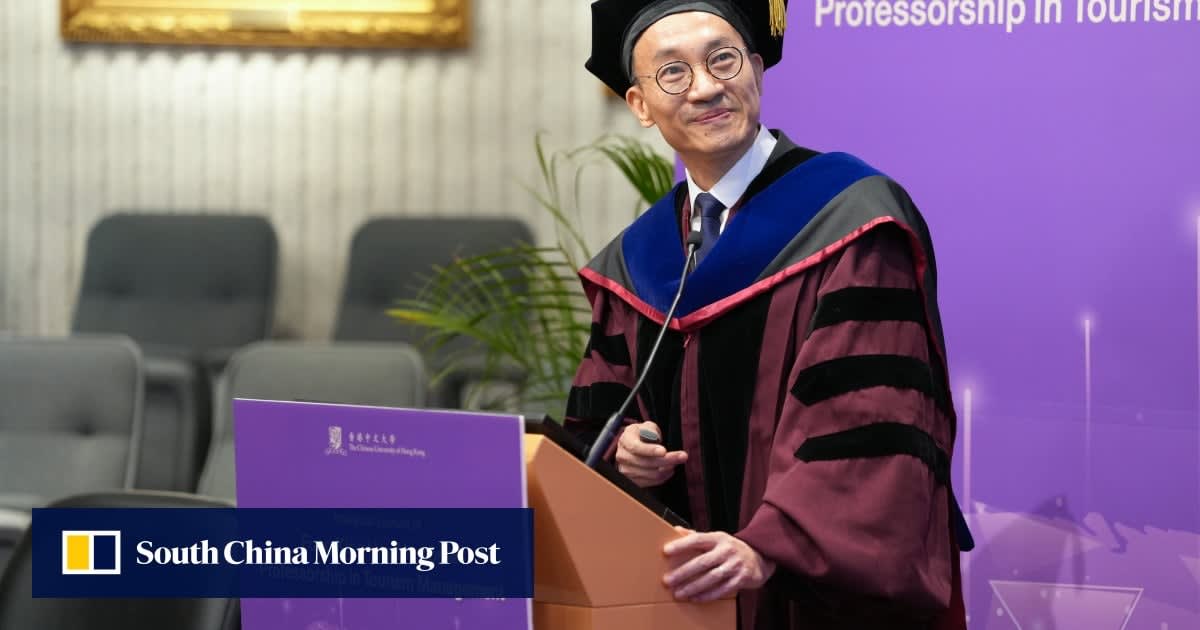
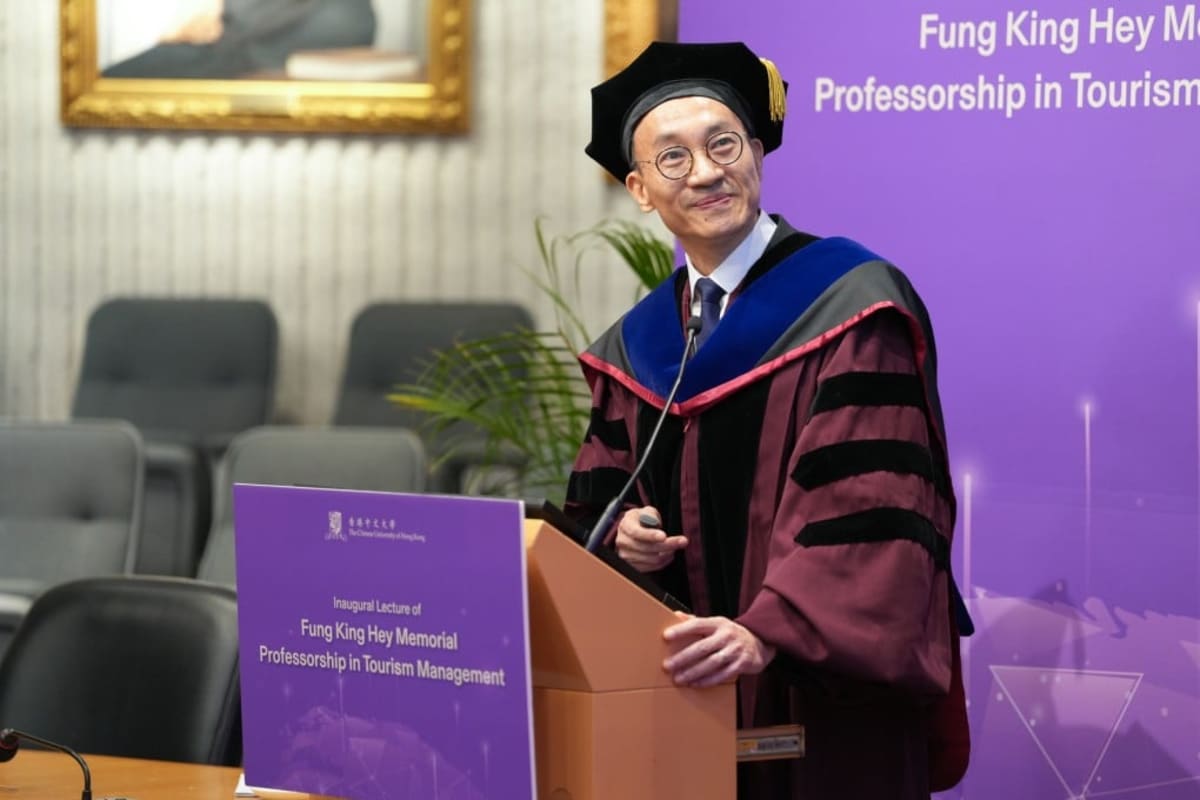
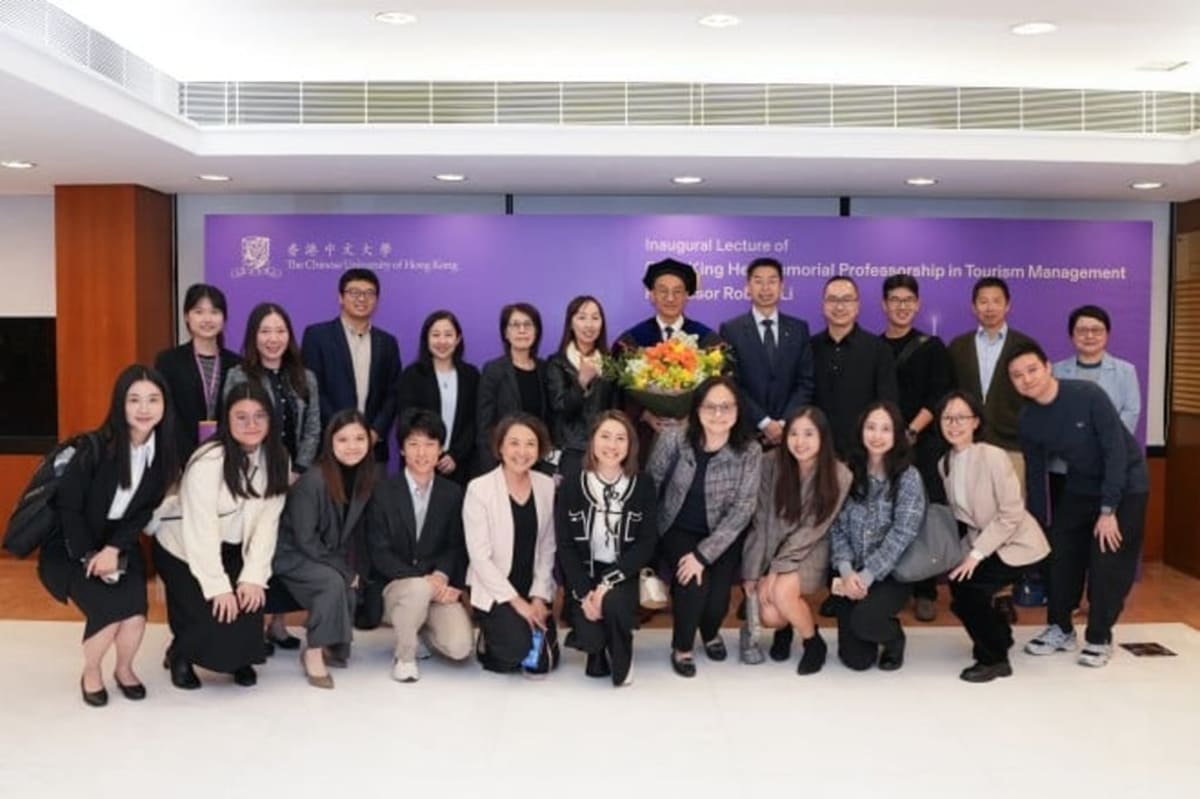
Professor Bridges Tourism Research and Real-World Impact
A tourism scholar is revolutionizing how academia connects with industry by turning complex research into tools that help people live better. His work spans well-being, mental health, and making vacation time healthier for workers worldwide.
For 20 years, Professor Robert Li watched academics and tourism professionals work in separate worlds, never quite speaking the same language.
He decided to change that. Now at the Chinese University of Hong Kong Business School, Li has built what he calls "research programmes" that don't just generate papers but reshape how the tourism industry actually works.
His journey started at the Nanjing Municipal Tourism Bureau, where he marketed destinations without fully understanding what made them appealing. Questions haunted him: What makes a city's image stick? Why do some marketing messages work while others vanish?
Those curiosities pushed him to graduate school in the United States, then into a two-decade academic career with a twist. Instead of chasing theoretical questions that only other professors care about, Li builds long-term research projects that solve real problems.
His tourism and well-being research has given employers and tourism boards actual data to fight unhealthy workplace norms around vacation time. Other projects explore travel as "lifestyle medicine" for depression, loneliness in seniors, and dementia-friendly tourism.
But Li noticed another problem. Brilliant research sat trapped in English-language journals that most Chinese tourism professionals would never read.
So he created a WeChat platform that transforms dense academic articles into short, accessible stories. Complex findings became digestible insights for people who'd read a good story on their phones but never crack open a scholarly journal.
The Ripple Effect
Li's "compleat scholar" approach is spreading beyond tourism. His work bridges computer science, psychology, linguistics, public health, and industry practice into frameworks that evolve over years.
After 23 years in America, he returned to Asia specifically to apply global tourism insights in an Asian context. He believes the biggest shift in hospitality isn't about hotels or restaurants anymore but about creating experiences people genuinely care about.
At CUHK, he's designing what he calls "gen business" courses, general business concepts tailored to the experience economy. As tourism, retail, culture, sports, entertainment, and healthcare increasingly blend together, his research helps industries understand what people actually need.
His philosophy is simple: academics should speak both rigorous academic language and plain language that informs industry, media, government, and communities. Research should build bridges, not walls.
Thousands of Chinese tourism professionals now access cutting-edge research they'd never have seen otherwise, and Western academics gain insights from Asian contexts they might have missed.
More Images
Based on reporting by South China Morning Post
This story was written by BrightWire based on verified news reports.
Spread the positivity!
Share this good news with someone who needs it