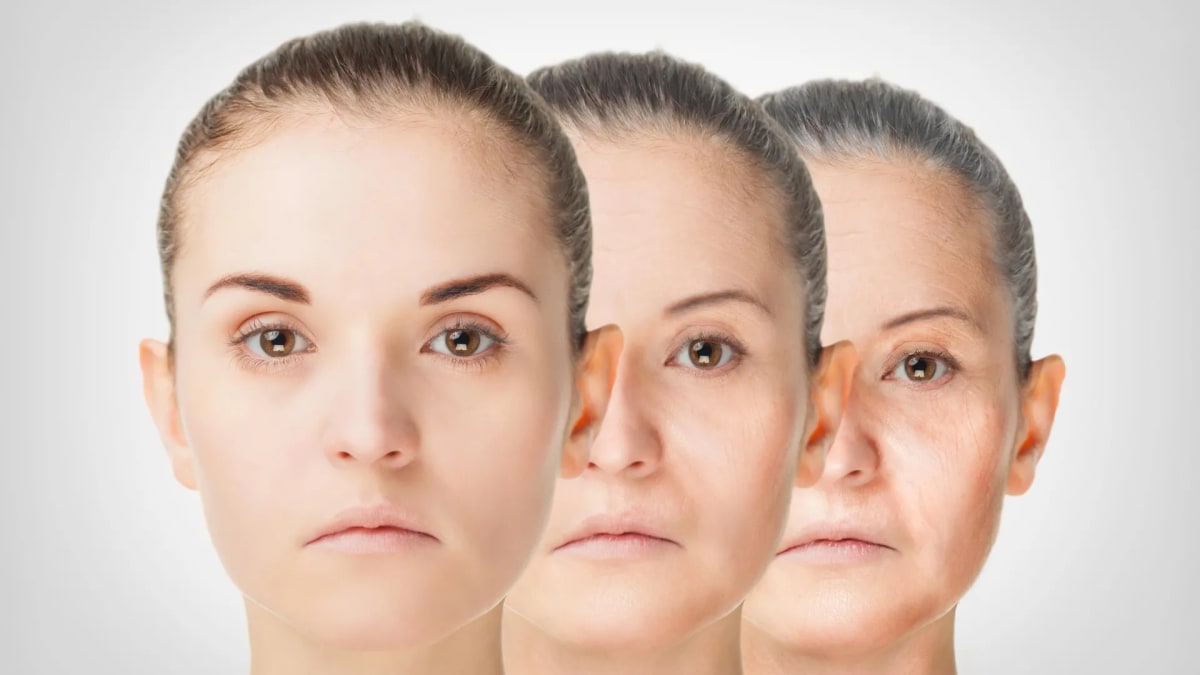
Finland Study Tracks 9,800 Lives From Birth to Age 60
Nearly 10,000 people who've been studied since before they were born are now turning 60, giving scientists an unprecedented window into what creates a healthy life. The Northern Finland Birth Cohort is combining six decades of health data with cutting-edge digital tools to unlock the secrets of aging well.
Imagine being part of a study that started before you were even born and continues to follow you through every stage of your life.
That's the reality for nearly 10,000 people in Finland who are now reaching age 60. The Northern Finland Birth Cohort 1966 began tracking these individuals during their mothers' pregnancies and has collected health information on them ever since.
The University of Oulu launched this groundbreaking study in 1965. Today, it represents one of the world's most comprehensive lifelong health tracking projects, spanning more than six decades of biological, social, and environmental data.
Now researchers are adding modern technology to their toolbox. The 9,800 living participants in Finland are being invited to wear activity trackers and Oura rings that monitor sleep, physical activity, and daily functioning in ways traditional doctor visits never could.
Professor Sylvain Sebert, the study's scientific director, explains why this moment matters. Around age 60, many aging-related processes begin to emerge, making it the perfect time to understand how early life shapes later health.
The timing couldn't be more important. Finland expects its population over 75 to double within 25 years, mirroring trends across Europe and beyond.
The researchers aren't treating aging as a disease. Instead, they're studying it as a natural process that can be supported throughout life, viewing healthy aging as a fundamental human right.
The study has already revealed how health develops through complex interactions of social, environmental, biological, and behavioral factors. Now it's focused on identifying what helps people stay resilient and avoid chronic diseases as they age.
Finland provides an ideal setting for this research. Its comprehensive health care registers and relatively stable population enable accurate tracking of health outcomes over time in ways few other countries can match.
The Ripple Effect
The insights from this study reach far beyond Finland's borders. International research teams are using the data to study genetics, metabolism, cognition, and environmental factors that influence health worldwide.
The findings could reshape how health systems support people throughout their lives. By understanding which early life factors predict healthy aging, doctors and policymakers can create better prevention strategies before chronic conditions like heart disease, dementia, and cancer take hold.
The digital health tools being tested also offer a model for inclusive health care transformation. By providing these technologies directly to participants rather than requiring people to buy them, researchers are exploring how to integrate digital solutions without increasing inequality.
This approach could help health systems worldwide become more sustainable while supporting people's ability to stay healthy and independent as they age.
Six decades of following the same people from before birth into their senior years is creating a treasure trove of knowledge about what makes a healthy life possible at every stage.
More Images



Based on reporting by Medical Xpress
This story was written by BrightWire based on verified news reports.
Spread the positivity!
Share this good news with someone who needs it