Finnish Airports Master Winter Flying at -37°C
While airports across Europe grind to a halt in winter weather, Finland's Arctic airports keep planes flying safely in extreme cold. Here's how they turn winter chaos into seamless operations.
When temperatures plunged to minus 37 degrees Celsius at Finland's Kittilä airport in January, most flights kept running despite conditions that would paralyze airports elsewhere. The Nordic nation has perfected the art of winter aviation through innovation, planning, and specialized equipment that turns extreme weather into business as usual.
Finnish airports face winter conditions that sound impossible to manage. Heavy snowfall, thick ice, and temperatures that freeze metal solid are daily occurrences from November through March.
But Helsinki Airport clears its massive 3,500 meter runways in just 11 minutes using a fleet of 200 specialized vehicles. The secret weapons are 31 ton Vammas PSB 5500 sweeper blowers that combine plowing, sweeping, and blowing snow in one powerful pass.
The airport employs 135 trained maintenance workers, including 75 seasonal specialists hired just for winter operations. They work in carefully choreographed teams, clearing runways in rotating patterns so two of the airport's three runways always stay open.
Planning starts 12 hours before snow even falls. Airport managers arrange where planes will park so maintenance crews can clear large sections of the apron at once, making every minute count when weather hits.
Even airports beyond the Arctic Circle rarely close. Ivalo Airport cancelled just one flight during a minus 35 degree cold snap in 2023, keeping all other operations running normally through conditions that seem unimaginable to travelers from warmer climates.
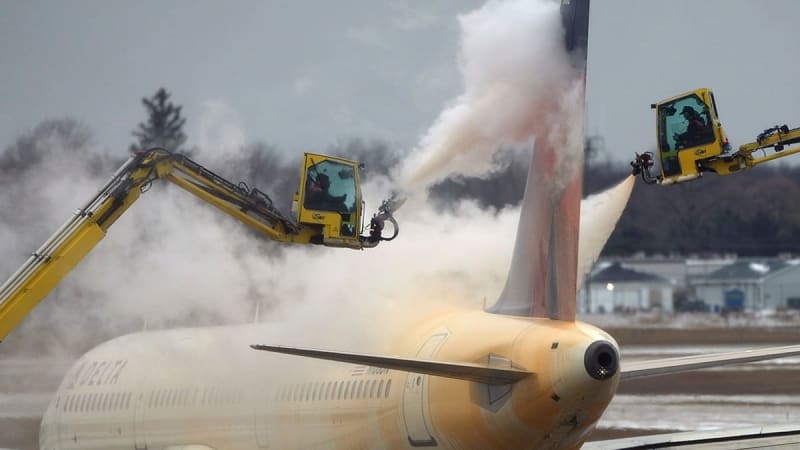
The real challenge isn't snow on runways but ice coating aircraft wings and mechanical parts. Ice disrupts airflow around wings, which can cause planes to stall and crash if not removed before takeoff.
De-icing each aircraft takes 10 to 30 minutes using warm water followed by antifreeze spray. When moisture fills the air during extreme cold, every departing plane needs this treatment, creating bottlenecks even at well prepared airports.
Finland's winter aviation expertise stands in sharp contrast to recent chaos at Amsterdam's Schiphol airport. Over 3,000 flights were cancelled in early January when the airport's limited de-icing facilities and depleted antifreeze supplies couldn't keep pace with demand.
The Ripple Effect
Finland's winter airport operations prove that extreme weather doesn't have to mean travel chaos. Their methods are now being studied by airports across Europe looking to improve their own winter resilience.
The lessons extend beyond aviation into how communities prepare for predictable challenges. Investing in the right equipment, training specialized teams, and planning ahead transforms impossible conditions into manageable routine.
Finnish airports handle around 800 hours of heavy snow clearing each winter season, and each successful operation builds expertise for the next storm. What looks like magic to stranded travelers elsewhere is simply the result of taking winter seriously and preparing accordingly.
When other airports face unexpected cold, Finland's Arctic airports just call it Tuesday and keep the planes moving safely through the frozen sky.
More Images


Based on reporting by Euronews
This story was written by BrightWire based on verified news reports.
Spread the positivity!
Share this good news with someone who needs it