Fire Hoses Now Save Endangered Monkeys in Malaysia
A conservationist turned old fire hoses into rope bridges that help endangered dusky langurs cross busy roads safely. Since the first bridge opened in 2019, langur roadkill deaths dropped to zero at that location.
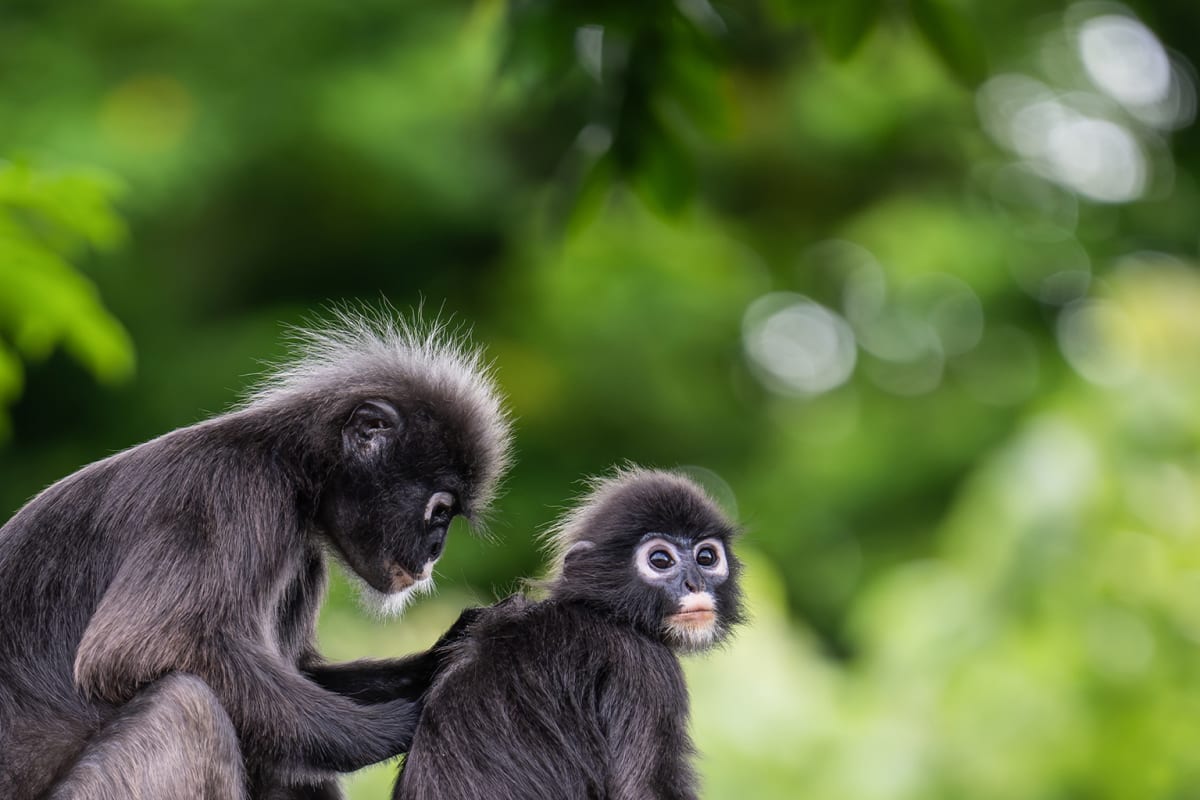
When Yap Jo Leen watched a dusky langur named Towkay Soh get hit by a car in 2016, she knew something had to change. The endangered monkey, recognizable by white eye masks against black fur, was one of eight langurs killed crossing roads in Malaysia's Penang Island between 2016 and 2018.
Yap was studying the primates for her master's degree when the accident happened. She blocked traffic while the injured langur retreated to safety, watching as other female langurs groomed and comforted their hurt companion.
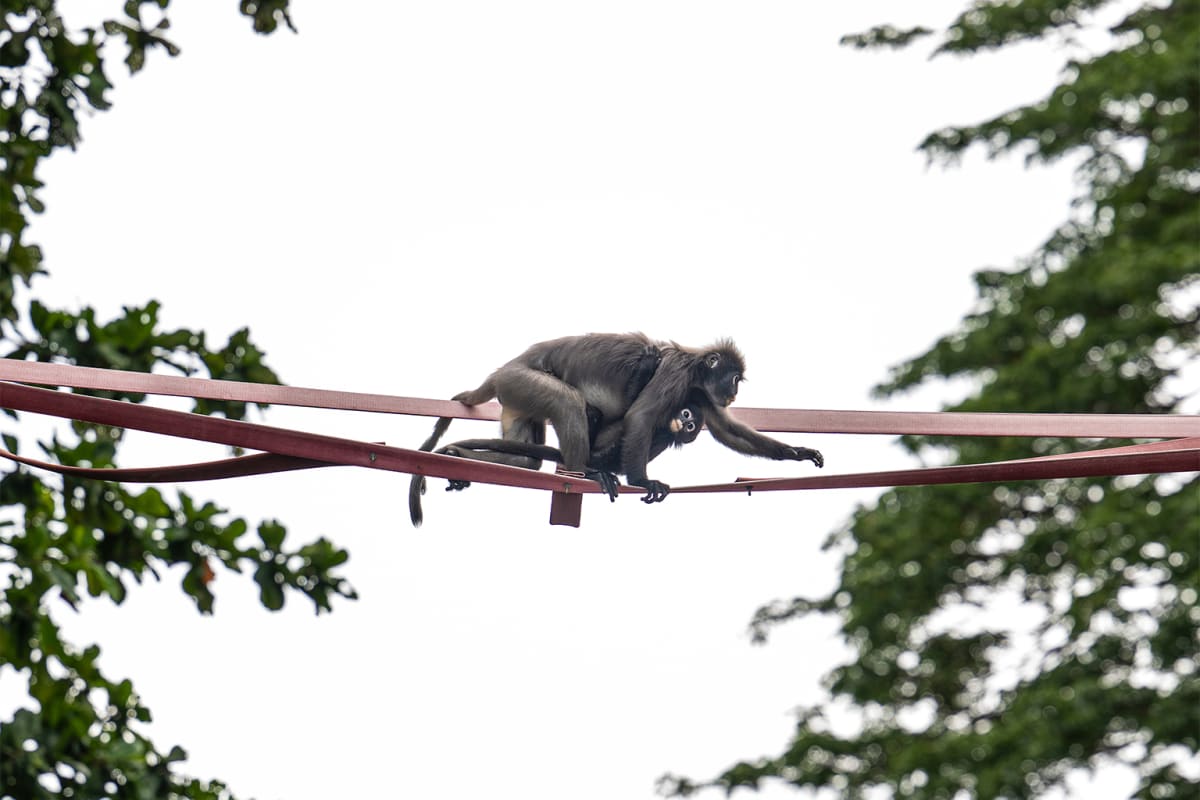
That moment of connection sparked an idea. In 2019, Yap and her team built the first artificial canopy bridge from repurposed fire hoses stretched over a busy coastal road. The langurs took to it immediately.
Since that first bridge installation, researchers have recorded zero langur roadkill deaths at the site. The success led Yap to expand her vision, and by 2023, two more bridges crossed Penang's roads.
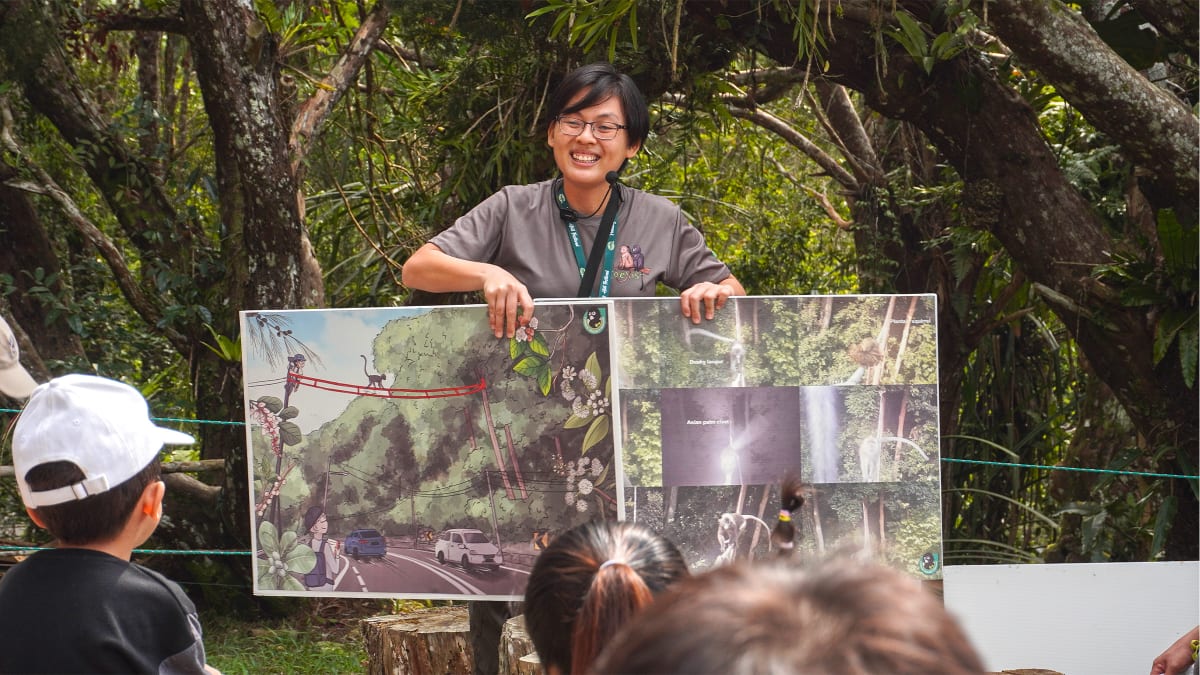
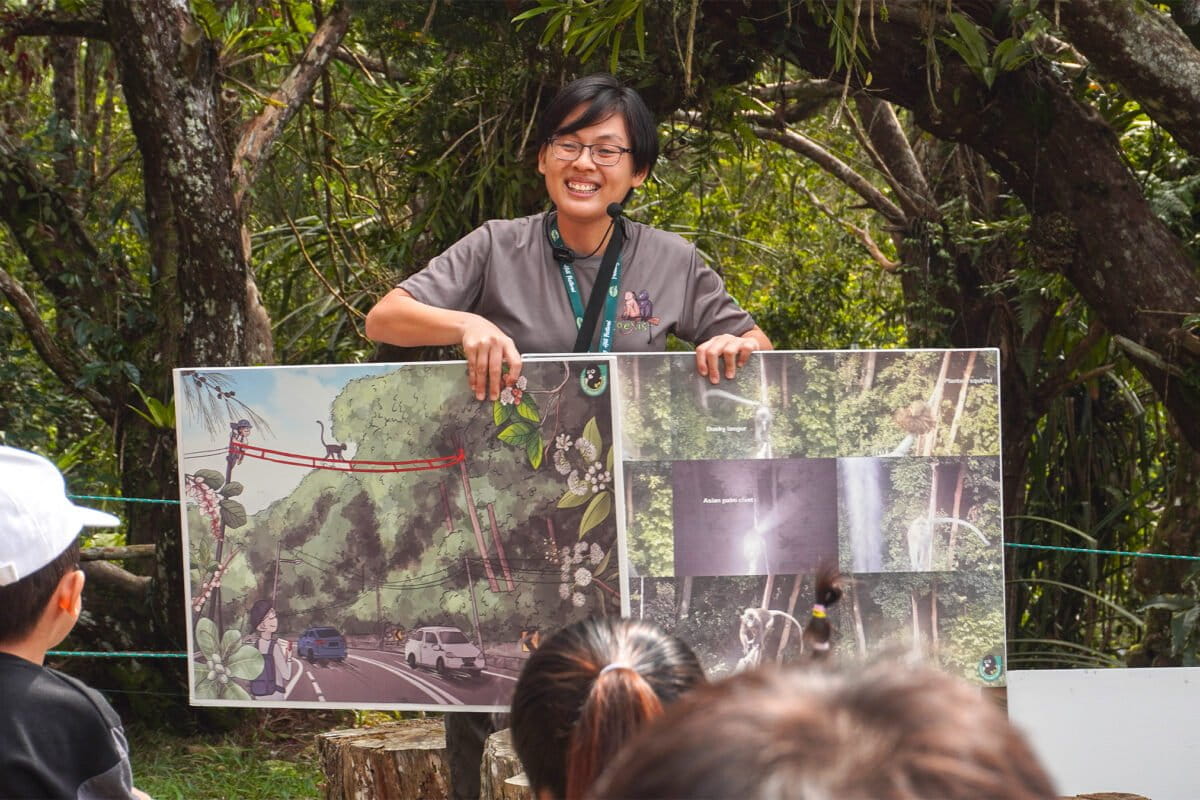
But Yap's Langur Project Penang does more than build bridges. The organization trains volunteer citizen scientists to track langur movements, collect GPS data, and study their behavior. A former volunteer now leads the environmental education program, teaching schoolchildren and companies how to coexist with urban wildlife.
One local international school partnered with the project to help students develop tracking codes for exotic squirrels on campus. The kids log behaviors and learn that primate observation isn't just for scientists anymore.
The Ripple Effect
Revenue from the education programs funds more conservation work. Meanwhile, rapid urbanization on Penang Island keeps pushing people and primates closer together, making the bridges and community education more critical every day.
Yap's approach tackles multiple problems at once. The bridges reduce roadkill and human-wildlife conflict while serving as living classrooms. Local communities learn that sharing space with wildlife doesn't mean choosing between development and nature.
The project gives young people hands-on conservation experience that's often hard to find. Volunteers gain practical skills while contributing to real scientific research, building the next generation of wildlife stewards.
Yap believes primate watching could become as popular as bird watching. Her team proves that conservation works best when entire communities participate, not just academic researchers in labs.
The long-term goal isn't just more bridges across Malaysia. Yap wants to foster a culture where humans and urban wildlife naturally coexist, where communities actively protect the animals sharing their neighborhoods.
Three simple rope bridges made from recycled equipment now stand as proof that creative solutions and community involvement can solve conservation challenges.
More Images
Based on reporting by Mongabay
This story was written by BrightWire based on verified news reports.
Spread the positivity!
Share this good news with someone who needs it