First Human Gets Cell-Rejuvenating Gene Therapy for Vision
Scientists have treated the first person with a groundbreaking gene therapy that makes old cells act young again, aiming to restore vision lost to glaucoma. This marks the beginning of testing whether cellular rejuvenation can safely treat human disease.
Imagine if doctors could make your aging cells remember what it felt like to be young. That future just took its first human step when Life Biosciences in Boston treated a person with glaucoma using a therapy designed to reverse cellular aging.
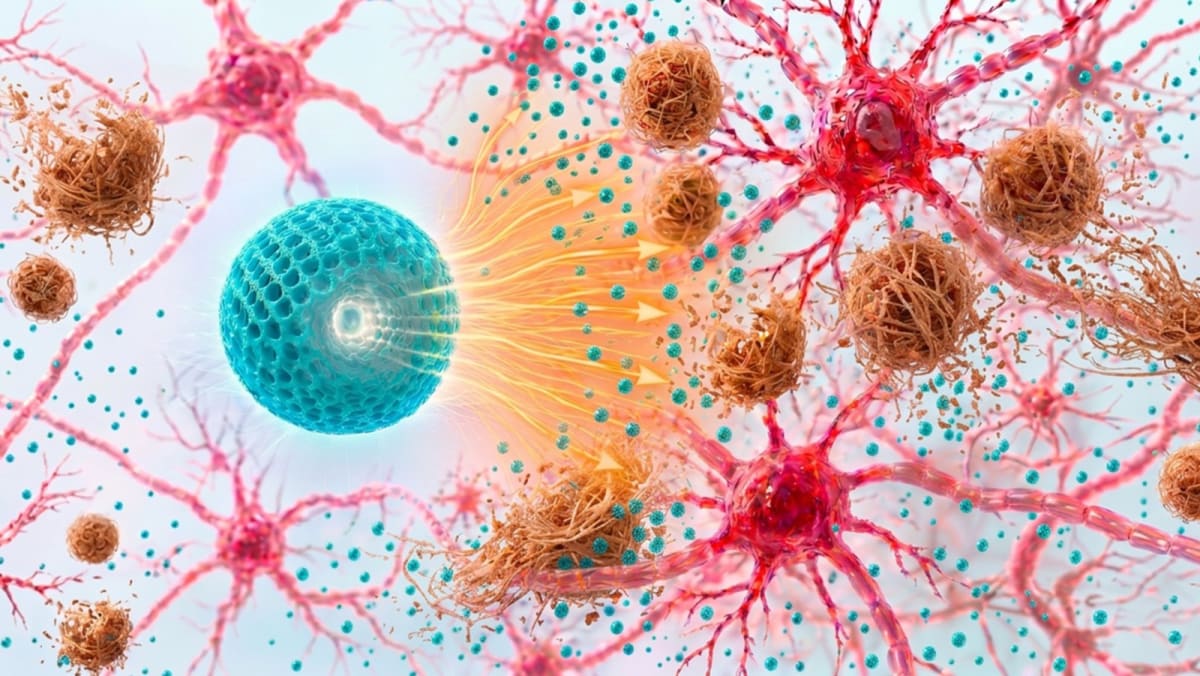
The treatment activates three special genes that essentially hit the rewind button on old cells. These genes help aged cells behave like their younger selves without losing their specialized job in the body, a delicate balance scientists call "partial reprogramming."
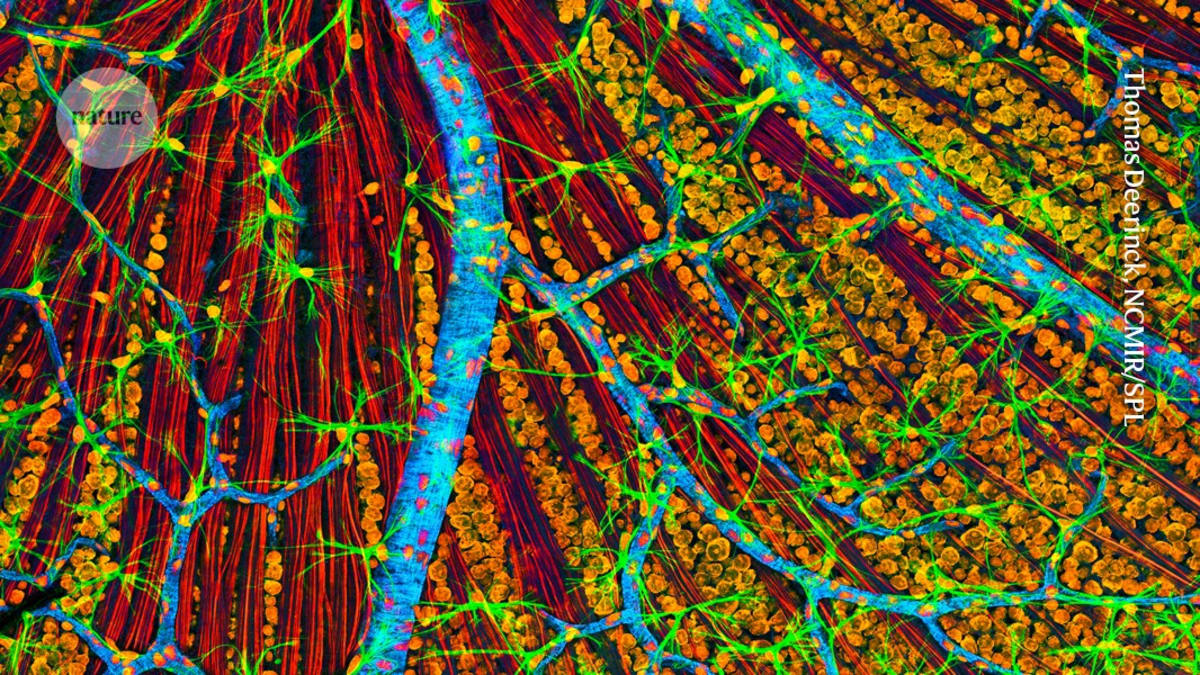
For this first trial, researchers are targeting the optic nerve, which connects the eye to the brain and gets damaged in people with glaucoma. These nerve cells normally can't regenerate in adults, leading to progressive vision loss. The hope is that rejuvenated cells will regrow and restore sight.
The approach already worked remarkably well in animals. A 2020 study from Harvard Medical School showed that activating these three genes in mice reversed vision loss in aged mice and those with glaucoma. Since then, Life Biosciences has tested the treatment in rodents and monkeys without seeing serious side effects.
Scientists chose the eye for good reason. Testing partial reprogramming in eyes is safer than trying it in vital organs first, since complications are less likely to be life threatening. The eye serves as a careful proving ground for this revolutionary approach.
Why This Inspires
This trial represents decades of scientific dreaming becoming reality. The same genes that can turn adult cells back into stem cells in the lab are now being carefully harnessed to help someone see again.
The stakes extend far beyond one person's vision. If partial reprogramming proves safe and effective, it could open doors to treating aging-related diseases across the body. Scientists could potentially rejuvenate old organs and reverse damage once thought permanent.
The technology is still early, and researchers are proceeding carefully. There's concern that pushing cells too far back could trigger cancer or other serious problems. That's exactly why this methodical, safety-focused trial matters so much.
Sharon Rosenzweig-Lipson, chief scientific officer at Life Biosciences, says the company has studied the approach extensively in animals without seeing serious adverse effects. Now comes the crucial test in humans.
The trial will carefully monitor safety as researchers learn whether laboratory success translates to human healing. Every data point collected will inform whether cellular rejuvenation can move from scientific concept to medical reality.
For someone facing vision loss from glaucoma, this trial offers something precious: hope grounded in solid science that their cells might remember how to heal.
More Images

Based on reporting by Google News - Health
This story was written by BrightWire based on verified news reports.
Spread the positivity!
Share this good news with someone who needs it