First Human Gets Gene Therapy to Reverse Cell Aging
Scientists have treated the first person with a groundbreaking gene therapy designed to make aged cells behave young again. The trial targets glaucoma but could open doors to reversing age-related damage throughout the body.
A person with glaucoma just became the first human to receive a gene therapy that could turn back the clock on aging cells.
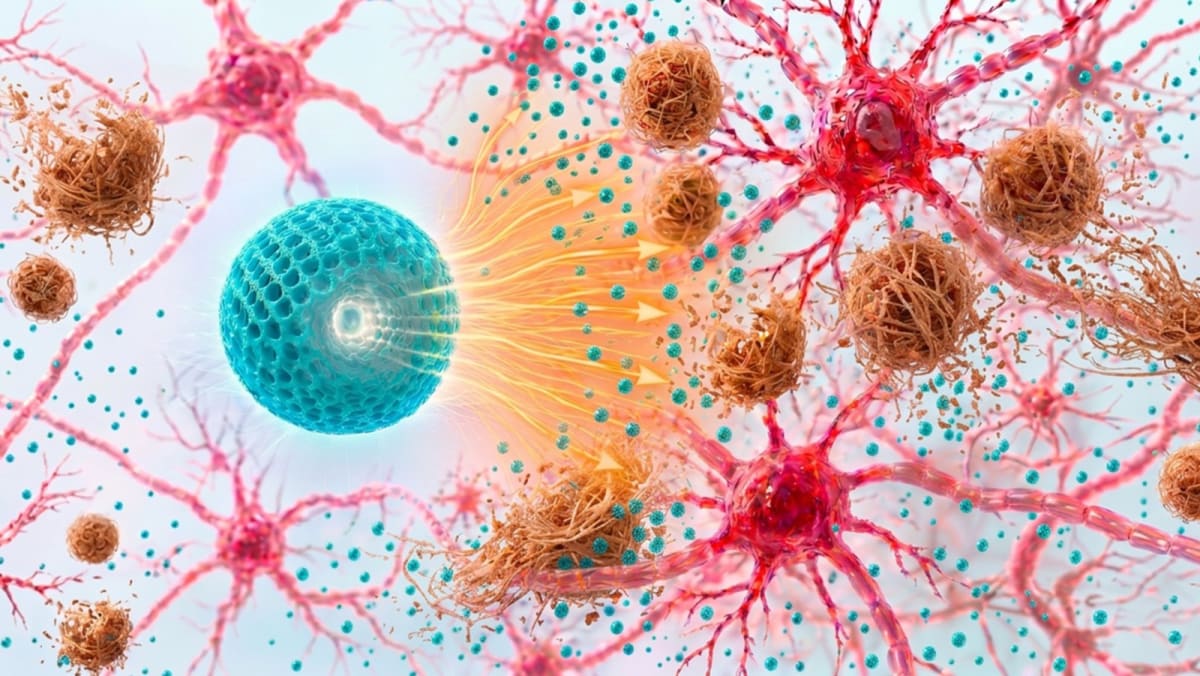
Boston-based Life Biosciences announced in June that they've treated their first patient in a clinical trial testing "partial reprogramming." The approach activates three special genes that help old cells regain youthful characteristics without losing their specialized functions.
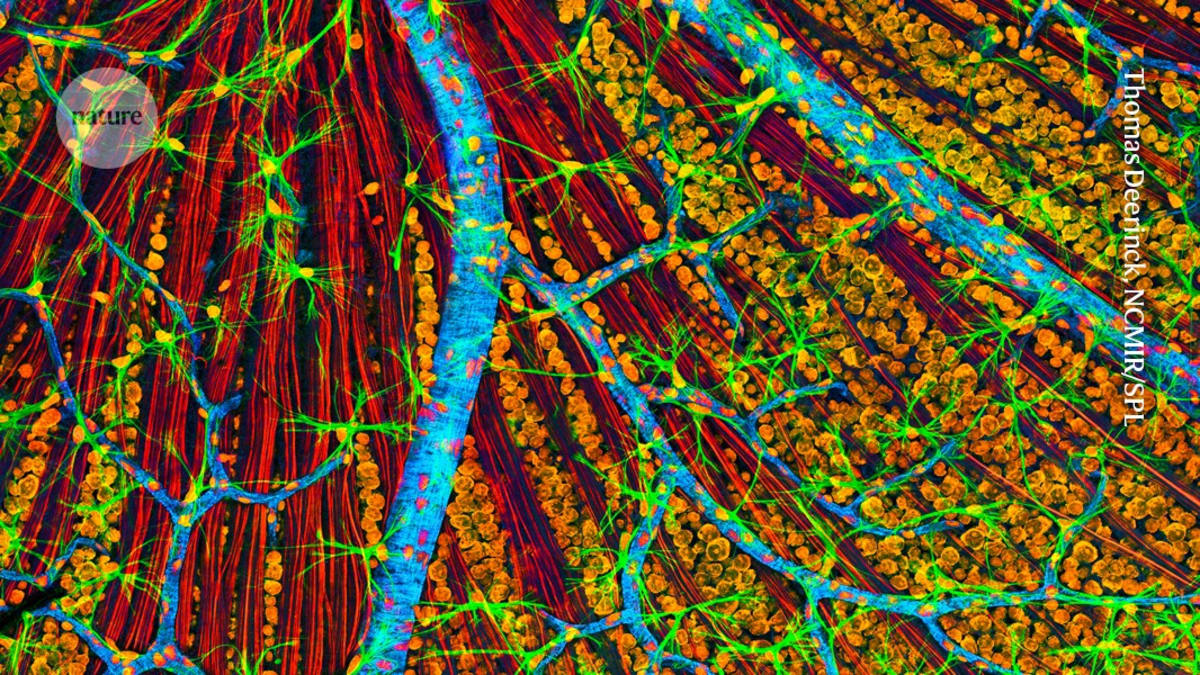
The therapy targets the optic nerve, which connects the eye to the brain and gets damaged in people with glaucoma. These neurons normally can't regenerate in adults, often leading to blindness. The treatment aims to change that by coaxing damaged neurons to repair themselves.
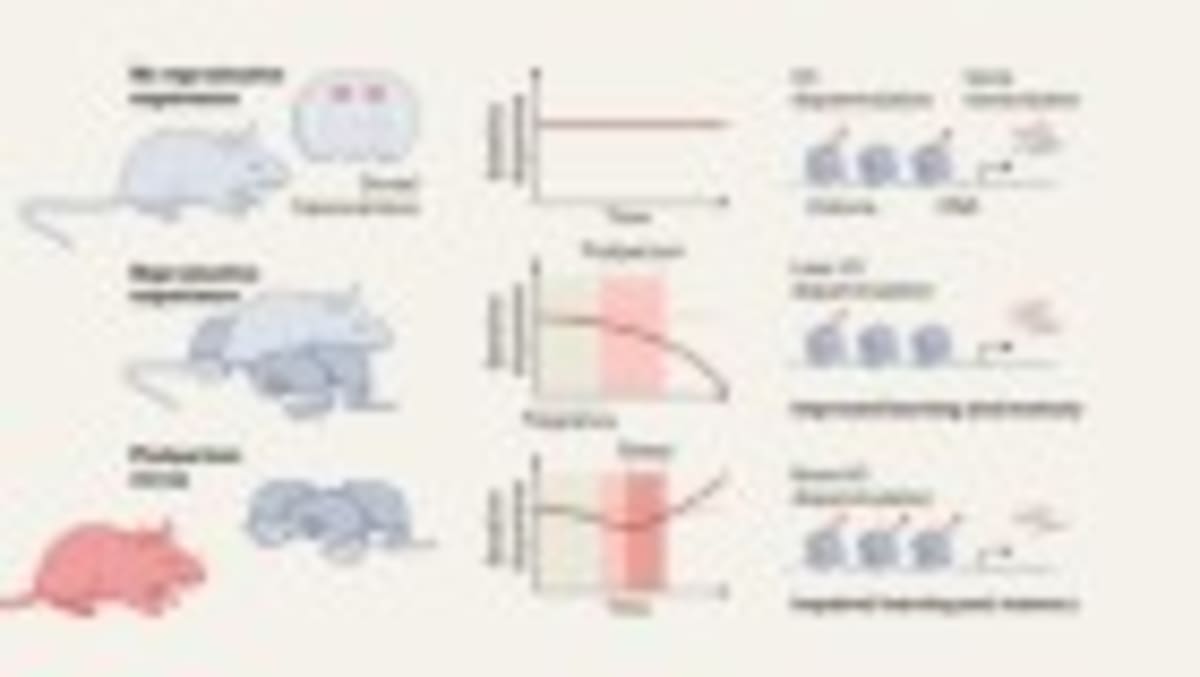
Researchers at Harvard Medical School laid the groundwork in 2020 when they reversed vision loss in aged mice and mice with glaucoma using this same three-gene approach. The mice with damaged optic nerves regrew neurons and could see better again.
Since then, Life Biosciences has tested the treatment in rodents and monkeys without seeing serious side effects, according to Sharon Rosenzweig-Lipson, the company's chief scientific officer. Those results gave researchers confidence to move forward with human trials.
Why This Inspires
The eye is actually the perfect testing ground for this revolutionary approach. If something goes wrong, the consequences are less likely to be life-threatening compared to treatments affecting other organs. That makes it a safer first step toward what could become a much bigger breakthrough.
The stakes extend far beyond vision. If partial reprogramming proves safe and effective in humans, it could eventually help rejuvenate aging organs throughout the body. Scientists are cautiously optimistic about this possibility, though they acknowledge the technology is still in its early days.
Matt Kaeberlein, co-founder of longevity company Optispan, captures both the excitement and caution surrounding this work. "Reprogramming has a big upside if it can be used safely in people," he says, while noting that potential side effects need careful monitoring.
The main concern is that reprogramming could accidentally push some cells into a cancerous state. That's why researchers are proceeding carefully, testing safety at every step before expanding to other applications.
For now, the focus remains on helping people with glaucoma keep their vision, but this first patient represents a milestone that aging researchers have been working toward for years.
More Images

Based on reporting by Nature News
This story was written by BrightWire based on verified news reports.
Spread the positivity!
Share this good news with someone who needs it