First ISS Medical Evacuation Shows Space Health Progress
After 25 years of operations, the International Space Station saw its first medical evacuation in January 2026, but the story reveals how remarkably safe space travel has become. The successful return of Crew-11 highlights decades of advances in keeping astronauts healthy hundreds of kilometers above Earth.
For the first time in a quarter century of continuous human presence in space, an astronaut needed medical evacuation from the International Space Station.
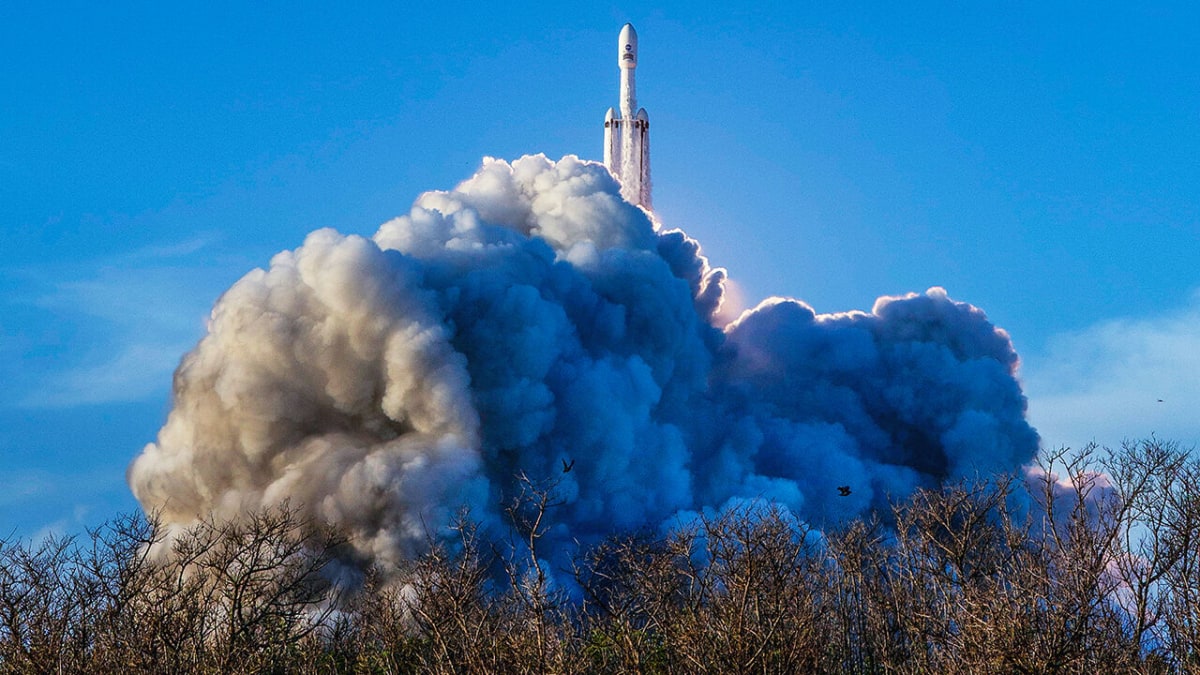
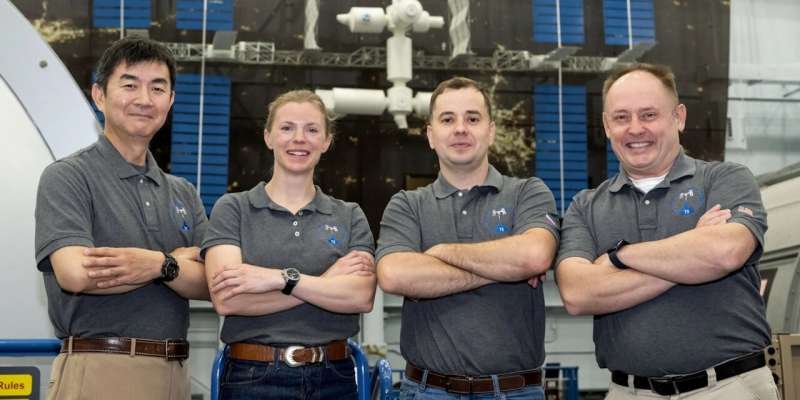
SpaceX's Dragon capsule brought the four Crew-11 astronauts safely home in early January 2026 following a medical incident. NASA hasn't disclosed details to protect the crew member's privacy, but the evacuation itself tells a powerful story about how far space medicine has come.
The fact that this is the first evacuation in 25 years is remarkable. Computer models predict a medical emergency roughly every three years on the ISS, yet serious issues requiring early return are incredibly rare in practice.
Every astronaut undergoes rigorous medical screening before selection, testing for conditions that might worsen in microgravity and evaluating psychological resilience. Once aboard, each crew has a designated medical officer who can perform examinations, administer medications, and consult with Earth-based specialists through telemedicine.
Most health issues in space are surprisingly routine. Skin irritation tops the list, occurring 25 times more frequently than on Earth due to the cold, dry spacecraft environment and limited hygiene options like wet wipes.
Many astronauts experience "space sniffles" when blood shifts toward their heads without gravity pulling it downward. Sleep disruption affects nearly everyone, as the ISS orbits Earth every 90 minutes, creating 16 sunrises and sunsets daily.
Perhaps most ironic: exercise, the main tool for protecting bones and muscles in microgravity, now causes the most injuries on the ISS. Astronauts spend two hours daily exercising to combat bone density loss of about 1% per month, but the intense workouts carry their own risks.
Space medicine continues advancing rapidly. Researchers at Northumbria University partner with NASA, the European Space Agency, and SpaceX to develop better exercise interventions and recovery protocols for longer missions.
Why This Inspires
The 2020 discovery of a blood clot in an astronaut's jugular vein shows how far telemedicine has evolved. Doctors on Earth guided treatment for over 90 days while the astronaut performed their own ultrasound scans from space. They completed their mission safely and returned home without complications.
The Crew-11 evacuation demonstrates something beautiful about space exploration today: safety comes first, always. When agencies detected a potential problem, they acted swiftly and brought the crew home successfully.
As humanity prepares for longer missions to the Moon and Mars, lessons from this evacuation will make future spacefarers even safer. Each challenge overcome in space medicine opens new possibilities for healthcare both above and below the clouds.
The successful return of Crew-11 proves that even hundreds of kilometers from the nearest hospital, astronauts can count on world-class care when they need it most.
More Images



Based on reporting by Phys.org
This story was written by BrightWire based on verified news reports.
Spread the positivity!
Share this good news with someone who needs it